Author

Thomas Williams

Advertising

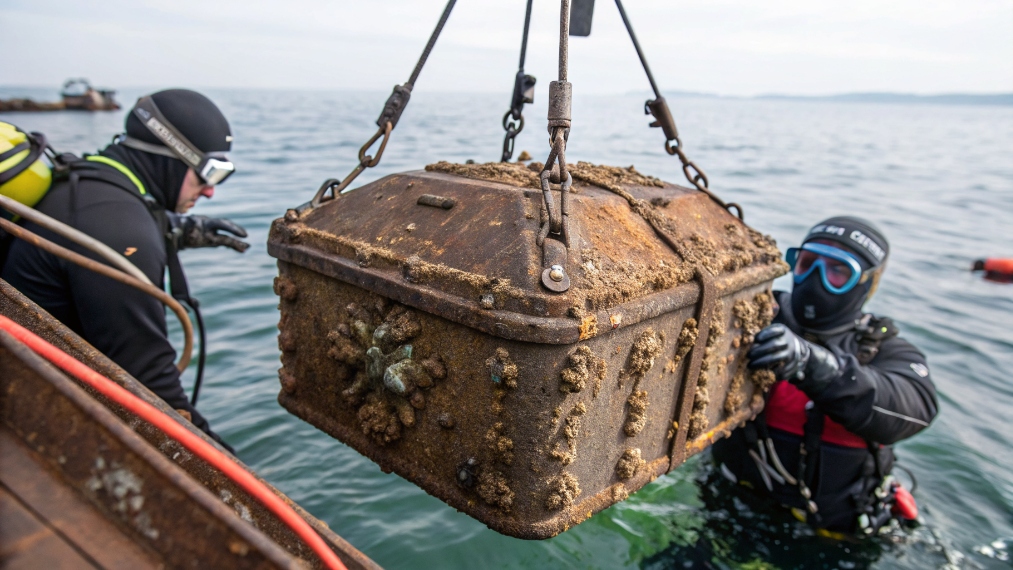
It was supposed to be a routine day on the water. For Captain Lachlan Reid and his crew aboard the fishing vessel Southern Cross, the morning off the coast of Western Australia had been quiet – until their nets snagged on something far heavier than fish.

Working the winch, the sailors assumed they had dredged up old debris. But when the net broke the surface, they realized they were looking at something extraordinary.

Wrapped in seaweed and encrusted with barnacles was a perfectly sealed, antique wooden chest. Strange symbols and faded letters were carved into its lid.

“It was like something out of a pirate movie,” Reid said. “We knew right away this wasn’t just junk.”

Back at the Fremantle Maritime Museum, conservators carefully opened the chest. Inside lay a remarkable collection.

Delicate antique jewelry sparkled despite its age – gold brooches set with amber, silver rings with intricate engravings, and a necklace of deep red garnets. Alongside were leather-bound manuscripts, handwritten in elegant cursive, appearing to be personal letters and a captain’s log.

The antiquities also included bronze figurines, a pocket watch stopped at 3:47, and a cameo portrait of an unknown woman.

Historians believe the chest may have gone overboard during a storm in the late 19th or early 20th century. The manuscripts, now being restored, may eventually reveal the story of its owner.

“We set out to catch our dinner,” Reid said with a grin. “Instead, we caught a mystery that’s been waiting a hundred years to be solved.”

The antique chest and its treasures are now on display at the Fremantle Maritime Museum.
The UK boasts one of the most diverse fitness cultures in the world. Here you’ll find everything from 24-hour discounters like PureGym and The Gym Group to exclusive clubs in central London with membership fees running into the thousands. But what distinguishes the British fitness landscape is not so much the diversity of formats as the culture that forms around them. Understanding this culture is key to finding your way in the world of fitness and staying active after a month.

Budget 24-hour gyms dominate the market. PureGym, which operates over 300 clubs nationwide, and The Gym Group, with their affordable rates (from £15-20 per month), have made fitness accessible to millions. Their model is simple: minimal staff, maximum equipment, no long-term contracts. For Brits who value flexibility and a lack of commitment, this is the ideal option. You can work out at 3 a.m. if you’re struggling with insomnia, or put your membership on hold while on vacation.

However, budget gyms have their downside. The lack of instructors on the floor and overcrowding during peak hours can demotivate newcomers. This is where an unwritten code of conduct comes into play: knowing basic etiquette becomes crucial. Wiping down the equipment after use, not using multiple pieces of equipment at once, and not spending half an hour on your phone while sitting on the bench press are not just politeness, but the foundation of survival in such a space. Violators risk the famous British passive-aggressive stare or, in the worst case, a comment in a local Facebook group.

At the opposite end of the spectrum are boutique studios. These are small, specialized gyms where group training is elevated to an art form. Barry’s Bootcamp began in London and has become a global phenomenon. Here, workouts are conducted with a light show, a trainer who acts as a motivational speaker, and cost from £20 per session. Similar formats—F45, CrossFit, 1Rebel—create a cult-like community where people know each other by name, and missing a workout creates a sense of guilt within the group.

CrossFit culture in the UK stands apart. Although it has been criticized for its injury rate, CrossFit boxes (as the gyms are called here) have created amazing communities. Unlike the anonymity of budget gyms, CrossFit offers a sense of family. Here, you’ll know the trainer personally, and other members will cheer you on during your final set, even if you’re a beginner. For many Brits, especially those moving to a new city, the CrossFit box becomes their primary social circle.

Pages: 1 2

Advertising

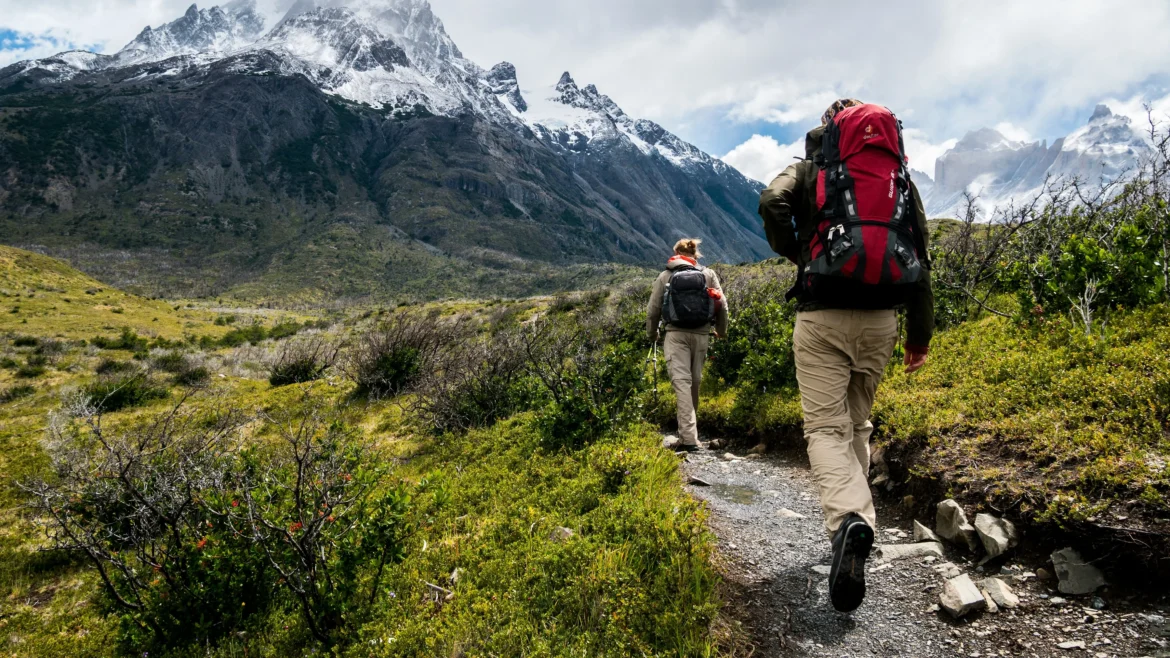
In a country where you can leave central London and find yourself among the hills of Surrey within an hour, hiking has never been exotic. But recent years have brought with them something more than just a love of the outdoors. Britain is experiencing a veritable renaissance in outdoor recreation, where hiking and wild swimming have become more than just a hobby, but a way of life, a way to rejuvenate the mind, and a form of social protest against digital overload.

The pandemic has been a catalyst. When gyms closed and international travel became impossible, millions of Britons discovered national parks and hiking trails. The Lake District, the Peak District, the Brecon Beacons, and the Scottish Highlands experienced an unprecedented influx of visitors. Many of those who first donned hiking boots in 2020 continued the practice even after restrictions were lifted. For them, hiking has become not a temporary substitute, but a permanent practice.

What makes British hiking special? Accessibility. The network of National Trails, including the legendary Pennine Way and the South West Coast Path, spans thousands of kilometers and is freely accessible. The right to roam in Scotland and a limited but important right in England and Wales creates a culture where nature belongs to everyone. For many Britons, this sense of freedom—to walk where you want, without fences or restrictions—is a core value.

Wild swimming, which often goes hand in hand with hiking, has experienced an equally dramatic rise. Swimming in lakes, rivers, and even the sea at any time of year has become a symbol of a return to the elements. Social media groups like Bluetits Chill Swimmers unite thousands of people across the country, who meet at dawn to plunge into icy water and drink hot tea on the shore. Paradoxically, cold water has proven to be a powerful antidepressant: scientific studies confirm its ability to reduce cortisol levels and increase dopamine production.

Pages: 1 2

Just ten years ago, the word “stretching” conjured up images of athletes frozen in static poses after a run. Today, things are different. Stretching has become a discipline in its own right, and flexibility is one of the most coveted physical characteristics for Britons of all ages. From classes in specialized studios to morning routines on Instagram, stretching has become more than just a supplement to exercise, but the foundation of a new approach to health and longevity.

This shift stems from the recognition that our bodies are not designed for the modern lifestyle. Britons spend an average of 9-10 hours a day sedentary: working at a computer, commuting in a car or train, or spending an evening in front of the TV. This leads to chronic shortening of certain muscle groups (hip flexors, pectorals) and weakening of others. Traditional weight training or cardio doesn’t solve this problem and sometimes exacerbates it by reinforcing incorrect movement patterns.

This is where modern stretching systems come into play. Techniques like Stretch Therapy, Fascial Stretch Therapy, and functional stretching differ from school PE. They don’t require “tolerating pain” or attempting to overstretch muscles at any cost. Instead, they work with the fascia—the connective tissue that spans the entire body—and the nervous system, which often blocks movement due to stress or poor posture.

London has become one of the epicenters of the boom in specialized stretching studios. Places like Stretchology, The Stretch Clinic, and Flex Chelsea offer one-on-one sessions with a professional stretcher. The price of this pleasure—from £50 to £90 per session—doesn’t deter those who come with specific problems, such as chronic back pain, injury recovery, or a desire to improve athletic performance. Demand is so high that sessions are booked weeks in advance.

Pages: 1 2

Advertising

If you haven’t been to the UK in the last couple of years, you might not know what padel is. If you have, you’ve already noticed: glass-walled courts are springing up all over the country, from central London to small towns in Yorkshire, and queues for games book out weeks in advance. Padel is a sport that combines elements of tennis and squash, and in just a few years, it has transformed from an exotic pastime into one of Britain’s fastest-growing activities. And that’s just the beginning.

What is padel? The game is played on a court about a third the size of a tennis court, surrounded by glass walls and a metal net. The serve is underhand, the ball can bounce off the walls, like in squash, and the rackets—hard and perforated—are unstrung. Scoring is the same as in tennis, but the game is played exclusively in doubles. It’s the doubles format that makes padel a social sport: you don’t just play, you interact, communicate, and experience every point together.

The reasons for the padel boom in the UK are obvious. Firstly, it’s incredibly accessible for beginners. Unlike tennis, where you need months to learn your serve, you can start playing padel in the first hour, enjoying the fun and exchanging hits. Secondly, it’s a low-impact sport. The ball is slower than a tennis ball, and the smaller court reduces the stress on joints, making padel ideal for those who have given up running or tennis due to knee or back pain.

British infrastructure has responded to demand with lightning speed. The Padel Social Club, Rocks Lane, and other commercial operators are opening dozens of new courts. Even giants like David Lloyd and Virgin Active are renovating their clubs to add padel courts. In London, the number of courts has tripled in the last two years alone, and yet finding a slot in the evening or on the weekend is still a challenge. Demand outstrips supply, and this is the best indicator that padel is here to stay.

Professional athletes and celebrities have played a special role in popularizing padel. When Andy Murray, a national hero of British tennis, began actively playing padel and even invested in court construction, it became a signal for the entire country. He was joined by footballers, actors, and influencers, who share videos of their games on social media. Padel has become not just a sport, but a fashionable lifestyle, a place for meeting and networking.

Pages: 1 2

Saturday mornings in the UK are no longer associated solely with a leisurely breakfast and reading the newspaper. For hundreds of thousands of Britons, it begins with a 5k run that has transformed the very concept of mass exercise. Parkrun is a free, weekly event that began in 2004 in London’s Bush Park with a handful of enthusiasts and has grown into a global movement spanning over 20 countries. In the UK itself, over 300,000 people take part in the run every Saturday, and this number continues to grow, making Parkrun one of the most significant social phenomena in modern Britain.

The secret to Parkrun’s popularity lies in its radical accessibility. There are no selection criteria, no entry fees, no distinction between “athletes” and “everyone else.” An elite marathon runner, an eight-year-old with her parents, a grandmother with her dog, and a person putting on running shoes for the first time can all run on the same route. Each participant receives a personal barcode, and their time is recorded down to the second, but the most important thing is not the result, but the participation. The volunteers who manage each run are also ordinary participants, creating a wonderful atmosphere of mutual support.

For British culture, where social isolation is becoming an increasingly visible problem, Parkrun serves a crucial function: it brings people together. In an age when we spend more and more time in front of screens, the Saturday run becomes a ritual of in-person social interaction. Research shows that participating in Parkrun significantly increases happiness and reduces feelings of loneliness. Many participants admit that they initially came for the running, but stayed for the community—for that “well done” greeting from a stranger at the finish line.

The COVID-19 pandemic temporarily halted Parkrun, but it has demonstrated its importance. When parkruns resumed, the queues for the start were longer than ever. Organizers note that after lockdowns, people appreciated the opportunity to come together even more. Moreover, Parkrun has become a bridge back to active life for many after illness, periods of isolation, and even injuries. The system allows people to start as volunteers or parkwalkers, gradually regaining their confidence.

The variety of routes is another reason why Brits love Parkrun. Whether it’s a picturesque park in central London, a promenade on the Cornish coast, or a forest trail near Manchester, each run is unique. Participants collect routes like postage stamps, eager to visit different locations. There’s even an unofficial “Pirate Parkrunner” club for those who have completed 100 different Parkruns, an achievement as valuable as a marathon medal.

Pages: 1 2

Advertising

Every year, not only legal goods and tourists cross the UK’s borders, but also illegal cargo worth billions. The illegal wildlife trade is the fourth-largest international criminal enterprise after arms, drugs, and human trafficking, generating up to £17 billion annually. In response to this threat, the UK Border Force is conducting large-scale operations, and the results of the latest raids are shocking even seasoned experts.

During the annual international Operation Thunder, organized jointly with Interpol and the World Customs Organization, UK border guards seized more than 250 endangered species and illegal wildlife products. Compared to 2023, the number of seizures has increased by 73%. The seizures included live snakes, tarantulas, lovebirds, as well as ivory items, tiger claws, and even shark jaws.

One of the most egregious operations was carried out in Dover, where officers discovered two rainbow boas hidden under blankets in a car. The driver had purchased them at a German reptile exhibition without the necessary licenses. In another case, a car containing over 100 rare birds, including scarlet ibises, green-cheeked conures, and lovebirds, was intercepted at the border in appallingly unsanitary conditions. Some of the birds have already died.

The sharp increase in spider smuggling is particularly alarming. In one case alone, Border Force intercepted a car carrying over 2,000 live tarantulas from Europe. The shipment was valued at approximately £70,000, with over 300 spiders belonging to protected species requiring special permits for transportation. Adult tarantulas can sell on the black market for between £50 and £500 each, depending on the species.

British Border Force not only intercepts shipments but also conducts intelligence work. The specialized CITES (Convention on International Trade in Endangered Species) team at Heathrow Airport is recognized as a world leader in detecting and seizing illegal wildlife products. Officers are increasingly using an intelligence-based approach, sharing information with international partners and tracking entire criminal networks.

Migration and Citizenship Minister Mike Tapp emphasized the seriousness of the situation: “Wildlife smuggling is a serious, organized crime. “It fuels corruption, drives species to extinction, and undermines our border security.” His DEFRA colleague, Mary Creagh, added: “The illegal wildlife trade is a despicable business that destroys the natural world. By tackling this crime, we send a clear message to criminal gangs.”

Pages: 1 2

The UK boasts not only a long history and picturesque landscapes, but also amazing animals whose sizes and characteristics have earned them a place in the Guinness Book of Records. These living legends live among us, and their stories deserve a special telling. Meet Derrick and Bambu, two donkeys from Lincolnshire who have become true international stars. They live at the Radcliffe Donkey Sanctuary in Huttoft, which has been caring for dozens of rescued animals since 1999.

At an incredible 167 centimeters tall, Derrick is officially recognized as the tallest donkey in the world. This is 20 centimeters taller than the average for his species. Sanctuary owner Tracy Garton smiles as she explains that no one believes Derrick is a donkey: “Everyone thinks he’s a mule, he’s that big.” Despite his enormous size, Derrick is known as a “gentle giant”—affectionate, sociable, and, as it turns out, with an extreme sweet tooth, especially gingerbread cookies. He eats up to 200 kilograms of hay a week.

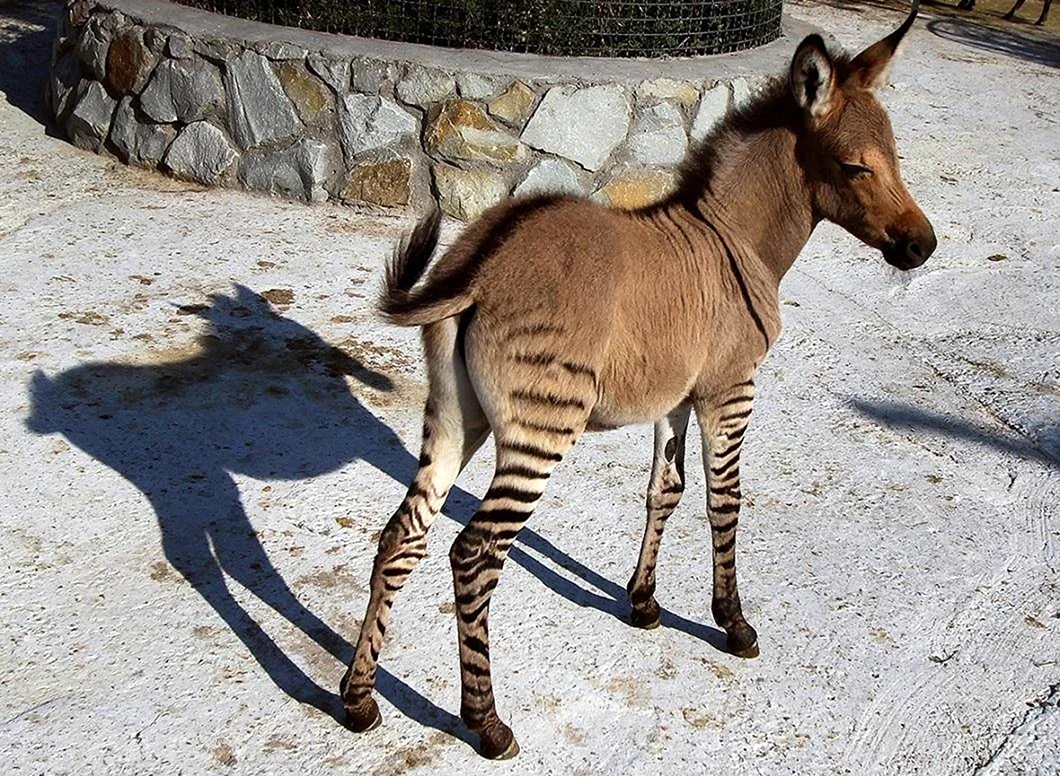
Derrick’s stallmate, the charming Bambu, earned his title for having the longest ears. At 35 centimeters long, he’s a favorite among visitors to the sanctuary. Volunteers say Bambu is the most popular pet, with guests constantly asking about him. His long ears aren’t just decorative; they also serve an important function: they help regulate his body temperature and detect sounds. Tracy Garton humorously notes that sometimes it seems as if he can’t hear anything even with his ears so long. The sanctuary staff’s joy at having two of their charges included in the 2026 Guinness Book of World Records is hard to overstate. “It’s fantastic,” they say. “We’re delighted that Derrick and Bambu’s popularity will help more people learn about our sanctuary and help other animals.” Radcliffe Donkey Sanctuary, which relies on donkeys, cares not only for donkeys but also for mules and even rare zebra-donkey hybrids called zonkeys. Visitors can meet the record-breakers in person, treat them to carrots, or even symbolically “adopt” one.

But Britain is famous for more than just the tallest donkeys and longest ears. In 2024, a creature dubbed a “mermaid” by locals was discovered on the Norfolk coast. While walking along Clay Beach, 29-year-old Katherine Sabbarton-Wright stumbled upon something unusual: a creature with a furry body, a dog-like head, strikingly sharp teeth, and fins. It was the size of a large deer or a small cow.

Pages: 1 2

Advertising

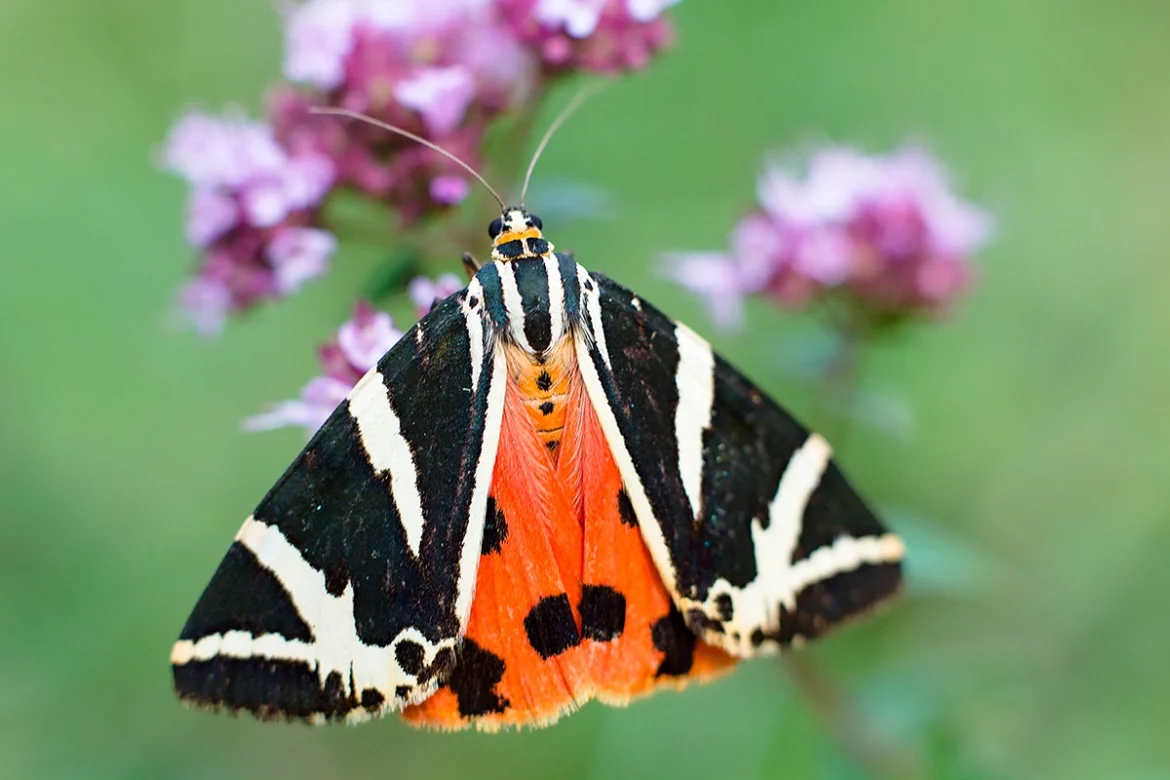
Butterflies are more than just a decorative feature of British meadows and gardens. They serve as indicators of the health of our environment, and their alarming state points to a profound crisis. According to the latest analysis, published in 2022, half of all butterfly species native to the UK are listed as endangered. Twenty-four species are listed as “near threatened,” and eight are considered endangered. Four species have already completely disappeared from the British Isles: the hawthorn butterfly, the gypsy moth, the gypsy moth, and the wood blue.

A study conducted by Butterfly Conservation using data from the UK Butterfly Monitoring Programme revealed an alarming trend. Dr. Richard Fox, the organization’s head of science, is concerned: “Amazingly, half of Britain’s remaining butterfly species are classified as threatened or near threatened.” He notes that British butterflies have long been among the most vulnerable in Europe, and now the number of threatened species has increased by five more.

Among those whose status has worsened most dramatically are the marsh fawn and the pine satyr, which have been downgraded from vulnerable to endangered. The swallowtail, a famous large butterfly with striking black and yellow wings, and the blue butterfly have also seen their threat status increased. The reasons for this include habitat loss due to intensive agriculture, the drainage of wetlands, poor forest management, and, increasingly, climate change, which is disrupting the life cycles of these insects.

However, the history of British butterflies is not only a story of loss but also a story of hope, where focused efforts yield impressive results. The most striking example is the Large Blue. This species became completely extinct in the UK in 1979, becoming a symbol of conservation failure. But scientists did not give up. After decades of research that uncovered the species’ complex life strategy (larvae parasitize a specific species of ant), a large-scale reintroduction program was launched. And the result exceeded all expectations: today, the Large Blue has not only been restored, but has been downgraded from “endangered” to “near threatened.”

Pages: 1 2

Ask any Brit what animals live only on our soil, and you’ll likely get a confused shrug in response. It was long believed that Britain had almost no endemic species—species found nowhere else on the planet. However, recent research has upended this notion. According to data compiled by the conservation organization Buglife and popularized in James Harding-Morris’s book “Endemic,” the British Isles are home to over 700 species and at least 100 subspecies found nowhere else on Earth. These are our unique treasures, for which we bear full global responsibility.

Among these endemics are true gems, hidden in the most unexpected places. Take, for example, the Celtic woodlouse (Metatrichoniscoides celticus)—a tiny creature measuring just 2.5 millimeters, with an iridescent pearly white body. It can be found turning over coastal rocks in Wales and the western outskirts of England. Discovered only in the 1980s, this woodlouse remains virtually unknown to the general public, despite its existence being a unique chapter in the biology of the British Isles.

An even more fantastical creature is the Chater’s bristletail (Dilta chateri), named after the scientist who first described it in the 1990s. This iridescent, alien-like creature has an astonishing ability to leap. It can be found in damp fern forests, where it leads a secretive life. Like many endemic species, it has no close relatives in neighboring territories and is the result of millions of years of isolation within the British Isles.

The story of Lundy Island in Devon deserves special mention. It is the only place in the world where one can observe a rare example of “coendemism”—when an endemic animal species exists solely thanks to an endemic plant. The Lundy cabbage flea beetle (Psylliodes luridipennis) spends its entire life on Lundy cabbage, a plant also found nowhere else. This delicate balance, where the fate of beetle and plant are inextricably linked, serves as the perfect metaphor for the fragility of our entire unique ecosystem.

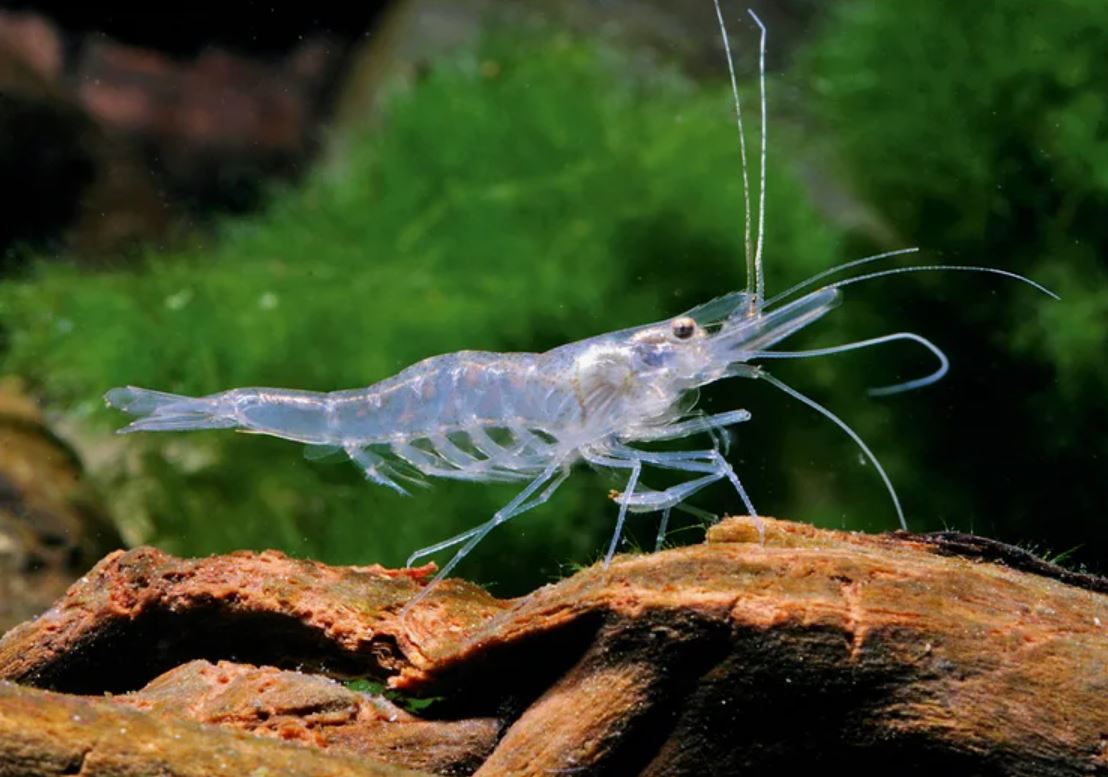
But perhaps the most astonishing discovery of recent years is the British cave shrimp (Niphargus glenniei). A blind, ghostly-pale creature that inhabits damp rock crevices and temporary pools in dank caves. She never saw sunlight and adapted to life in complete darkness, rendering her eyes useless. James Harding-Morris, author of a book on endemic species, admits that these shrimp are his personal favorites, and he was willing to crawl through tight, muddy tunnels just to encounter them.

Pages: 1 2

Advertising

Newer Posts

Advertising