Category:

Tourism

Advertising

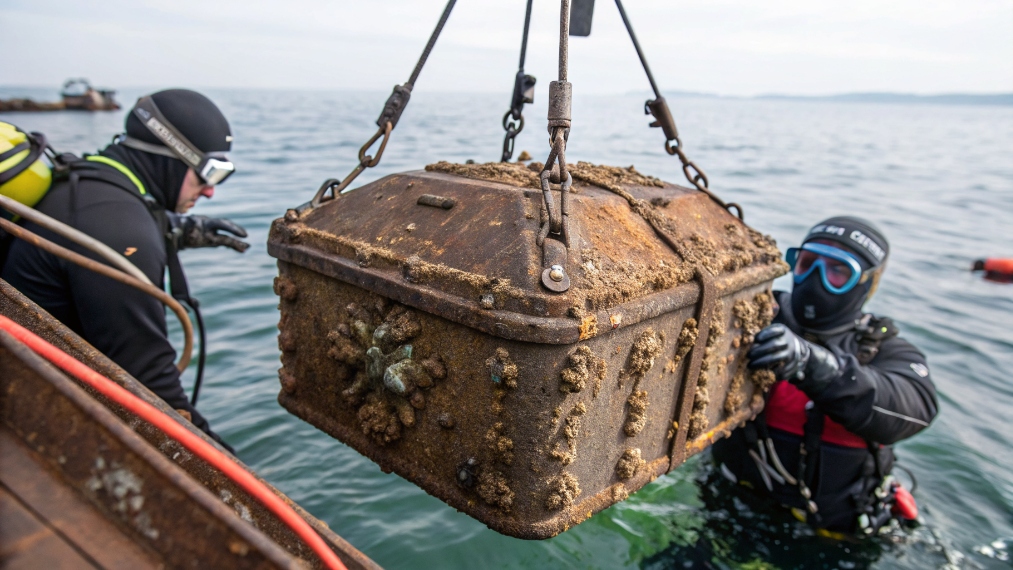
It was supposed to be a routine day on the water. For Captain Lachlan Reid and his crew aboard the fishing vessel Southern Cross, the morning off the coast of Western Australia had been quiet – until their nets snagged on something far heavier than fish.

Working the winch, the sailors assumed they had dredged up old debris. But when the net broke the surface, they realized they were looking at something extraordinary.

Wrapped in seaweed and encrusted with barnacles was a perfectly sealed, antique wooden chest. Strange symbols and faded letters were carved into its lid.

“It was like something out of a pirate movie,” Reid said. “We knew right away this wasn’t just junk.”

Back at the Fremantle Maritime Museum, conservators carefully opened the chest. Inside lay a remarkable collection.

Delicate antique jewelry sparkled despite its age – gold brooches set with amber, silver rings with intricate engravings, and a necklace of deep red garnets. Alongside were leather-bound manuscripts, handwritten in elegant cursive, appearing to be personal letters and a captain’s log.

The antiquities also included bronze figurines, a pocket watch stopped at 3:47, and a cameo portrait of an unknown woman.

Historians believe the chest may have gone overboard during a storm in the late 19th or early 20th century. The manuscripts, now being restored, may eventually reveal the story of its owner.

“We set out to catch our dinner,” Reid said with a grin. “Instead, we caught a mystery that’s been waiting a hundred years to be solved.”

The antique chest and its treasures are now on display at the Fremantle Maritime Museum.

Traveling has become more expensive, but that doesn’t mean you should give it up. Experienced British travelers know that the right tools and habits can cut travel costs by 30-50% without sacrificing quality. It’s not about slashing costs on everything, but rather stopping overpaying for things you can get for less or even for free. We’ve compiled a collection of proven life hacks that work whether you’re flying to Europe, Asia, or staying within the country.

Let’s start with airfare—the biggest expense. The main rule: never search for tickets on Friday evenings or Sundays—airline algorithms raise prices on these days. The best time to search is Tuesday or Wednesday around 3 a.m. UK time, when systems update fares. Use incognito mode or clear your browser cache—many websites increase prices on repeat visits. Subscribing to airline newsletters (especially Ryanair, easyJet, Jet2, and Wizz Air) allows you to learn about sales several hours before they’re reported in the media.

Flexibility with your departure airports can yield huge savings. If you live in London, don’t limit yourself to Heathrow and Gatwick—check Stansted, Luton, and even Southend. The price difference for the same flight can be £100–£150. For those living in other regions, consider flying from Birmingham, Bristol, Manchester, or Edinburgh, and consider low-cost carriers that frequently fly from secondary airports. Sites like Skyscanner allow you to search “everywhere”—this can help you find surprisingly cheap tickets to destinations you might not have considered before.

Accommodation is the next big thing. Booking platforms (Booking, Airbnb) often show different prices depending on your device. Try searching on your computer, phone, and tablet—sometimes mobile users find lower prices. It’s also worth booking directly with the hotel: many small guesthouses offer a 5-10% discount for waiving intermediary fees. For longer stays (28 days or more), Airbnb and Booking automatically apply significant discounts, and you can negotiate further price reductions with the host, especially during low season.

Pages: 1 2

Advertising

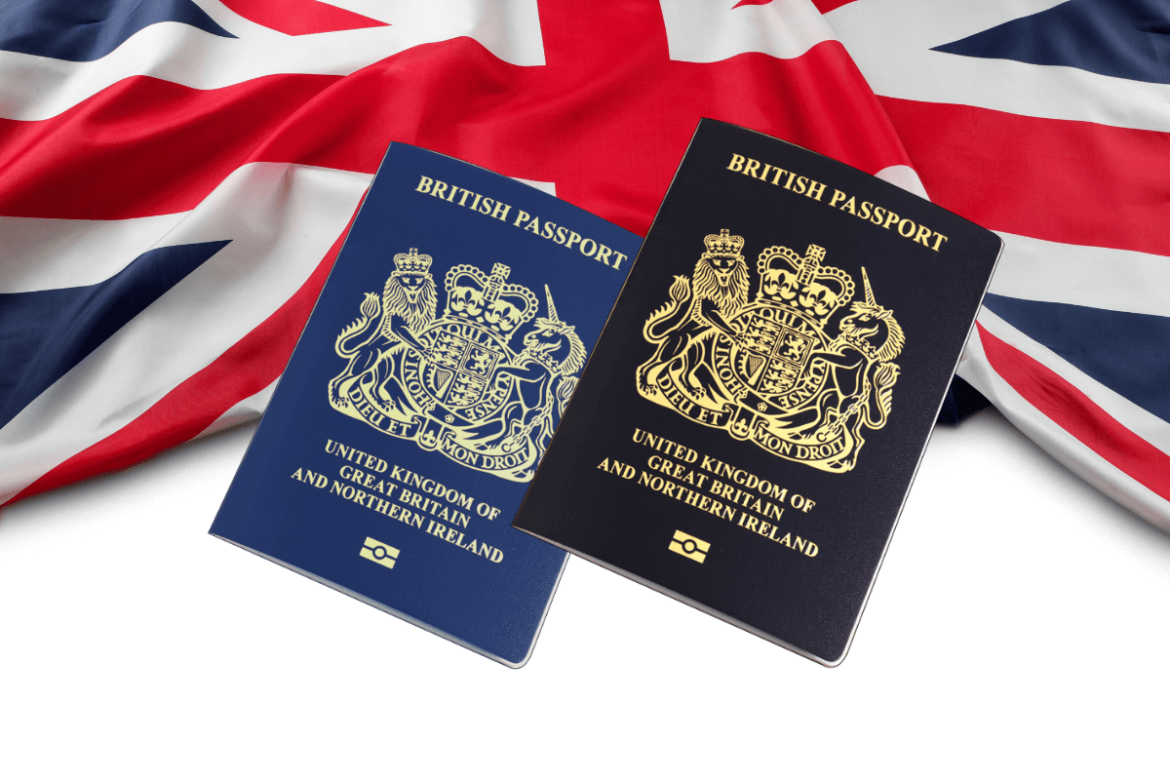
Since the UK’s exit from the European Union, border crossing rules for British citizens have changed dramatically, and many of these changes still cause confusion. The most important thing to understand is that the British passport remains one of the most powerful in the world in terms of visa-free travel, but its use now requires greater attention to detail. Passport validity has become critical: for travel to EU countries, as well as Iceland, Norway, and Switzerland, a passport must be issued no more than 10 years ago on the date of entry and be valid for at least three months beyond the intended date of departure. Many British citizens have already been denied boarding because their passports, while technically valid, did not comply with these new rules.

The Schengen Area, as mentioned earlier, allows British citizens to stay for up to 90 days in any 180-day period. This rule applies to the total stay in all Schengen countries, and it’s best to track it using the official calculator on the European Commission website. A common mistake is to assume that the 90 days reset after leaving one country, but in fact, the countdown is staggered. Those planning long trips or working remotely often use the “three months in Schengen, then three months outside” strategy—for example, in Croatia (which joined Schengen in 2023, but the rules remain the same for British citizens), the Balkans, or Turkey.

For those who want to travel longer or more frequently, there are national visas for individual countries. For example, France and Spain issue long-term tourist visas (visa de long séjour or national visa), allowing stays of more than 90 days, but these require submission of documents to the consulate and often proof of financial solvency. Another option is residency in an EU country, which can be obtained through owning property, working remotely, or studying. Such programs are becoming increasingly popular among many British retirees and digital nomads.

Pages: 1 2

Domestic tourism in the UK is experiencing a veritable renaissance. Since the pandemic, millions of Britons have rediscovered the beauty of Cornwall, the Scottish Highlands, and the Welsh national parks. But along with popularity, prices have also risen: finding accommodation in St. Ives or Lake Windermere without breaking the bank in the summer has become a real quest. However, it’s possible to travel the UK without breaking the bank—all you need to know are a few tried-and-true life hacks and be prepared for seasonal flexibility.

One of the biggest mistakes is booking accommodation during peak season. School holidays, bank holidays, and August in general make the Dorset and Cornwall coastlines a hotspot. If you can shift your trip to May, September, or even October, you’ll not only save 30-50% on accommodation but also find less crowded beaches and trails. Indian summer in Britain has become increasingly predictable in recent years, and September often offers weather just as good as July.

An alternative to traditional hotels and Airbnbs are campsites and glamping sites. The Camping and Caravanning Club network and independent farm campsites offer pitches for £15-25 per night per tent, often with excellent amenities. For those who aren’t comfortable sleeping on the ground, glamping sites—yurts, dome tents, or converted caravans—are popular. They offer a sense of privacy and are often located in picturesque locations away from the crowds. Many such sites are booked through platforms like Cool Camping or Canopy & Stars.

Another way to drastically reduce costs is to use public transport instead of driving. Train tickets in Britain are notoriously expensive, but there are ways to reduce them. Split ticketing—buying multiple tickets for different sections of your journey instead of a single through ticket—can save you up to 50%. Websites like TrainSplit do this automatically. Additionally, the Two Together Railcard or Network Railcard (for the southeast) pays for itself after just one trip.

For trips to remote regions, such as the Northwest Highlands of Scotland or the Outer Hebrides, it’s worth combining train and ferry. Caledonian MacBrayne (CalMac) package deals allow you to combine ferry and bus travel, and sometimes even accommodation, for a lower price than booking separately. For the Isles of Sealy and Jersey, keep an eye on ferry operator sales—tickets purchased two to three months in advance can be two to three times cheaper than last-minute deals.

Pages: 1 2

Advertising

After several years of the pound’s exchange rate causing anxiety among travelers, the currency market situation has opened up new opportunities for those willing to venture further afield. There are a number of destinations where the British pound now has strong purchasing power, while the quality of life, natural beauty, and service remain top-notch. The key is to know where to look and budget wisely. It’s not about compromise, but about wisely using exchange rate differences.

Turkey is a classic example. In recent years, the lira has weakened significantly against the pound, and even premium hotels in Antalya or Bodrum offer attractive prices in sterling. But the real winners are those willing to explore the country on their own: domestic flights are a steal, meals in traditional lokanta (canteens) cost £3-5, and entrance fees to Ephesus or Cappadocia are several times cheaper than similar European attractions. Plus, in 2024, Turkey simplified the e-visa process for British citizens, which can be processed online in just a couple of minutes.

Egypt, especially Hurghada and Sharm el-Sheikh, also remains a budget favorite. Package tours from Manchester or Gatwick are often cheaper than independent accommodation in Europe, especially if booked all-inclusive. But independent travelers can also save money: local food (foul, kush), taxis through apps like Uber, and small guesthouses in Luxor or Aswan can all cost around £30–40 per person per day. Just be sure to have some cash in pounds or dollars, as local ATMs may charge a commission.

South Africa is another option, where the weak rand makes vacations surprisingly affordable. Safaris in national parks like Kruger can be organized independently, renting a budget car and staying in campsites within the park. The wine regions around Cape Town offer world-class tastings for the price of a cup of coffee in London. British Airways and Virgin Atlantic also frequently offer sales on flights to Johannesburg and Cape Town, and connecting flights via Istanbul or Doha can save up to 40% on direct tickets.

Pages: 1 2

For millions of UK residents, short European trips have long been part of their lifestyle: flying from Gatwick or Stansted to Barcelona, ​​Prague, or Amsterdam on Friday evening and returning on Sunday is a familiar ritual. However, after the end of the transition period, the rules changed, and now even a casual weekend in Paris requires understanding the new visa regulations. The good news: Britons still don’t need a visa to enter Schengen countries for short-term tourist trips (up to 90 days within any 180-day period). However, the number of days is now strictly limited, and accidentally exceeding the limit is easier than it seems—especially if you like to combine trips to Spain, Italy, and Greece.

From 2024, the entry process into the EU for Britons will become more formalized. Border guards can now stamp passports to record entry and exit dates, and any overstay can result not only in a fine but also in a future entry ban. This means it’s important to plan your trips in advance using simple Schengen day calculators—they’re easily found on websites like Schengen Visa Info. For those who travel frequently or combine travel with work, careful record-keeping has become an essential skill, just like finding cheap tickets.

The implementation of the European Entry-Exit System (EES) and the European Travel Authorization System (ETIAS) is on the horizon. EES will replace manual stamps with biometric registration, and ETIAS, expected to launch soon, will require Britons to complete an online form and pay a small fee (approximately €7) before traveling. This isn’t a visa, but a simplified permit valid for three years, but it will need to be obtained in advance—adding another step to the usual ticket booking process. Until the system is implemented, Britons continue to travel without it, but it’s worth keeping an eye on official announcements to avoid landing at the plane’s steps without the necessary documentation.

Despite bureaucratic changes, European destinations remain incredibly attractive from a budget perspective. Low-cost carriers like Ryanair, easyJet, and Jet2 continue to expand their route networks, and with the right tactics, you can fly to Krakow or Porto for £20-30 roundtrip. The secret is flexibility: subscribing to airline newsletters, using incognito mode when searching, and being prepared to fly from regional airports (Leeds, Bristol, Edinburgh) often yield prices significantly lower than from capital hubs.

Pages: 1 2

Advertising

Advertising