
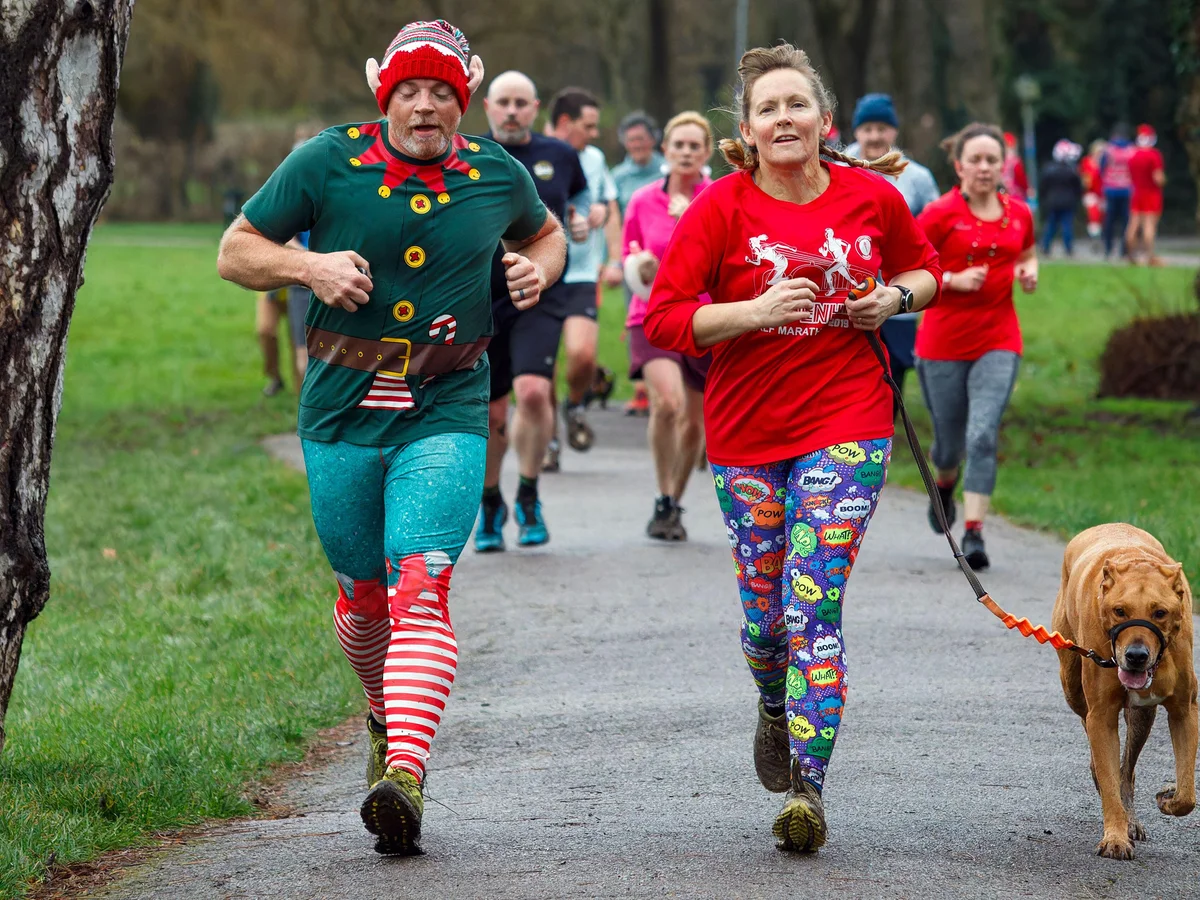
Saturday mornings in the UK are no longer associated solely with a leisurely breakfast and reading the newspaper. For hundreds of thousands of Britons, it begins with a 5k run that has transformed the very concept of mass exercise. Parkrun is a free, weekly event that began in 2004 in London’s Bush Park with a handful of enthusiasts and has grown into a global movement spanning over 20 countries. In the UK itself, over 300,000 people take part in the run every Saturday, and this number continues to grow, making Parkrun one of the most significant social phenomena in modern Britain.
Advertising
The secret to Parkrun’s popularity lies in its radical accessibility. There are no selection criteria, no entry fees, no distinction between “athletes” and “everyone else.” An elite marathon runner, an eight-year-old with her parents, a grandmother with her dog, and a person putting on running shoes for the first time can all run on the same route. Each participant receives a personal barcode, and their time is recorded down to the second, but the most important thing is not the result, but the participation. The volunteers who manage each run are also ordinary participants, creating a wonderful atmosphere of mutual support.
For British culture, where social isolation is becoming an increasingly visible problem, Parkrun serves a crucial function: it brings people together. In an age when we spend more and more time in front of screens, the Saturday run becomes a ritual of in-person social interaction. Research shows that participating in Parkrun significantly increases happiness and reduces feelings of loneliness. Many participants admit that they initially came for the running, but stayed for the community—for that “well done” greeting from a stranger at the finish line.
The COVID-19 pandemic temporarily halted Parkrun, but it has demonstrated its importance. When parkruns resumed, the queues for the start were longer than ever. Organizers note that after lockdowns, people appreciated the opportunity to come together even more. Moreover, Parkrun has become a bridge back to active life for many after illness, periods of isolation, and even injuries. The system allows people to start as volunteers or parkwalkers, gradually regaining their confidence.
The variety of routes is another reason why Brits love Parkrun. Whether it’s a picturesque park in central London, a promenade on the Cornish coast, or a forest trail near Manchester, each run is unique. Participants collect routes like postage stamps, eager to visit different locations. There’s even an unofficial “Pirate Parkrunner” club for those who have completed 100 different Parkruns, an achievement as valuable as a marathon medal.