Category:

Sports

Advertising

The UK boasts one of the most diverse fitness cultures in the world. Here you’ll find everything from 24-hour discounters like PureGym and The Gym Group to exclusive clubs in central London with membership fees running into the thousands. But what distinguishes the British fitness landscape is not so much the diversity of formats as the culture that forms around them. Understanding this culture is key to finding your way in the world of fitness and staying active after a month.

Budget 24-hour gyms dominate the market. PureGym, which operates over 300 clubs nationwide, and The Gym Group, with their affordable rates (from £15-20 per month), have made fitness accessible to millions. Their model is simple: minimal staff, maximum equipment, no long-term contracts. For Brits who value flexibility and a lack of commitment, this is the ideal option. You can work out at 3 a.m. if you’re struggling with insomnia, or put your membership on hold while on vacation.

However, budget gyms have their downside. The lack of instructors on the floor and overcrowding during peak hours can demotivate newcomers. This is where an unwritten code of conduct comes into play: knowing basic etiquette becomes crucial. Wiping down the equipment after use, not using multiple pieces of equipment at once, and not spending half an hour on your phone while sitting on the bench press are not just politeness, but the foundation of survival in such a space. Violators risk the famous British passive-aggressive stare or, in the worst case, a comment in a local Facebook group.

At the opposite end of the spectrum are boutique studios. These are small, specialized gyms where group training is elevated to an art form. Barry’s Bootcamp began in London and has become a global phenomenon. Here, workouts are conducted with a light show, a trainer who acts as a motivational speaker, and cost from £20 per session. Similar formats—F45, CrossFit, 1Rebel—create a cult-like community where people know each other by name, and missing a workout creates a sense of guilt within the group.

CrossFit culture in the UK stands apart. Although it has been criticized for its injury rate, CrossFit boxes (as the gyms are called here) have created amazing communities. Unlike the anonymity of budget gyms, CrossFit offers a sense of family. Here, you’ll know the trainer personally, and other members will cheer you on during your final set, even if you’re a beginner. For many Brits, especially those moving to a new city, the CrossFit box becomes their primary social circle.

Pages: 1 2

In a country where you can leave central London and find yourself among the hills of Surrey within an hour, hiking has never been exotic. But recent years have brought with them something more than just a love of the outdoors. Britain is experiencing a veritable renaissance in outdoor recreation, where hiking and wild swimming have become more than just a hobby, but a way of life, a way to rejuvenate the mind, and a form of social protest against digital overload.

The pandemic has been a catalyst. When gyms closed and international travel became impossible, millions of Britons discovered national parks and hiking trails. The Lake District, the Peak District, the Brecon Beacons, and the Scottish Highlands experienced an unprecedented influx of visitors. Many of those who first donned hiking boots in 2020 continued the practice even after restrictions were lifted. For them, hiking has become not a temporary substitute, but a permanent practice.

What makes British hiking special? Accessibility. The network of National Trails, including the legendary Pennine Way and the South West Coast Path, spans thousands of kilometers and is freely accessible. The right to roam in Scotland and a limited but important right in England and Wales creates a culture where nature belongs to everyone. For many Britons, this sense of freedom—to walk where you want, without fences or restrictions—is a core value.

Wild swimming, which often goes hand in hand with hiking, has experienced an equally dramatic rise. Swimming in lakes, rivers, and even the sea at any time of year has become a symbol of a return to the elements. Social media groups like Bluetits Chill Swimmers unite thousands of people across the country, who meet at dawn to plunge into icy water and drink hot tea on the shore. Paradoxically, cold water has proven to be a powerful antidepressant: scientific studies confirm its ability to reduce cortisol levels and increase dopamine production.

Pages: 1 2

Advertising

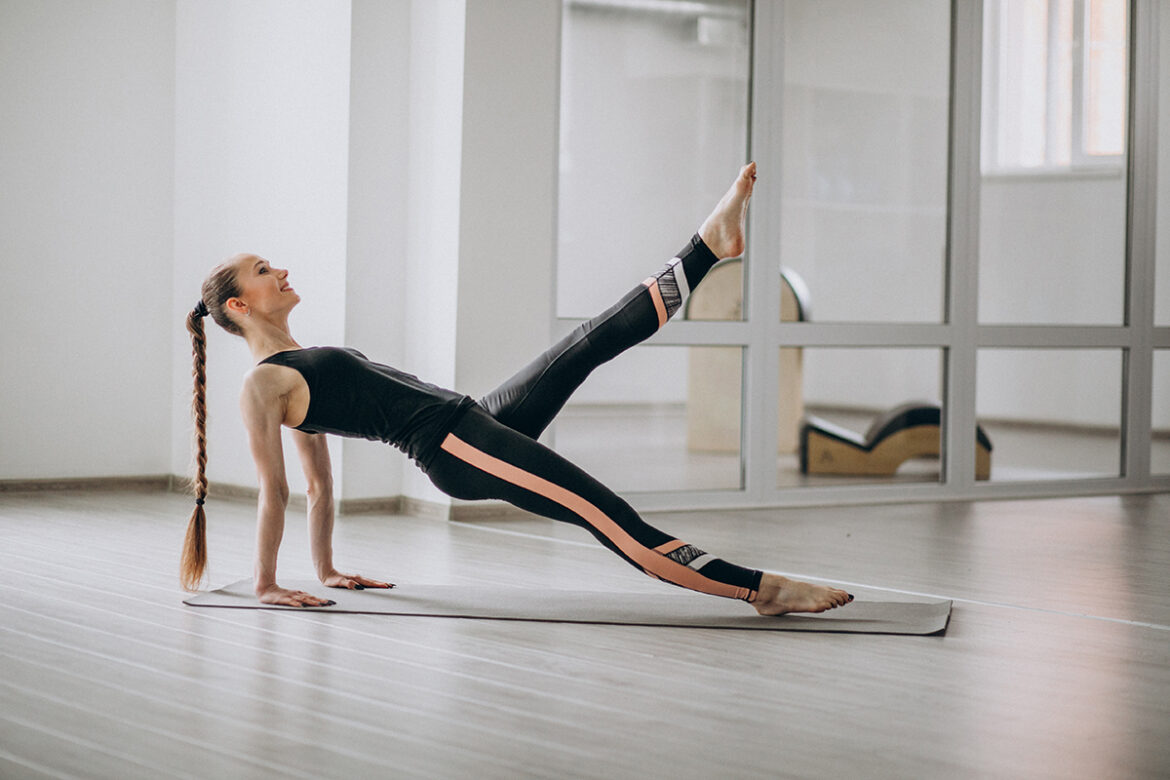
Just ten years ago, the word “stretching” conjured up images of athletes frozen in static poses after a run. Today, things are different. Stretching has become a discipline in its own right, and flexibility is one of the most coveted physical characteristics for Britons of all ages. From classes in specialized studios to morning routines on Instagram, stretching has become more than just a supplement to exercise, but the foundation of a new approach to health and longevity.

This shift stems from the recognition that our bodies are not designed for the modern lifestyle. Britons spend an average of 9-10 hours a day sedentary: working at a computer, commuting in a car or train, or spending an evening in front of the TV. This leads to chronic shortening of certain muscle groups (hip flexors, pectorals) and weakening of others. Traditional weight training or cardio doesn’t solve this problem and sometimes exacerbates it by reinforcing incorrect movement patterns.

This is where modern stretching systems come into play. Techniques like Stretch Therapy, Fascial Stretch Therapy, and functional stretching differ from school PE. They don’t require “tolerating pain” or attempting to overstretch muscles at any cost. Instead, they work with the fascia—the connective tissue that spans the entire body—and the nervous system, which often blocks movement due to stress or poor posture.

London has become one of the epicenters of the boom in specialized stretching studios. Places like Stretchology, The Stretch Clinic, and Flex Chelsea offer one-on-one sessions with a professional stretcher. The price of this pleasure—from £50 to £90 per session—doesn’t deter those who come with specific problems, such as chronic back pain, injury recovery, or a desire to improve athletic performance. Demand is so high that sessions are booked weeks in advance.

Pages: 1 2

If you haven’t been to the UK in the last couple of years, you might not know what padel is. If you have, you’ve already noticed: glass-walled courts are springing up all over the country, from central London to small towns in Yorkshire, and queues for games book out weeks in advance. Padel is a sport that combines elements of tennis and squash, and in just a few years, it has transformed from an exotic pastime into one of Britain’s fastest-growing activities. And that’s just the beginning.

What is padel? The game is played on a court about a third the size of a tennis court, surrounded by glass walls and a metal net. The serve is underhand, the ball can bounce off the walls, like in squash, and the rackets—hard and perforated—are unstrung. Scoring is the same as in tennis, but the game is played exclusively in doubles. It’s the doubles format that makes padel a social sport: you don’t just play, you interact, communicate, and experience every point together.

The reasons for the padel boom in the UK are obvious. Firstly, it’s incredibly accessible for beginners. Unlike tennis, where you need months to learn your serve, you can start playing padel in the first hour, enjoying the fun and exchanging hits. Secondly, it’s a low-impact sport. The ball is slower than a tennis ball, and the smaller court reduces the stress on joints, making padel ideal for those who have given up running or tennis due to knee or back pain.

British infrastructure has responded to demand with lightning speed. The Padel Social Club, Rocks Lane, and other commercial operators are opening dozens of new courts. Even giants like David Lloyd and Virgin Active are renovating their clubs to add padel courts. In London, the number of courts has tripled in the last two years alone, and yet finding a slot in the evening or on the weekend is still a challenge. Demand outstrips supply, and this is the best indicator that padel is here to stay.

Professional athletes and celebrities have played a special role in popularizing padel. When Andy Murray, a national hero of British tennis, began actively playing padel and even invested in court construction, it became a signal for the entire country. He was joined by footballers, actors, and influencers, who share videos of their games on social media. Padel has become not just a sport, but a fashionable lifestyle, a place for meeting and networking.

Pages: 1 2

Advertising

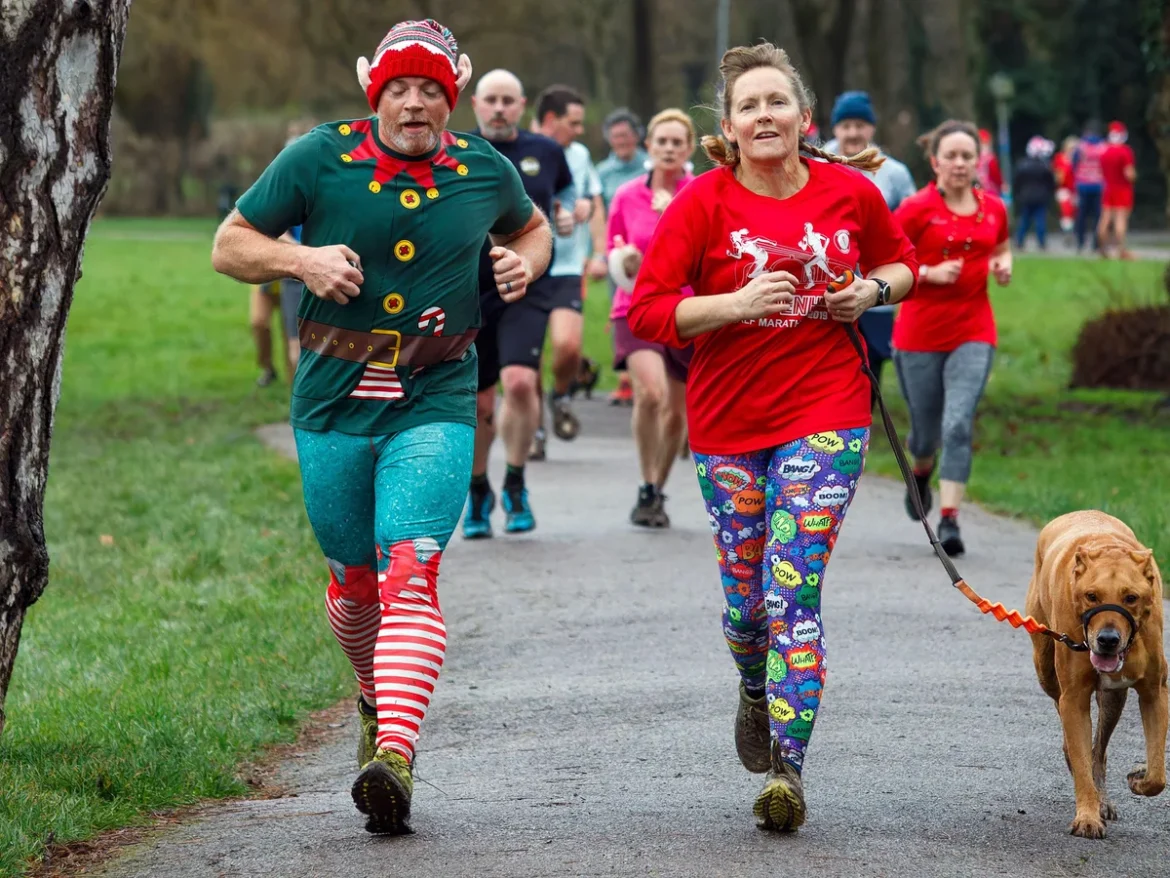
Saturday mornings in the UK are no longer associated solely with a leisurely breakfast and reading the newspaper. For hundreds of thousands of Britons, it begins with a 5k run that has transformed the very concept of mass exercise. Parkrun is a free, weekly event that began in 2004 in London’s Bush Park with a handful of enthusiasts and has grown into a global movement spanning over 20 countries. In the UK itself, over 300,000 people take part in the run every Saturday, and this number continues to grow, making Parkrun one of the most significant social phenomena in modern Britain.

The secret to Parkrun’s popularity lies in its radical accessibility. There are no selection criteria, no entry fees, no distinction between “athletes” and “everyone else.” An elite marathon runner, an eight-year-old with her parents, a grandmother with her dog, and a person putting on running shoes for the first time can all run on the same route. Each participant receives a personal barcode, and their time is recorded down to the second, but the most important thing is not the result, but the participation. The volunteers who manage each run are also ordinary participants, creating a wonderful atmosphere of mutual support.

For British culture, where social isolation is becoming an increasingly visible problem, Parkrun serves a crucial function: it brings people together. In an age when we spend more and more time in front of screens, the Saturday run becomes a ritual of in-person social interaction. Research shows that participating in Parkrun significantly increases happiness and reduces feelings of loneliness. Many participants admit that they initially came for the running, but stayed for the community—for that “well done” greeting from a stranger at the finish line.

The COVID-19 pandemic temporarily halted Parkrun, but it has demonstrated its importance. When parkruns resumed, the queues for the start were longer than ever. Organizers note that after lockdowns, people appreciated the opportunity to come together even more. Moreover, Parkrun has become a bridge back to active life for many after illness, periods of isolation, and even injuries. The system allows people to start as volunteers or parkwalkers, gradually regaining their confidence.

The variety of routes is another reason why Brits love Parkrun. Whether it’s a picturesque park in central London, a promenade on the Cornish coast, or a forest trail near Manchester, each run is unique. Participants collect routes like postage stamps, eager to visit different locations. There’s even an unofficial “Pirate Parkrunner” club for those who have completed 100 different Parkruns, an achievement as valuable as a marathon medal.

Pages: 1 2

Advertising