
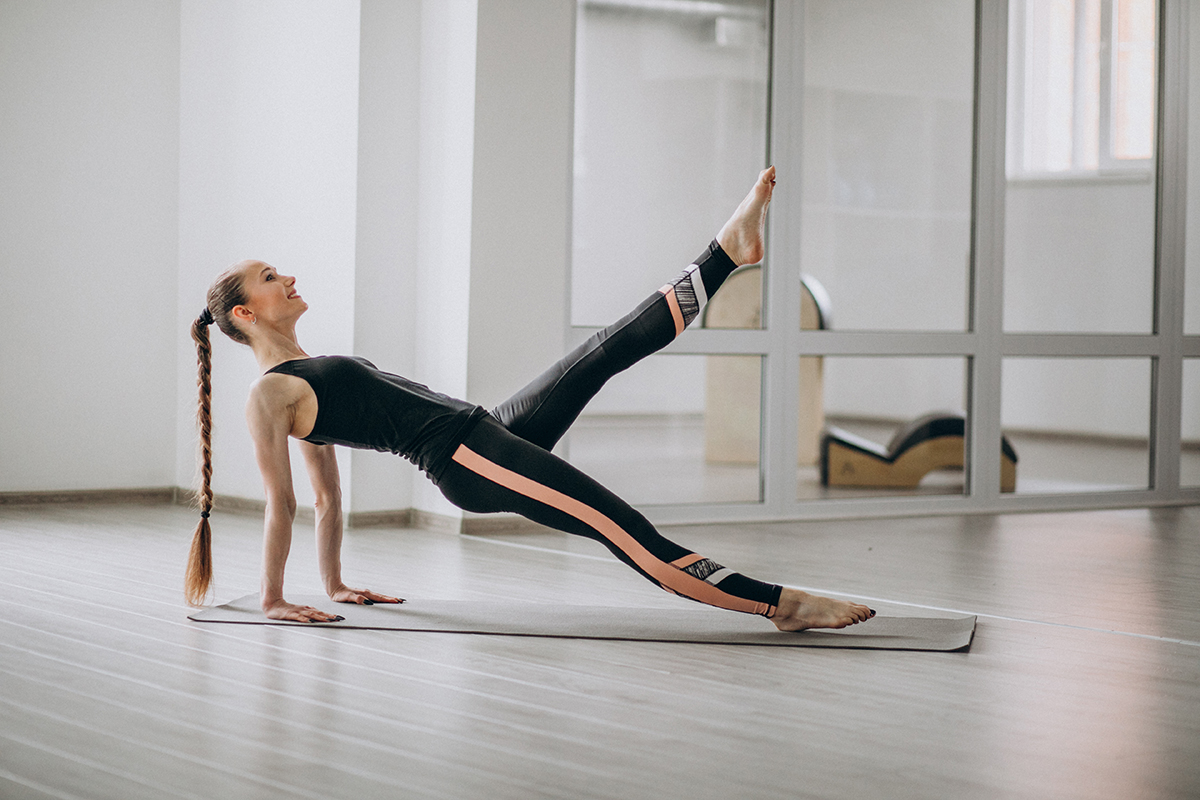
Just ten years ago, the word “stretching” conjured up images of athletes frozen in static poses after a run. Today, things are different. Stretching has become a discipline in its own right, and flexibility is one of the most coveted physical characteristics for Britons of all ages. From classes in specialized studios to morning routines on Instagram, stretching has become more than just a supplement to exercise, but the foundation of a new approach to health and longevity.
Advertising
This shift stems from the recognition that our bodies are not designed for the modern lifestyle. Britons spend an average of 9-10 hours a day sedentary: working at a computer, commuting in a car or train, or spending an evening in front of the TV. This leads to chronic shortening of certain muscle groups (hip flexors, pectorals) and weakening of others. Traditional weight training or cardio doesn’t solve this problem and sometimes exacerbates it by reinforcing incorrect movement patterns.
This is where modern stretching systems come into play. Techniques like Stretch Therapy, Fascial Stretch Therapy, and functional stretching differ from school PE. They don’t require “tolerating pain” or attempting to overstretch muscles at any cost. Instead, they work with the fascia—the connective tissue that spans the entire body—and the nervous system, which often blocks movement due to stress or poor posture.
London has become one of the epicenters of the boom in specialized stretching studios. Places like Stretchology, The Stretch Clinic, and Flex Chelsea offer one-on-one sessions with a professional stretcher. The price of this pleasure—from £50 to £90 per session—doesn’t deter those who come with specific problems, such as chronic back pain, injury recovery, or a desire to improve athletic performance. Demand is so high that sessions are booked weeks in advance.