Category:

Animals

Advertising

Every year, not only legal goods and tourists cross the UK’s borders, but also illegal cargo worth billions. The illegal wildlife trade is the fourth-largest international criminal enterprise after arms, drugs, and human trafficking, generating up to £17 billion annually. In response to this threat, the UK Border Force is conducting large-scale operations, and the results of the latest raids are shocking even seasoned experts.

During the annual international Operation Thunder, organized jointly with Interpol and the World Customs Organization, UK border guards seized more than 250 endangered species and illegal wildlife products. Compared to 2023, the number of seizures has increased by 73%. The seizures included live snakes, tarantulas, lovebirds, as well as ivory items, tiger claws, and even shark jaws.

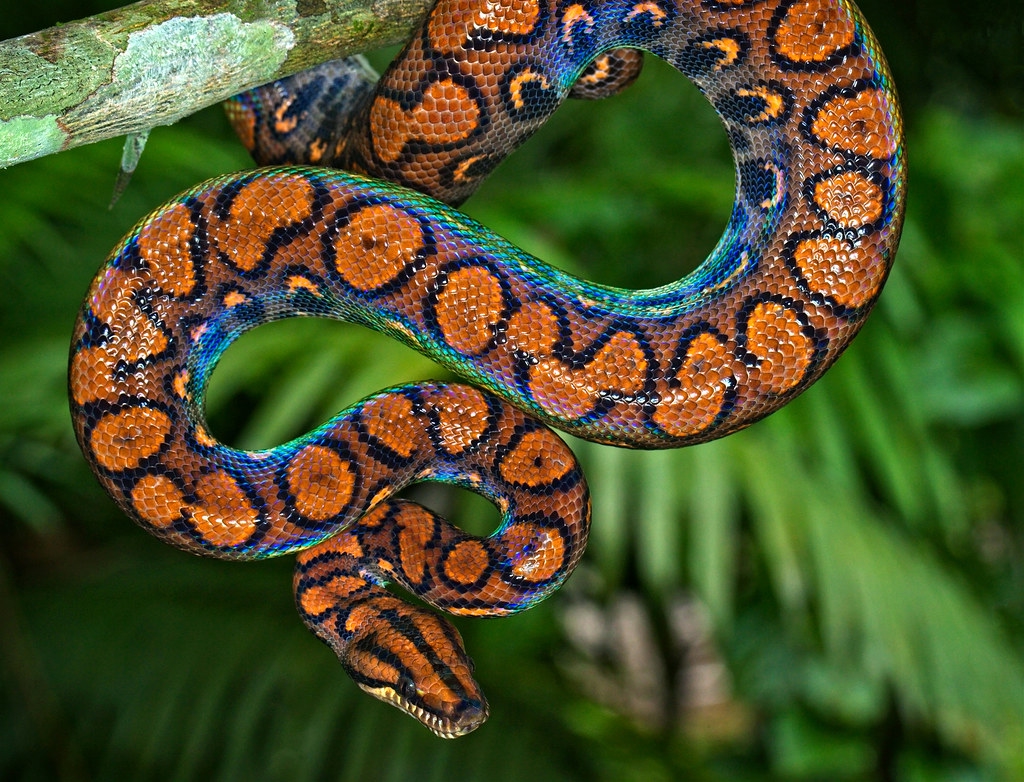
One of the most egregious operations was carried out in Dover, where officers discovered two rainbow boas hidden under blankets in a car. The driver had purchased them at a German reptile exhibition without the necessary licenses. In another case, a car containing over 100 rare birds, including scarlet ibises, green-cheeked conures, and lovebirds, was intercepted at the border in appallingly unsanitary conditions. Some of the birds have already died.

The sharp increase in spider smuggling is particularly alarming. In one case alone, Border Force intercepted a car carrying over 2,000 live tarantulas from Europe. The shipment was valued at approximately £70,000, with over 300 spiders belonging to protected species requiring special permits for transportation. Adult tarantulas can sell on the black market for between £50 and £500 each, depending on the species.

British Border Force not only intercepts shipments but also conducts intelligence work. The specialized CITES (Convention on International Trade in Endangered Species) team at Heathrow Airport is recognized as a world leader in detecting and seizing illegal wildlife products. Officers are increasingly using an intelligence-based approach, sharing information with international partners and tracking entire criminal networks.

Migration and Citizenship Minister Mike Tapp emphasized the seriousness of the situation: “Wildlife smuggling is a serious, organized crime. “It fuels corruption, drives species to extinction, and undermines our border security.” His DEFRA colleague, Mary Creagh, added: “The illegal wildlife trade is a despicable business that destroys the natural world. By tackling this crime, we send a clear message to criminal gangs.”
Pages: 1 2

The UK boasts not only a long history and picturesque landscapes, but also amazing animals whose sizes and characteristics have earned them a place in the Guinness Book of Records. These living legends live among us, and their stories deserve a special telling. Meet Derrick and Bambu, two donkeys from Lincolnshire who have become true international stars. They live at the Radcliffe Donkey Sanctuary in Huttoft, which has been caring for dozens of rescued animals since 1999.

At an incredible 167 centimeters tall, Derrick is officially recognized as the tallest donkey in the world. This is 20 centimeters taller than the average for his species. Sanctuary owner Tracy Garton smiles as she explains that no one believes Derrick is a donkey: “Everyone thinks he’s a mule, he’s that big.” Despite his enormous size, Derrick is known as a “gentle giant”—affectionate, sociable, and, as it turns out, with an extreme sweet tooth, especially gingerbread cookies. He eats up to 200 kilograms of hay a week.

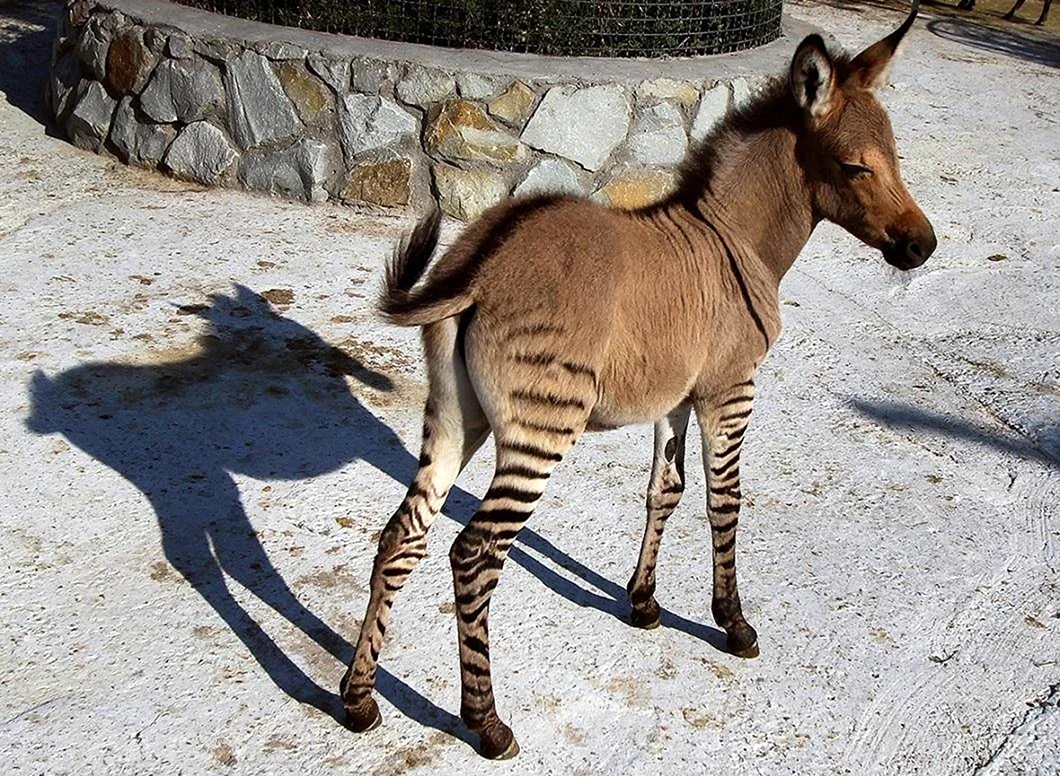
Derrick’s stallmate, the charming Bambu, earned his title for having the longest ears. At 35 centimeters long, he’s a favorite among visitors to the sanctuary. Volunteers say Bambu is the most popular pet, with guests constantly asking about him. His long ears aren’t just decorative; they also serve an important function: they help regulate his body temperature and detect sounds. Tracy Garton humorously notes that sometimes it seems as if he can’t hear anything even with his ears so long. The sanctuary staff’s joy at having two of their charges included in the 2026 Guinness Book of World Records is hard to overstate. “It’s fantastic,” they say. “We’re delighted that Derrick and Bambu’s popularity will help more people learn about our sanctuary and help other animals.” Radcliffe Donkey Sanctuary, which relies on donkeys, cares not only for donkeys but also for mules and even rare zebra-donkey hybrids called zonkeys. Visitors can meet the record-breakers in person, treat them to carrots, or even symbolically “adopt” one.

But Britain is famous for more than just the tallest donkeys and longest ears. In 2024, a creature dubbed a “mermaid” by locals was discovered on the Norfolk coast. While walking along Clay Beach, 29-year-old Katherine Sabbarton-Wright stumbled upon something unusual: a creature with a furry body, a dog-like head, strikingly sharp teeth, and fins. It was the size of a large deer or a small cow.

Pages: 1 2

Advertising

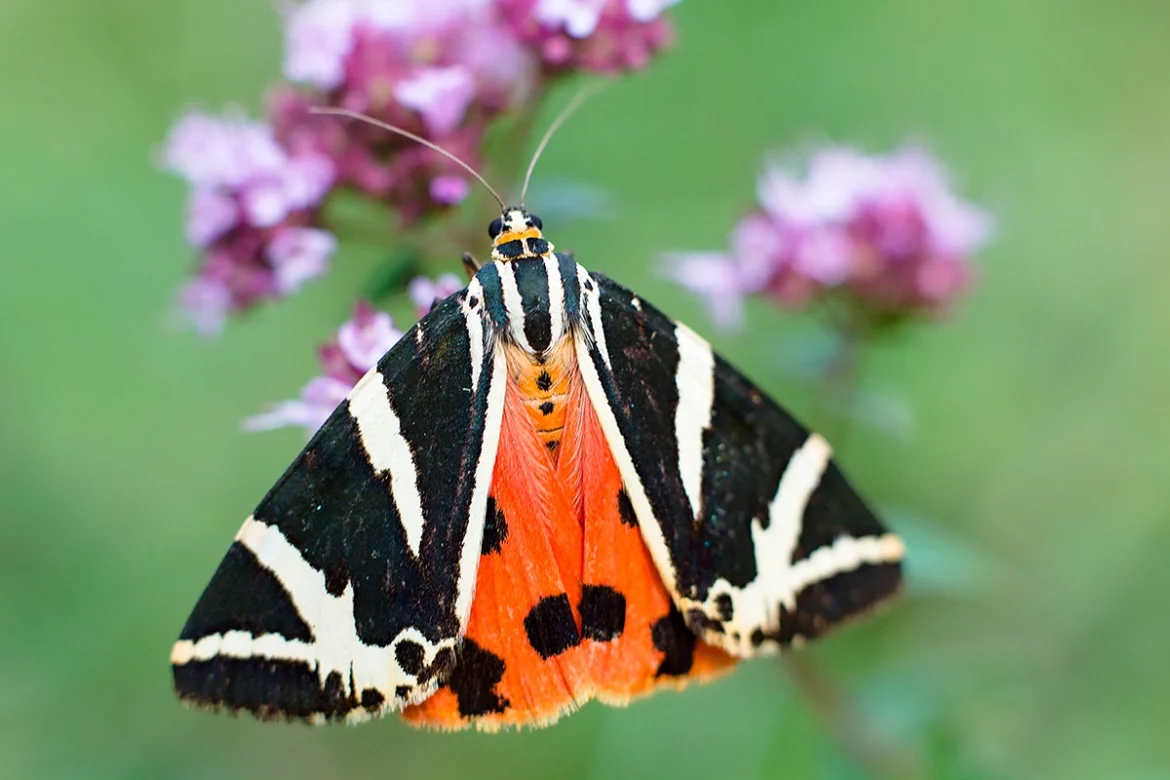
Butterflies are more than just a decorative feature of British meadows and gardens. They serve as indicators of the health of our environment, and their alarming state points to a profound crisis. According to the latest analysis, published in 2022, half of all butterfly species native to the UK are listed as endangered. Twenty-four species are listed as “near threatened,” and eight are considered endangered. Four species have already completely disappeared from the British Isles: the hawthorn butterfly, the gypsy moth, the gypsy moth, and the wood blue.

A study conducted by Butterfly Conservation using data from the UK Butterfly Monitoring Programme revealed an alarming trend. Dr. Richard Fox, the organization’s head of science, is concerned: “Amazingly, half of Britain’s remaining butterfly species are classified as threatened or near threatened.” He notes that British butterflies have long been among the most vulnerable in Europe, and now the number of threatened species has increased by five more.

Among those whose status has worsened most dramatically are the marsh fawn and the pine satyr, which have been downgraded from vulnerable to endangered. The swallowtail, a famous large butterfly with striking black and yellow wings, and the blue butterfly have also seen their threat status increased. The reasons for this include habitat loss due to intensive agriculture, the drainage of wetlands, poor forest management, and, increasingly, climate change, which is disrupting the life cycles of these insects.

However, the history of British butterflies is not only a story of loss but also a story of hope, where focused efforts yield impressive results. The most striking example is the Large Blue. This species became completely extinct in the UK in 1979, becoming a symbol of conservation failure. But scientists did not give up. After decades of research that uncovered the species’ complex life strategy (larvae parasitize a specific species of ant), a large-scale reintroduction program was launched. And the result exceeded all expectations: today, the Large Blue has not only been restored, but has been downgraded from “endangered” to “near threatened.”

Pages: 1 2

Ask any Brit what animals live only on our soil, and you’ll likely get a confused shrug in response. It was long believed that Britain had almost no endemic species—species found nowhere else on the planet. However, recent research has upended this notion. According to data compiled by the conservation organization Buglife and popularized in James Harding-Morris’s book “Endemic,” the British Isles are home to over 700 species and at least 100 subspecies found nowhere else on Earth. These are our unique treasures, for which we bear full global responsibility.

Among these endemics are true gems, hidden in the most unexpected places. Take, for example, the Celtic woodlouse (Metatrichoniscoides celticus)—a tiny creature measuring just 2.5 millimeters, with an iridescent pearly white body. It can be found turning over coastal rocks in Wales and the western outskirts of England. Discovered only in the 1980s, this woodlouse remains virtually unknown to the general public, despite its existence being a unique chapter in the biology of the British Isles.

An even more fantastical creature is the Chater’s bristletail (Dilta chateri), named after the scientist who first described it in the 1990s. This iridescent, alien-like creature has an astonishing ability to leap. It can be found in damp fern forests, where it leads a secretive life. Like many endemic species, it has no close relatives in neighboring territories and is the result of millions of years of isolation within the British Isles.

The story of Lundy Island in Devon deserves special mention. It is the only place in the world where one can observe a rare example of “coendemism”—when an endemic animal species exists solely thanks to an endemic plant. The Lundy cabbage flea beetle (Psylliodes luridipennis) spends its entire life on Lundy cabbage, a plant also found nowhere else. This delicate balance, where the fate of beetle and plant are inextricably linked, serves as the perfect metaphor for the fragility of our entire unique ecosystem.

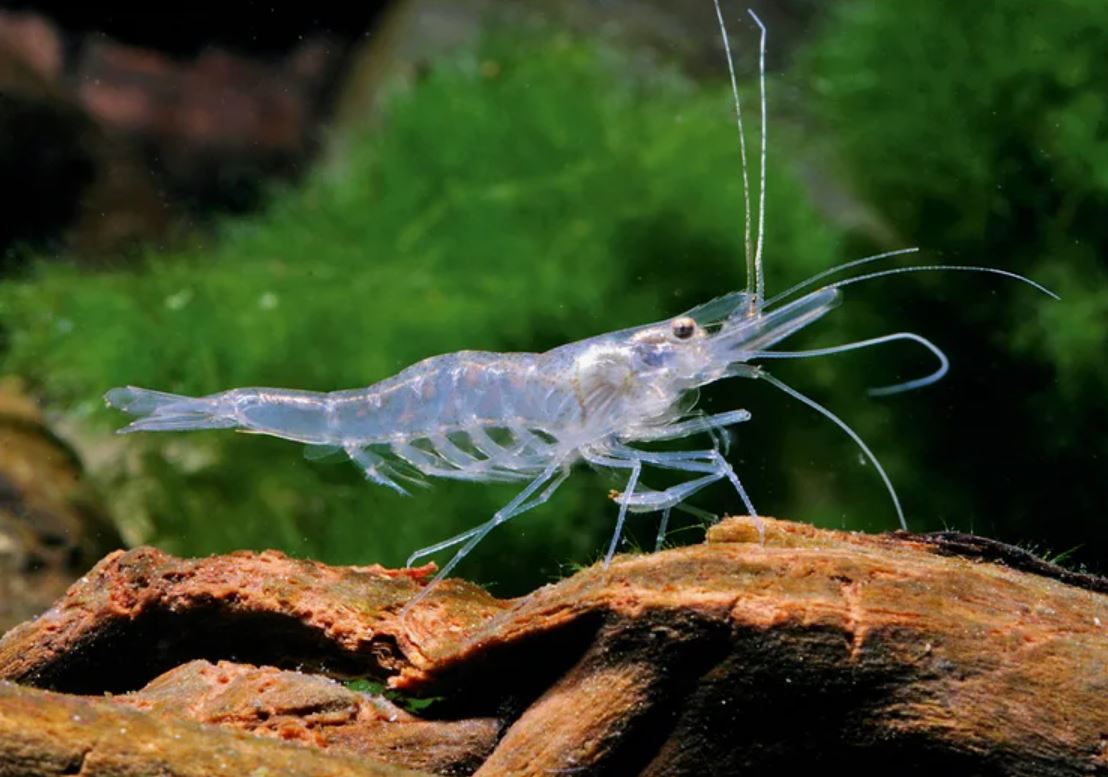
But perhaps the most astonishing discovery of recent years is the British cave shrimp (Niphargus glenniei). A blind, ghostly-pale creature that inhabits damp rock crevices and temporary pools in dank caves. She never saw sunlight and adapted to life in complete darkness, rendering her eyes useless. James Harding-Morris, author of a book on endemic species, admits that these shrimp are his personal favorites, and he was willing to crawl through tight, muddy tunnels just to encounter them.

Pages: 1 2

Advertising

When we talk about endangered species, images of African rhinos or Asian tigers usually come to mind. However, few residents of Foggy Albion realize that the drama of extinction is unfolding right under our noses. In 2020, the first official Red List of Mammals in the UK was published, and its results were shocking: 11 of the 47 mammal species native to the British Isles are critically endangered, with another five species considered “endangered.” This means that more than a quarter of our native fauna is teetering on the brink of extinction.

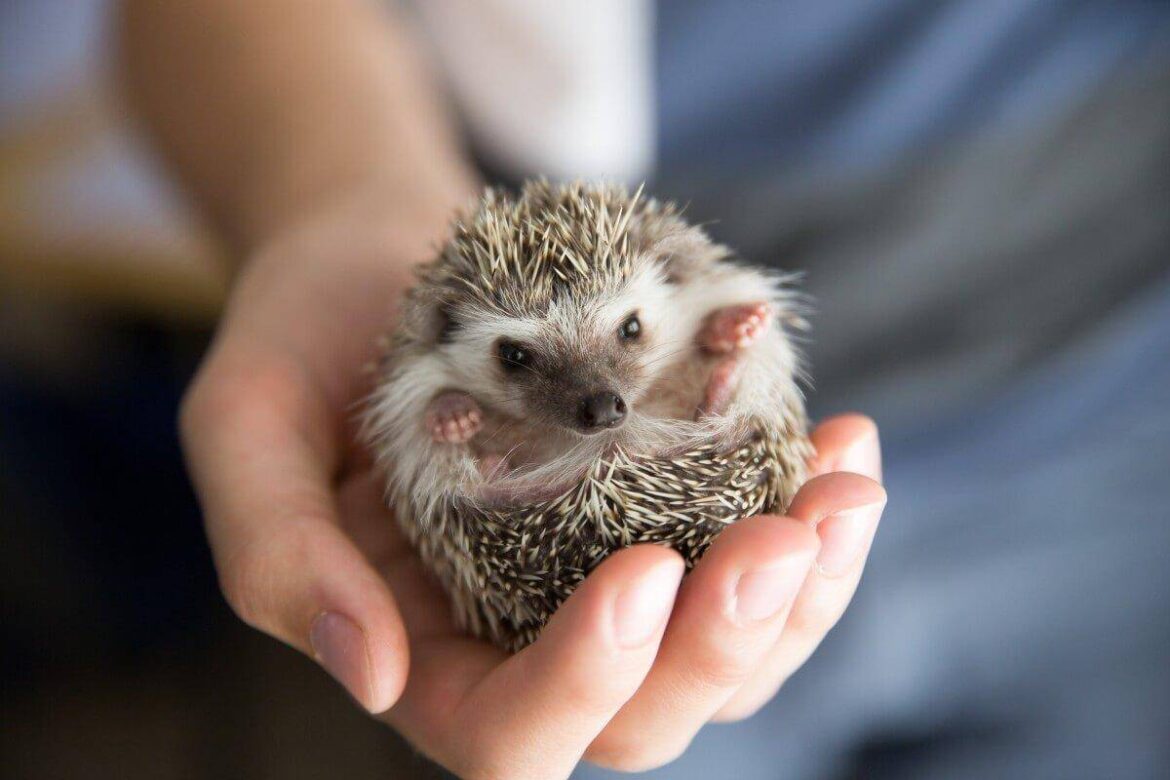
Among those included on this alarming list are our beloved garden guests—hedgehogs. The once-common sight of a spiky lump curled up in the twilight is becoming increasingly rare. The decline of hedgehog populations is a classic combination of anthropogenic factors: agricultural intensification, the destruction of hedgerows that serve as their natural highways, and, of course, traffic. Hedgehogs’ neighbors on the list are water voles, whose numbers have fallen catastrophically due to habitat loss and predation by introduced American minks.

The Red List, compiled by the Society for the Study of Mammals and endorsed by the International Union for Conservation of Nature, revealed a surprising fact: the causes of decline for different species vary, but the root cause is common. Wildcats (Scottish wildcats), pine martens, and beavers were once hunted en masse by hunters and landowners. Bats and hazel dormice (adorable little creatures that have become symbols of conservation efforts) were devastated by the loss of old-growth forests and traditional forestry practices.

Professor Fiona Matthews of the University of Sussex, one of the compilers of the Red List, spoke with the bluntness characteristic of British science: “While we mourn the decline of wildlife diversity in other parts of the world, here in the UK we have managed to push even rodents to the brink of extinction.” This observation is particularly poignant in relation to the Orkney voles, a unique subspecies found only on the Orkney Islands and affected by both habitat degradation and the introduction of non-native species.

A special category is made up of species that are already extinct or are on the verge of extinction. The European wolf is officially declared extinct in the UK, and its story serves as a grim reminder of how quickly humans can destroy even the most formidable predator. Several bat species are on the “critically endangered” list, including the rare horseshoe bat, whose colonies now number only dozens of individuals across the country.

Pages: 1 2

Advertising