
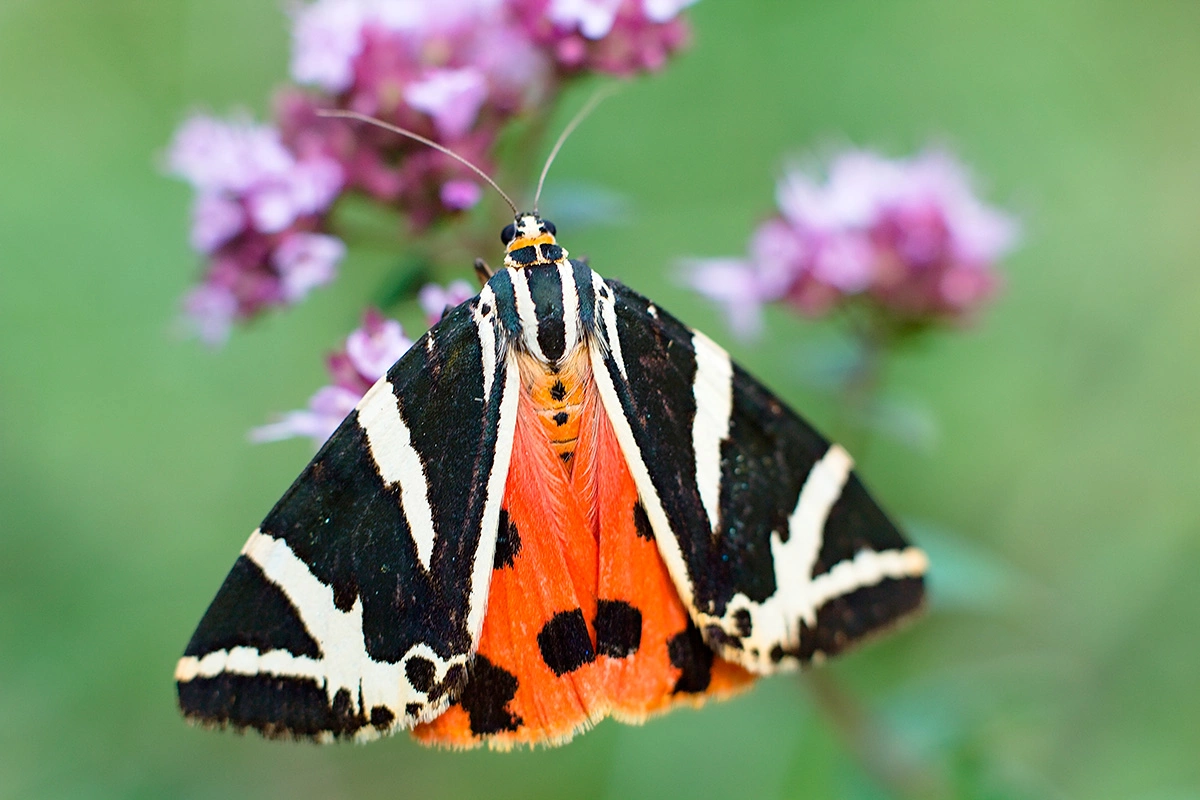
Butterflies are more than just a decorative feature of British meadows and gardens. They serve as indicators of the health of our environment, and their alarming state points to a profound crisis. According to the latest analysis, published in 2022, half of all butterfly species native to the UK are listed as endangered. Twenty-four species are listed as “near threatened,” and eight are considered endangered. Four species have already completely disappeared from the British Isles: the hawthorn butterfly, the gypsy moth, the gypsy moth, and the wood blue.
Advertising
A study conducted by Butterfly Conservation using data from the UK Butterfly Monitoring Programme revealed an alarming trend. Dr. Richard Fox, the organization’s head of science, is concerned: “Amazingly, half of Britain’s remaining butterfly species are classified as threatened or near threatened.” He notes that British butterflies have long been among the most vulnerable in Europe, and now the number of threatened species has increased by five more.
Among those whose status has worsened most dramatically are the marsh fawn and the pine satyr, which have been downgraded from vulnerable to endangered. The swallowtail, a famous large butterfly with striking black and yellow wings, and the blue butterfly have also seen their threat status increased. The reasons for this include habitat loss due to intensive agriculture, the drainage of wetlands, poor forest management, and, increasingly, climate change, which is disrupting the life cycles of these insects.
However, the history of British butterflies is not only a story of loss but also a story of hope, where focused efforts yield impressive results. The most striking example is the Large Blue. This species became completely extinct in the UK in 1979, becoming a symbol of conservation failure. But scientists did not give up. After decades of research that uncovered the species’ complex life strategy (larvae parasitize a specific species of ant), a large-scale reintroduction program was launched. And the result exceeded all expectations: today, the Large Blue has not only been restored, but has been downgraded from “endangered” to “near threatened.”