
If you haven’t been to the UK in the last couple of years, you might not know what padel is. If you have, you’ve already noticed: glass-walled courts are springing up all over the country, from central London to small towns in Yorkshire, and queues for games book out weeks in advance. Padel is a sport that combines elements of tennis and squash, and in just a few years, it has transformed from an exotic pastime into one of Britain’s fastest-growing activities. And that’s just the beginning.
Advertising
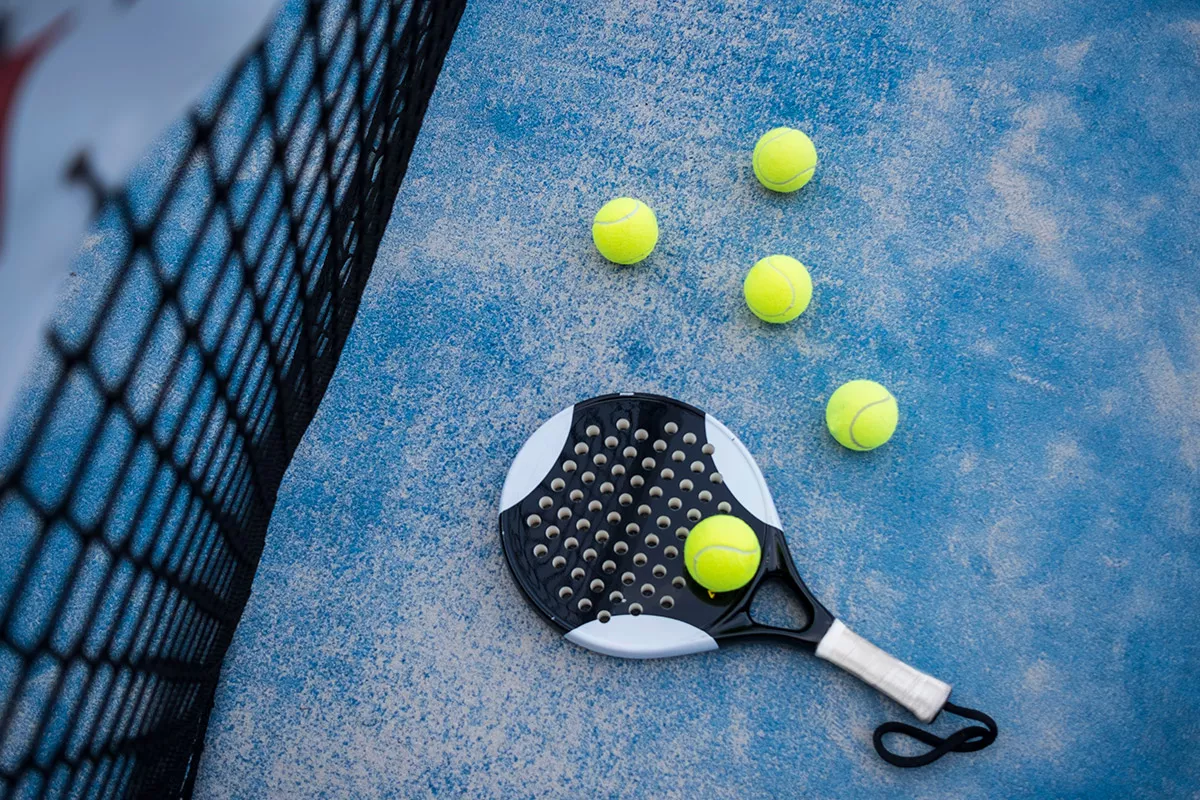
What is padel? The game is played on a court about a third the size of a tennis court, surrounded by glass walls and a metal net. The serve is underhand, the ball can bounce off the walls, like in squash, and the rackets—hard and perforated—are unstrung. Scoring is the same as in tennis, but the game is played exclusively in doubles. It’s the doubles format that makes padel a social sport: you don’t just play, you interact, communicate, and experience every point together.
The reasons for the padel boom in the UK are obvious. Firstly, it’s incredibly accessible for beginners. Unlike tennis, where you need months to learn your serve, you can start playing padel in the first hour, enjoying the fun and exchanging hits. Secondly, it’s a low-impact sport. The ball is slower than a tennis ball, and the smaller court reduces the stress on joints, making padel ideal for those who have given up running or tennis due to knee or back pain.
British infrastructure has responded to demand with lightning speed. The Padel Social Club, Rocks Lane, and other commercial operators are opening dozens of new courts. Even giants like David Lloyd and Virgin Active are renovating their clubs to add padel courts. In London, the number of courts has tripled in the last two years alone, and yet finding a slot in the evening or on the weekend is still a challenge. Demand outstrips supply, and this is the best indicator that padel is here to stay.
Professional athletes and celebrities have played a special role in popularizing padel. When Andy Murray, a national hero of British tennis, began actively playing padel and even invested in court construction, it became a signal for the entire country. He was joined by footballers, actors, and influencers, who share videos of their games on social media. Padel has become not just a sport, but a fashionable lifestyle, a place for meeting and networking.