Category:

Ecology

Advertising

Food in the UK has long ceased to be a matter of taste or budget. It has become a central topic of the environmental agenda, from how food is grown to how much we throw away. British agriculture, shopping culture, and eating habits are under pressure to reduce their carbon footprint, support biodiversity, and radically reduce food waste. For the average consumer, this means choosing food becomes an act of conscious responsibility.

Food waste remains one of the most pressing issues. According to WRAP, British households throw away approximately 4.5 million tonnes of edible food annually. This is not only an ethical disaster but also an economic one: the average family loses up to £700 a year on wasted food. In response, apps like Too Good To Go, which allows you to buy “surprise packages” of surplus food from cafes and supermarkets at a reduced price, are growing in popularity. Launched in the UK, this platform has become a true cultural phenomenon, uniting millions of users who take pride in saving food.

Supermarkets are also taking action. Tesco, Sainsbury’s, Morrisons, and Waitrose have signed a pledge to reduce food waste by 50% by 2030. Many have implemented dynamic pricing systems, reducing prices on products nearing their sell-by dates in the evening rather than sending them to landfill. Furthermore, major chains are partnering with charities like FareShare, donating surplus food to shelters and soup kitchens, helping not only the environment but also addressing food poverty.

At the same time, interest in local and seasonal eating is growing. The “shop local” movement gained significant momentum during the pandemic and is now supported by environmental concerns: the shorter the journey food takes from farm to plate, the lower the transport emissions. Farmers’ markets are experiencing a renaissance, and Community Supported Agriculture (CSA) schemes allow city dwellers to sign up for weekly vegetable baskets straight from a nearby farm.


Pages: 1 2

British roads, especially in major cities, have long been a symbol of car dependence. However, in recent years, the transport landscape has changed radically. The introduction of Ultra Low Emission Zones (ULEZs) in London, the expansion of Clean Air Zones (CAZs) in Birmingham, Bristol, and other cities, and the unprecedented rise in popularity of electric cars and e-bikes have created a new reality. For Britons, transport choices are increasingly being made not only based on convenience but also on environmental impact and cost-effectiveness.

London’s ULEZ, which expanded to Greater London in August 2023, has become the most talked-about initiative. For many drivers, especially those with older diesel vehicles, this meant either a daily charge of £12.50 or a replacement vehicle. Despite political controversy and protests, the impact was significant: nitrogen oxide emissions in central London fell by almost 50%, and the number of non-compliant cars in the ULEZ zone fell by tens of thousands. This has forced thousands of families to reconsider their transport habits.

Electric vehicles (EVs) are no longer a niche product. According to the SMMT, one in six new cars sold in the UK will be electric by 2023. Manufacturers are racing to introduce new models, and charging infrastructure is expanding, albeit not without challenges. British drivers, especially those with private parking with home charging options, have appreciated the fuel savings and low running costs. However, for residents of apartment buildings and older areas without dedicated parking, access to charging remains a headache.

The government has committed to ending the sale of new petrol and diesel cars by 2030 (although the target has been adjusted), sending a clear signal to the market. In response, the charging network is expanding: companies like BP Pulse, Gridserve, and Pod Point are building fast chargers on motorways and in city centers. New standards require charging stations to be equipped with contactless payment, removing the barrier of multiple apps.

However, the real transport revolution in Britain is happening on two wheels. Electric bicycles (e-bikes) are experiencing a gold rush-like boom. Rental schemes like Lime and Forest have blanketed London, Manchester, and other cities with thousands of bikes that can be parked anywhere. For short trips of 3-5 miles, e-bikes are often faster than cars during rush hour and significantly cheaper. Moreover, they help bypass traffic jams and restricted access zones.

Pages: 1 2

Advertising

Britain’s housing stock is among the oldest and most energy-inefficient in Europe. Millions of homes built in the Victorian and Edwardian eras have uninsulated brick walls, slatted windows, and gas boilers that have been running for decades. Amid the energy crisis and the push for carbon neutrality by 2050, the green transformation of homes has transformed from a voluntary initiative into a government priority. Today, every discussion about the home is filled with words like “heat pump,” “solar panels,” and “insulation.”

The UK government launched the Boiler Upgrade Scheme, offering grants of up to £7,500 for replacing a gas boiler with an air source or geothermal heat pump. This has been a powerful incentive, although adoption is uneven. The main obstacle is the myths that heat pumps “don’t work in older homes” or are “expensive to operate.” However, modern models designed for high-temperature systems (High Temperature Heat Pumps) can successfully heat even houses with cast-iron radiators, especially if basic insulation is applied before installation.

Insulation remains the most underrated, yet critically important measure. The government’s Great British Insulation Scheme targets low-energy-efficient homes, offering free or subsidized loft and wall insulation. For many Britons facing soaring gas and electricity bills, the investment in insulation has paid for itself in a single winter. Furthermore, it reduces the carbon footprint, as less energy is required for heating.

Solar PV panels are experiencing a renaissance. While ten years ago they were rare and associated with hippies and eco-villages, they can now be seen on the roofs of ordinary townhouses in the suburbs. With the development of energy storage technologies, such as Tesla Powerwall home batteries or systems from GivEnergy, Britons can not only generate electricity but also store it for use in the evenings when tariffs are higher. This is especially relevant with the rise of electric vehicles.

Smart meters are another element of the energy transition that the government is actively promoting. By the end of 2025, they are planned to be installed in most households. A smart meter provides real-time information on how much energy each appliance is consuming and helps adjust behavior. However, public perception remains mixed: many complain about malfunctions in older models or are concerned about data privacy, despite Ofgem’s assurances.

Pages: 1 2

Britain has long been one of the epicenters of mass consumption, particularly in fashion. London’s “fast fashion” dictated trends, and Oxford Street bustled with shoppers clearing out Primark collections in a matter of days. But in the last few years, something has changed. Inflation, climate anxiety, and a cultural shift toward “slow living” have led to conscious consumption no longer being the preserve of a small group of eco-activists but becoming a mainstream trend, especially among millennials and Zoomers.

One of the most striking manifestations of this shift has been the boom in charity shops. Every high street in Britain, from Brighton to Glasgow, boasts shops run by Oxfam, the British Heart Foundation, Cancer Research UK, and local charities. While once seen as places for those on a budget, they are now veritable hubs for fashion-forward shopping. Young people are sharing their vintage ’90s finds on TikTok, and designer pieces at bargain prices are becoming a source of pride. Shopping at a charity shop isn’t just about saving money; it’s an ethical choice that supports charity and extends the life of items.

At the same time, a culture of repair and sharing is gaining momentum. Platforms like Vinted and Depop, which boast millions of followers in the UK, have made selling secondhand clothing a daily occurrence. Going through your closet, photographing items, and putting them up for sale is as common a ritual as cleaning on a Saturday. Moreover, entire communities have formed on these platforms, where people discuss the quality of fabrics, shoe restoration, and exchange tips on how to extend the life of their favorite jackets.

The “capsule wardrobe” phenomenon has found fertile ground in Britain. The changeable climate, which requires layering, naturally encourages a preference for functional, coordinating clothing. Influencers and bloggers like The Anna Edit and other representatives of “British minimalism” have been promoting the idea for years: buying less but better, choosing high-quality natural fabrics and pieces that will last for more than one season. This is the direct opposite of the “wear three times and throw away” model.

Pages: 1 2

Advertising

When it comes to environmental issues in the UK, many outside the country imagine idyllic, separate bins in front of Victorian homes. However, the reality is often more complex. The waste collection system in England, Wales, Scotland, and Northern Ireland has historically been fragmented: each local council sets its own rules, and what’s recycled in Manchester might end up in a landfill in neighboring Birmingham. Only recently did the government announce a long-awaited reform that aims to standardize waste collection nationwide by 2026, introducing mandatory bins for plastic, glass, paper, and food waste. For the average Briton, this means the end of the “bin confusion.”

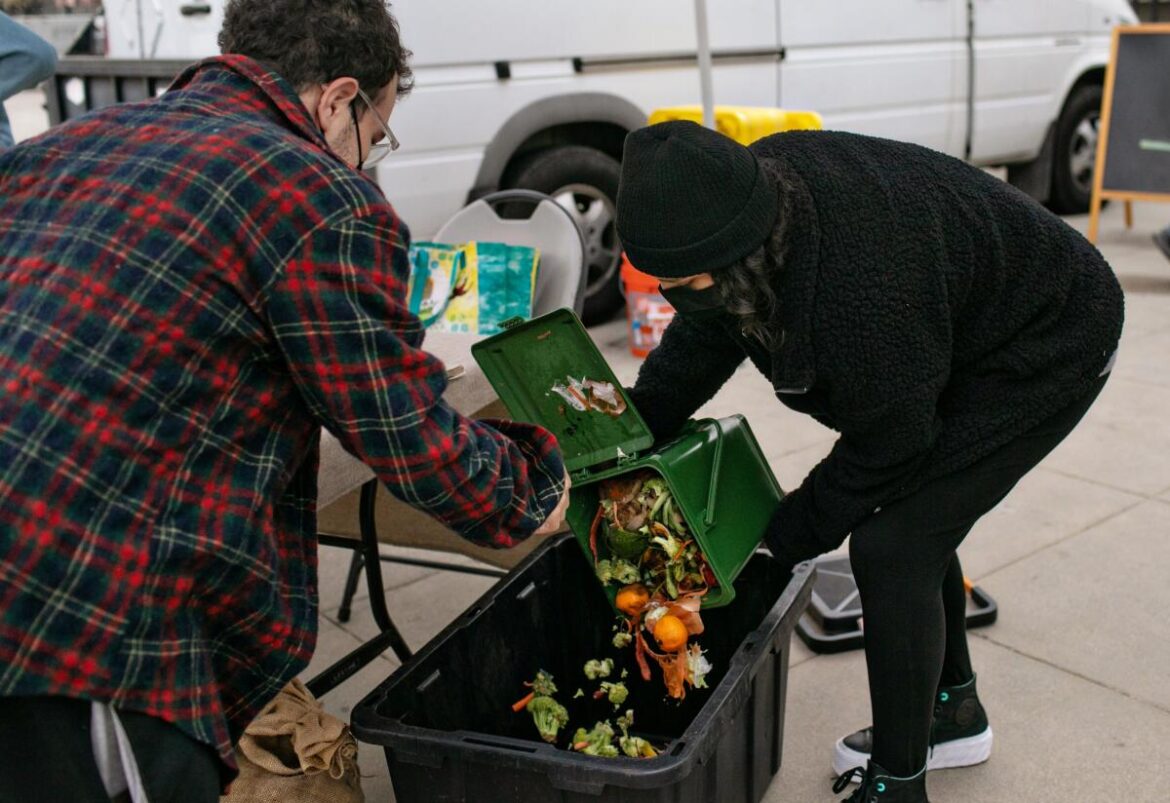
Food waste remains one of the biggest challenges. According to WRAP (Waste and Resources Action Programme), British households throw away approximately 4.5 million tonnes of edible food each year. Scotland was the first to make separate collection of food waste mandatory, and now many English councils are gradually introducing small kitchen caddies, which are then emptied into street bins. This not only reduces landfill volumes but also allows organic waste to be converted into biogas, which is used to generate electricity—even if only for street lighting.

Plastic packaging is a particular headache. Britons are accustomed to seeing the “recycling symbol” logo on almost everything, but the actual recyclability of many materials, especially soft plastics (film, crisp bags), remains low. Supermarkets such as Tesco and Co-op have begun installing dedicated collection points for flexible packaging, but public participation remains uneven. A telling example is the scandal surrounding the export of plastic waste to Turkey and other countries, which has forced British society to consider the difference between “taking out the trash” and “recycling.”

Household waste recycling centers, often still referred to as “tips,” have become an important element of recycling culture. For many Brits, a trip to the tip on a Saturday morning is a family ritual, comparable to a trip to B&Q. Here, you can dispose of not only regular waste but also old furniture, garden waste, electronics, and even hazardous materials. However, since 2023, many councils have tightened regulations, requiring pre-booking and number plate checks to prevent businesses from illegally dumping waste.

Electronics deserve a special mention. The British are one of the most active consumers of gadgets in Europe, and old phones, toasters, and laptops often gather dust in drawers for years. New “Right to Repair” regulations, which came into force, require manufacturers to make spare parts available to consumers and independent repair shops. This is gradually changing mentality: instead of throwing out a broken kettle, Britons are increasingly searching for a “repair café” or ordering parts online.

Pages: 1 2

Advertising