
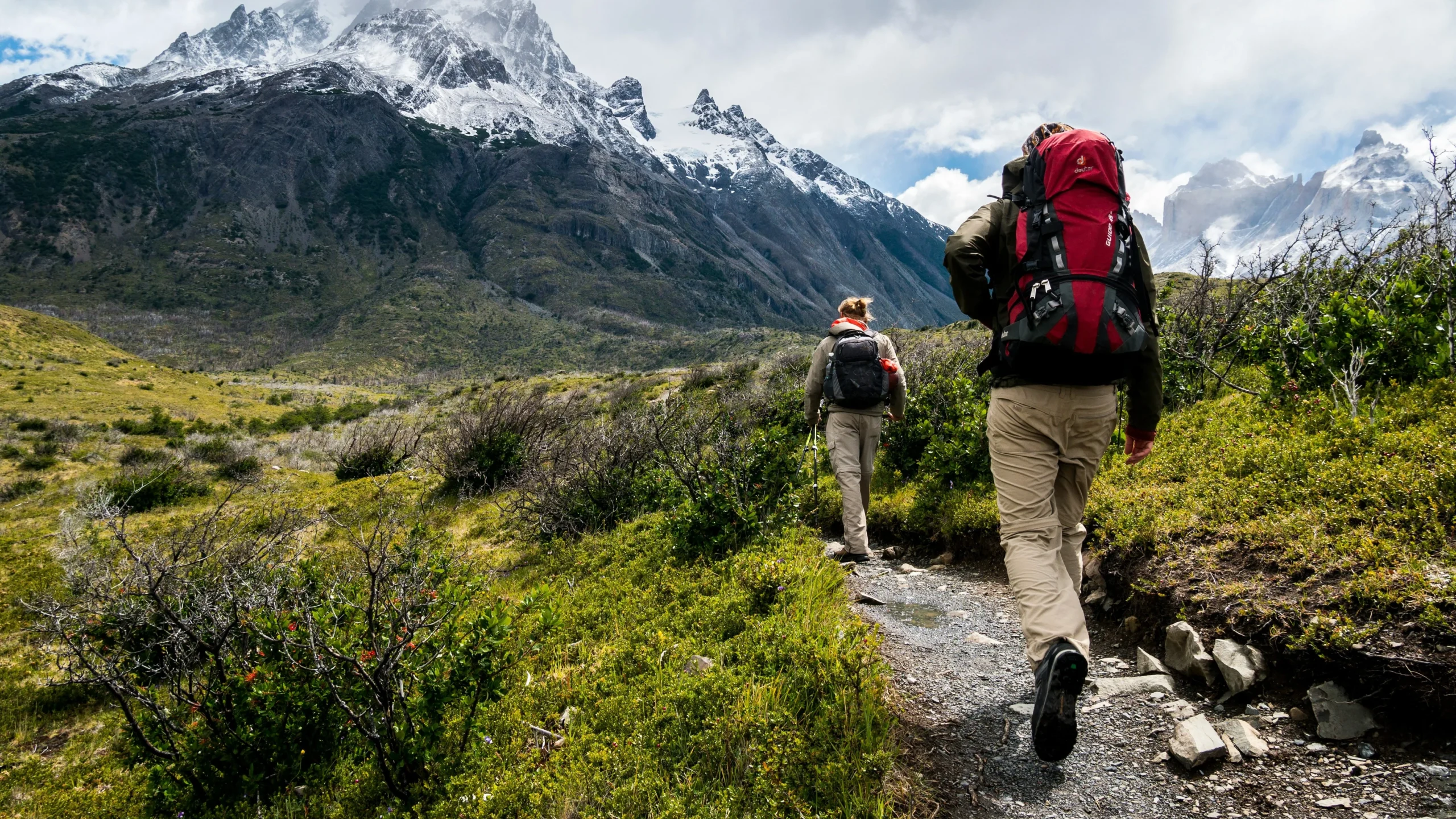
In a country where you can leave central London and find yourself among the hills of Surrey within an hour, hiking has never been exotic. But recent years have brought with them something more than just a love of the outdoors. Britain is experiencing a veritable renaissance in outdoor recreation, where hiking and wild swimming have become more than just a hobby, but a way of life, a way to rejuvenate the mind, and a form of social protest against digital overload.
Advertising
The pandemic has been a catalyst. When gyms closed and international travel became impossible, millions of Britons discovered national parks and hiking trails. The Lake District, the Peak District, the Brecon Beacons, and the Scottish Highlands experienced an unprecedented influx of visitors. Many of those who first donned hiking boots in 2020 continued the practice even after restrictions were lifted. For them, hiking has become not a temporary substitute, but a permanent practice.
What makes British hiking special? Accessibility. The network of National Trails, including the legendary Pennine Way and the South West Coast Path, spans thousands of kilometers and is freely accessible. The right to roam in Scotland and a limited but important right in England and Wales creates a culture where nature belongs to everyone. For many Britons, this sense of freedom—to walk where you want, without fences or restrictions—is a core value.
Wild swimming, which often goes hand in hand with hiking, has experienced an equally dramatic rise. Swimming in lakes, rivers, and even the sea at any time of year has become a symbol of a return to the elements. Social media groups like Bluetits Chill Swimmers unite thousands of people across the country, who meet at dawn to plunge into icy water and drink hot tea on the shore. Paradoxically, cold water has proven to be a powerful antidepressant: scientific studies confirm its ability to reduce cortisol levels and increase dopamine production.