
Ask any Brit what animals live only on our soil, and you’ll likely get a confused shrug in response. It was long believed that Britain had almost no endemic species—species found nowhere else on the planet. However, recent research has upended this notion. According to data compiled by the conservation organization Buglife and popularized in James Harding-Morris’s book “Endemic,” the British Isles are home to over 700 species and at least 100 subspecies found nowhere else on Earth. These are our unique treasures, for which we bear full global responsibility.
Advertising
Among these endemics are true gems, hidden in the most unexpected places. Take, for example, the Celtic woodlouse (Metatrichoniscoides celticus)—a tiny creature measuring just 2.5 millimeters, with an iridescent pearly white body. It can be found turning over coastal rocks in Wales and the western outskirts of England. Discovered only in the 1980s, this woodlouse remains virtually unknown to the general public, despite its existence being a unique chapter in the biology of the British Isles.
An even more fantastical creature is the Chater’s bristletail (Dilta chateri), named after the scientist who first described it in the 1990s. This iridescent, alien-like creature has an astonishing ability to leap. It can be found in damp fern forests, where it leads a secretive life. Like many endemic species, it has no close relatives in neighboring territories and is the result of millions of years of isolation within the British Isles.
The story of Lundy Island in Devon deserves special mention. It is the only place in the world where one can observe a rare example of “coendemism”—when an endemic animal species exists solely thanks to an endemic plant. The Lundy cabbage flea beetle (Psylliodes luridipennis) spends its entire life on Lundy cabbage, a plant also found nowhere else. This delicate balance, where the fate of beetle and plant are inextricably linked, serves as the perfect metaphor for the fragility of our entire unique ecosystem.
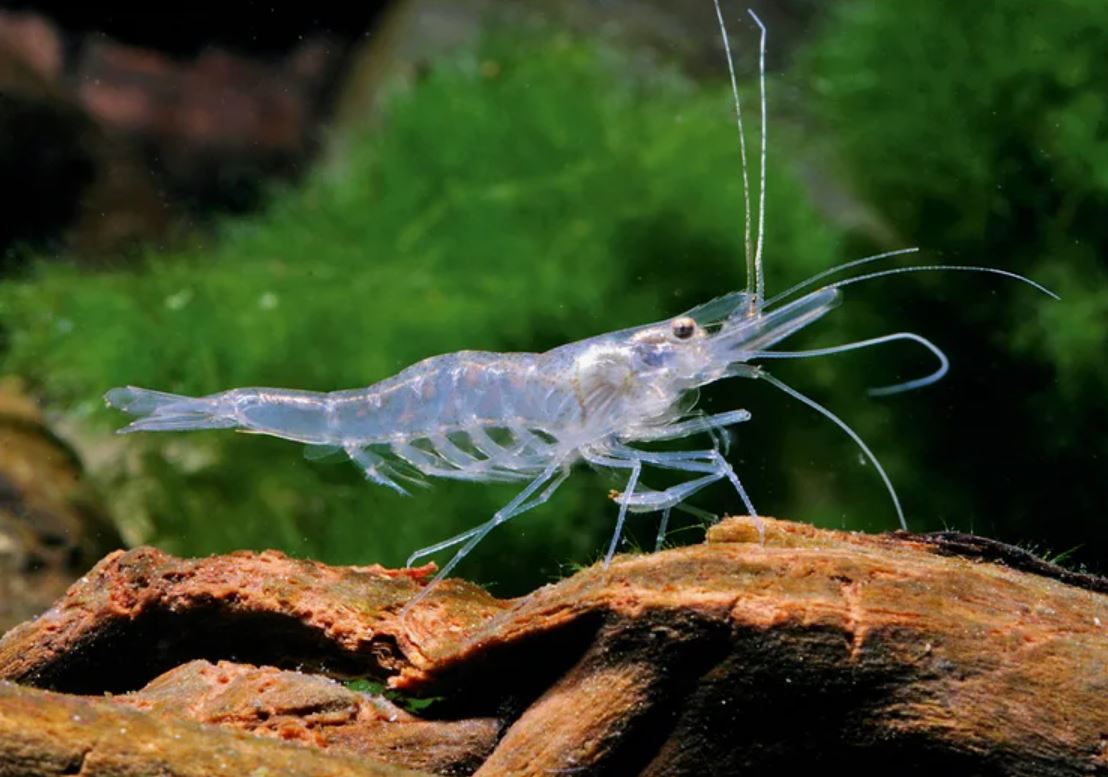
But perhaps the most astonishing discovery of recent years is the British cave shrimp (Niphargus glenniei). A blind, ghostly-pale creature that inhabits damp rock crevices and temporary pools in dank caves. She never saw sunlight and adapted to life in complete darkness, rendering her eyes useless. James Harding-Morris, author of a book on endemic species, admits that these shrimp are his personal favorites, and he was willing to crawl through tight, muddy tunnels just to encounter them.