
For many participants, wild swimming is not a sport, but therapy. In a culture where it’s customary to keep a straight face and not complain, icy water becomes a license to express emotions. You can scream, laugh, cry, and all of this will be accepted as a normal reaction to the cold. Wild swimmers’ communities often become the support network they lack in everyday life. This is especially important for middle-aged men, who have the highest suicide rate in Britain.
Advertising
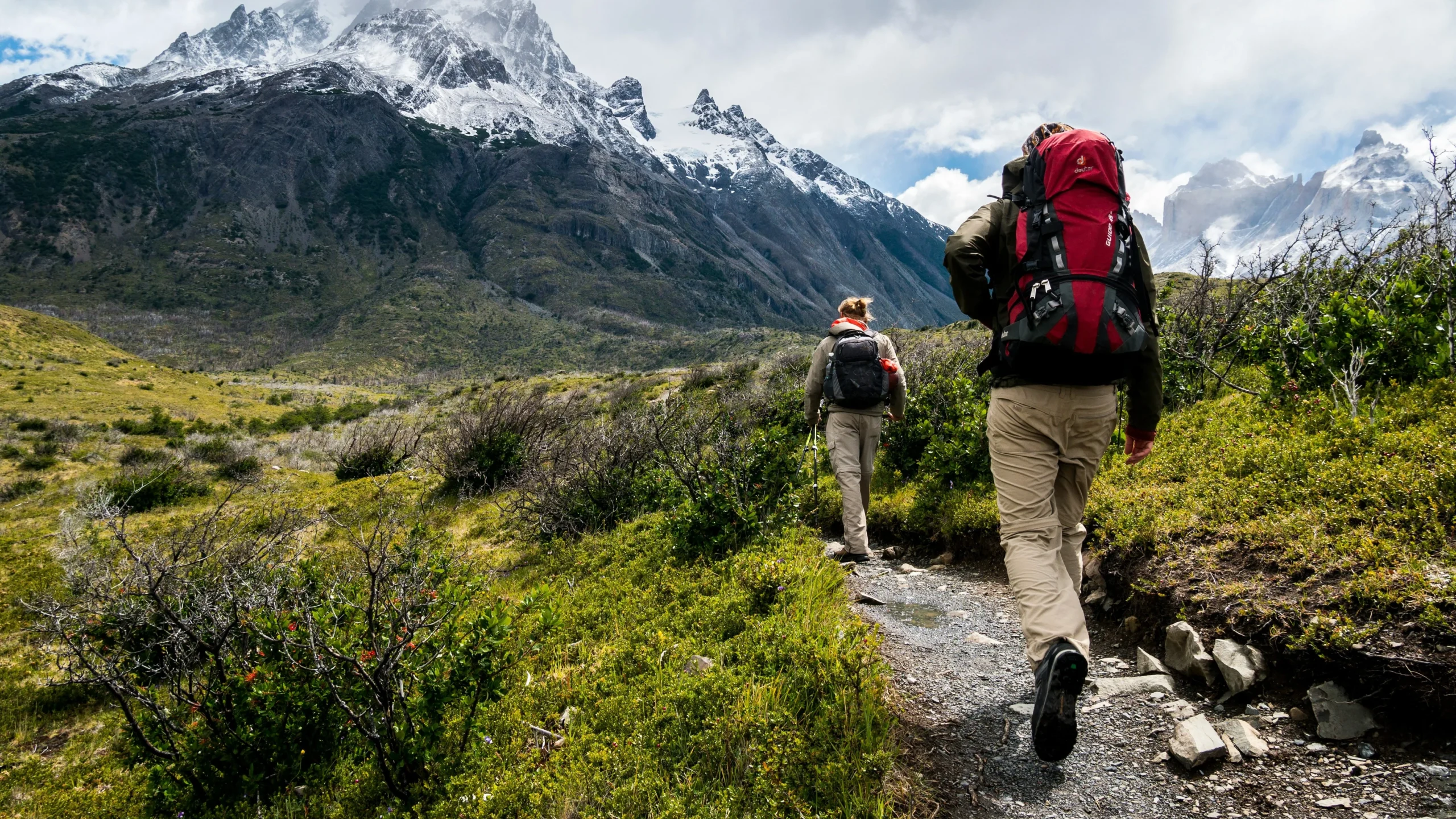
Hiking and wild swimming require a certain amount of training and knowledge, and here British amateur culture is in full force. There are dozens of books and websites dedicated to routes, navigation, and safety. Traditional organizations, such as The Ramblers (founded in 1935), continue to play an important role, advocating for walkers’ rights and organizing group outings. For beginners, there are mentoring programs where experienced hikers teach map reading, gear selection, and risk assessment.
British hiking gear is a culture unto itself. Given the changeable weather, layering is elevated to an art form. UK-based brands like Rab, Mountain Equipment, and Keela understand local conditions better than anyone. Knowing how to choose the right waterproof jacket that won’t turn you into a greenhouse and shoes that can withstand muddy trails is a source of pride. Many British hikers wear their gear for years, repairing it rather than replacing it, which is both cost-effective and environmentally responsible.
For families with children, hiking is becoming an alternative to screen time. National parks offer “trail packs” for children, complete with activities, treasure maps, and educational elements. Many schools include hiking and expeditions in their curriculum, especially in preparation for the Duke of Edinburgh’s Award—a program that has been instilling a love of active recreation and independence in young British students for decades. Children who grow up with such experiences are less likely to suffer from anxiety and have better spatial reasoning.
The popularity of active recreation also creates problems. Overcrowding on popular routes on weekends, parking congestion, and damage to nature have become real challenges. Organizations like the National Trust and Forestry England are calling for responsible behavior: staying on paths in sensitive areas, cleaning up after dogs, not leaving litter, and, of course, observing fire safety regulations. The “Leave No Trace” movement has emerged, teaching how to minimize impact on nature.
The future of active recreation in Britain lies in a balance between accessibility and conservation. New national parks are planned, existing ones are being expanded, and public transport to popular routes is being improved. There is also a growing interest in “micro-adventures” – short but intense outings into nature.