
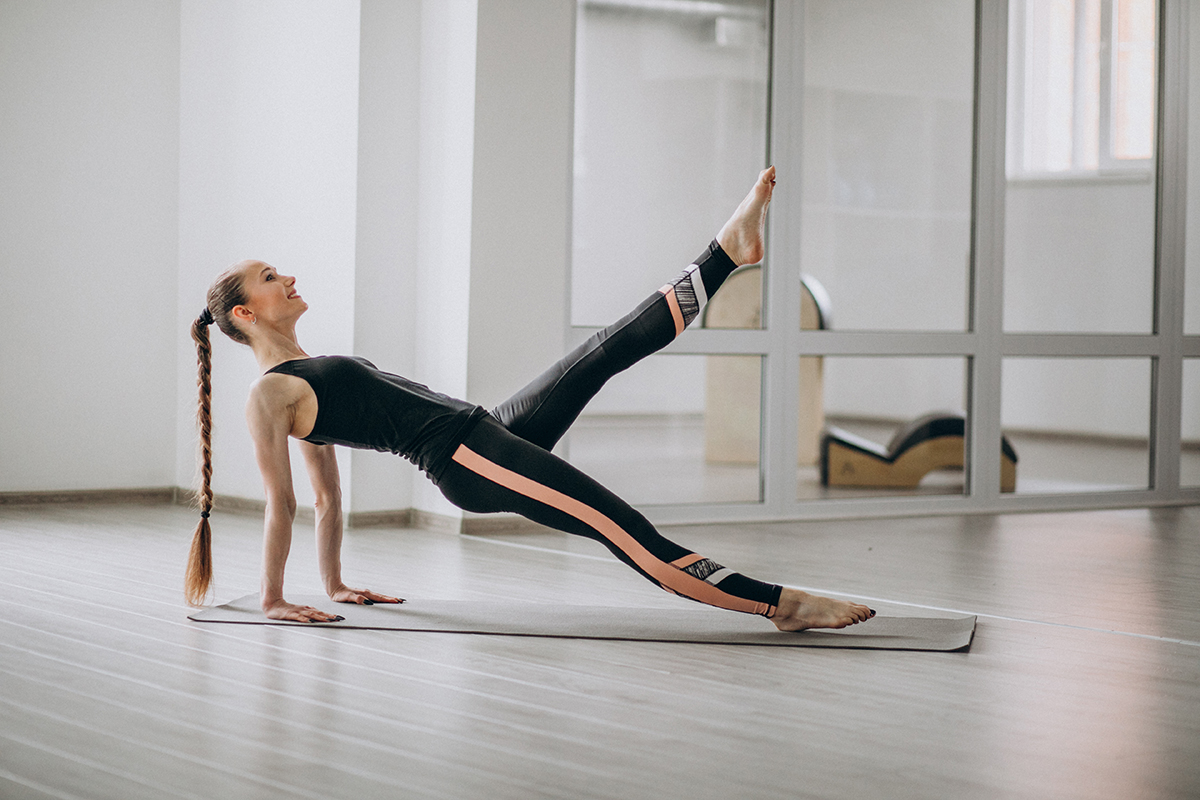
However, the mass stretching movement is happening not in expensive studios, but in the homes of British people. Platforms like YouTube and Instagram are flooded with instructors offering free routines. British fitness bloggers like The Body Coach Joe Wicks have incorporated stretching and mobility into their programs, recognizing that this is key to preventing injuries among amateurs. Analytics show that search queries like “stretching for beginners” and “daily mobility routine” have grown by 300% in the UK over the past three years.
Advertising
Yoga certainly remains an important part of flexibility culture, but modern stretching is different. Yoga often includes a meditative and spiritual component, while functional stretching focuses solely on anatomy and biomechanics. This makes it more accessible to skeptical men and those seeking “purely physical” results. Fitness clubs across Britain now offer classes called “Functional Stretching” or “Mobility Flow,” which draw full houses.
Stretching is especially important for runners, and running is a national passion for the British. The traditional belief that static stretching before a run is harmful has been confirmed by research. Instead, runners switch to dynamic warm-ups (lunges, swings, and circuits) and post-run stretching, focusing on the calves, hamstrings, and hip flexors. Many marathon clubs now include mandatory mobility sessions in their training plans, which has significantly reduced the incidence of injuries among amateurs.
For office workers, stretching has become a survival tool. The concept of “desk stretching”—short sessions that can be performed right in the office—is gaining popularity. Large corporations, including British banks and tech companies, are inviting mobility instructors for group classes or incorporating stretching into employee wellness programs. Five minutes of neck and back stretching in the middle of the workday can prevent the development of chronic pain, which is one of the leading causes of sick leave in the country.
The scientific evidence supporting the effectiveness of stretching is constantly expanding. Research shows that regular stretching improves not only flexibility, but also circulation, sleep quality, stress levels, and even cognitive function. For those aged 50+, stretching is becoming critical: it helps maintain independence, prevent falls, and maintain quality of life. It’s no coincidence that sales of foam rollers and other self-massage tools are growing in the UK.
The future of stretching in Britain lies in technology. AI-powered apps are emerging that analyze your flexibility through your phone’s camera and offer personalized programs. Smart yoga mats and stretching mats with pressure sensors are appearing on the market. However, even in the digital age, the core principle remains unchanged: stretching is a conversation with your body, the ability to listen to it.