
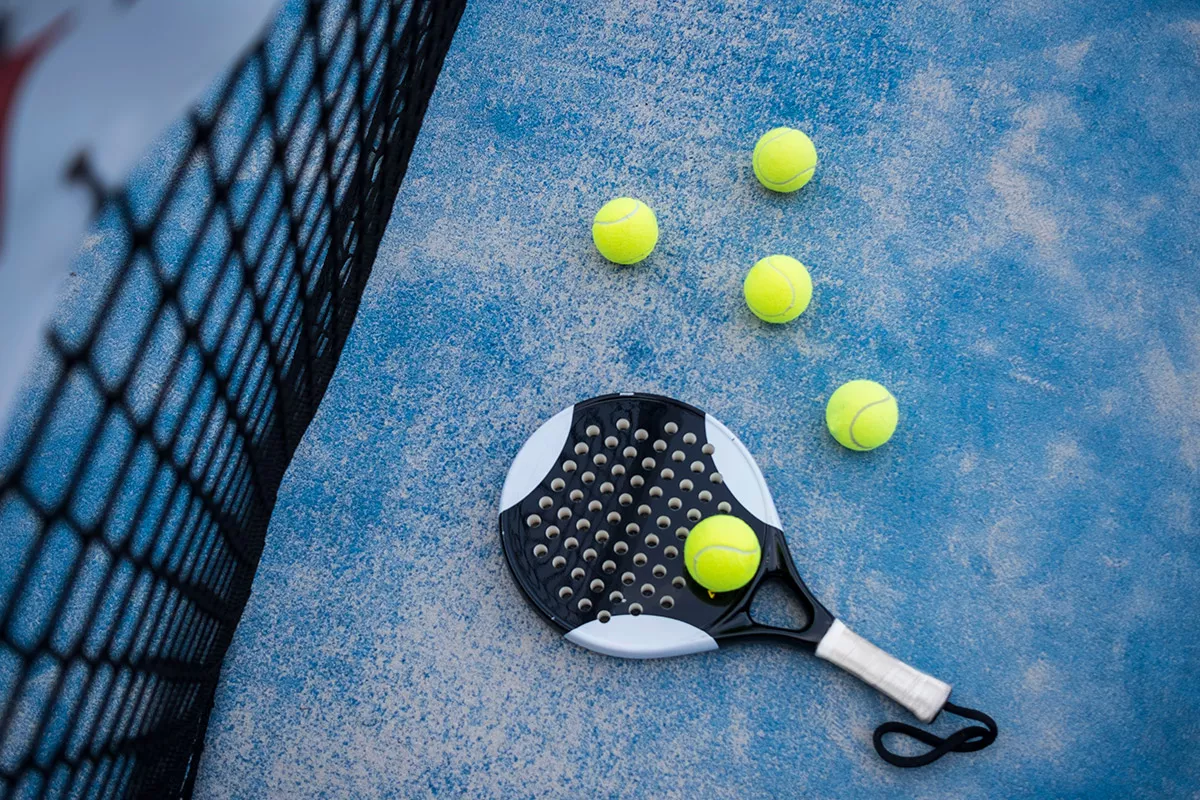
Technically, padel offers a unique balance between physical exertion and tactical depth. You have to run a lot, but these are short sprints—the perfect interval workout. At the same time, the game requires constant thinking: use the wall or play straight, attack or give up the initiative, play for elimination or wait for the opponent to make a mistake. This makes padel intellectually engaging, even for those who don’t consider themselves “sporty.”
Advertising
The competitive padel scene in the UK is rapidly developing. Amateur leagues (LTA Padel Leagues) attract thousands of players across the country, with ranking systems and tournaments at various levels. For those looking to progress, there’s a path from local competitions to national championships. At the same time, the atmosphere at amateur tournaments remains friendly: aggressive intensity is rare, with more common smiles and shared post-match analysis.
Padel has become a godsend for parents. Children can start playing as young as 6 or 7 years old, and many clubs offer group lessons for juniors. The doubles format teaches teamwork and communication, and rapid progress maintains motivation. Teenagers who have avoided traditional sports often take to padel precisely because it allows them to be part of a team rather than standing alone on a tennis court. Many schools are already incorporating padel into their physical education curriculum.
There’s also criticism. Environmentalists and local residents in some areas are opposed to the construction of new courts in parks, fearing noise and the loss of green space. The price is also rising: an hour of play during prime time in central London can reach £70–80, making padel an elite pastime for many. However, padel advocates point out that the cost is falling as the number of courts increases, and morning and afternoon slots remain affordable.
Doctors and physiotherapists are increasingly recommending padel as an ideal activity for middle-aged adults. It offers low-impact cardio, develops coordination and reaction time, and has a social component, which is critical for mental health. In an age where we spend 8–10 hours sitting at computers, padel offers an effective and enjoyable way to compensate for physical inactivity.
The future of padel in the UK looks bright. The sport is included in the 2028 Olympic Games in Los Angeles, which will inevitably attract even more attention and investment. Indoor centers with dozens of courts are being built in Britain, and academies for children and adults are opening.