
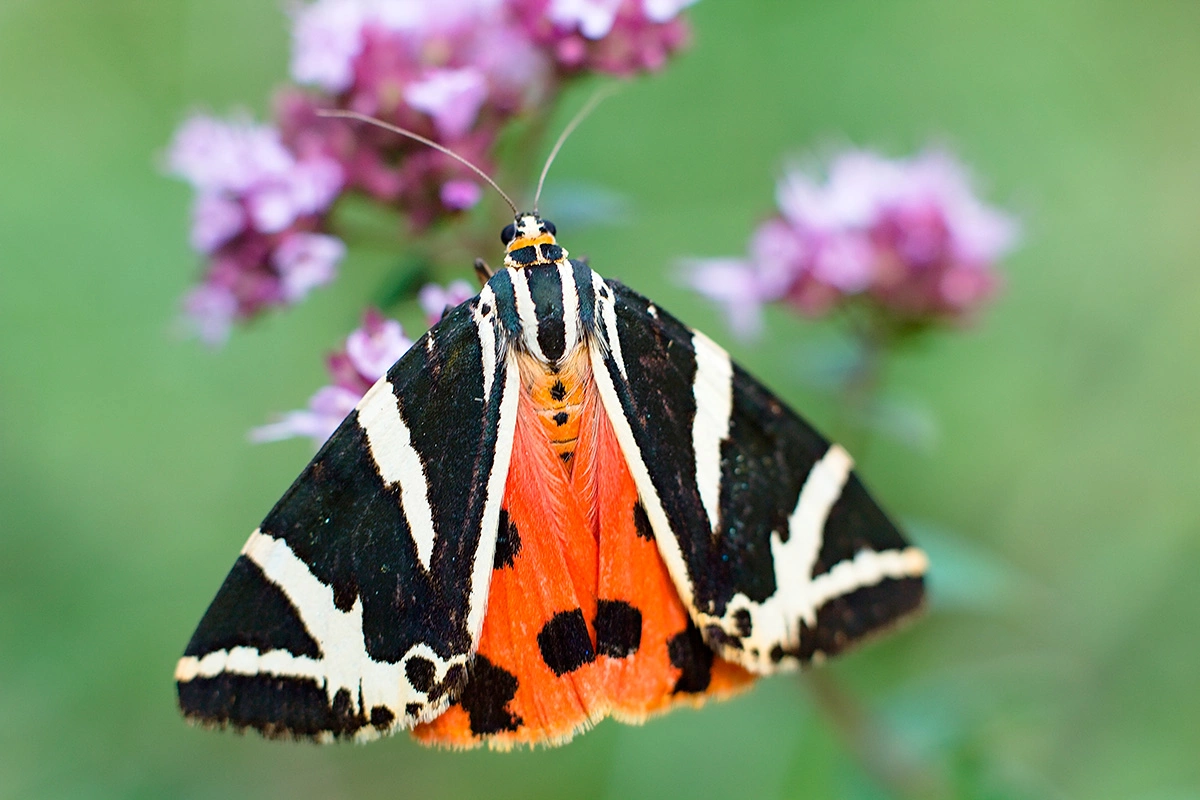
The success of the Large Blue has become a template for other projects. The High Brown Fritillary, once considered nearly extinct, has been downgraded from “critically endangered” to “endangered.” The Pearl-bordered Fritillary and the Duke of Burgundy have both improved their status from “endangered” to “vulnerable.” These successes demonstrate a key principle: when we work deliberately to restore habitats and manage areas, nature reciprocates.
Advertising
The Butterfly Conservancy and its partners employ a range of methods, including grazing abandoned meadows to restore forbs, creating corridors between fragmented forest areas, and selective felling to create a mosaic of microhabitats. Volunteers also play a vital role. The annual Big Butterfly Count, which involves thousands of Britons, provides scientists with invaluable data on the status of butterfly populations across the country.
Dr. Fox emphasizes that time is running out, but action is essential: “Without action, these species are likely to disappear from the British Lowlands forever.” But Butterfly Conservation is taking serious steps to improve key habitats and reduce the extinction risk of many species. Work is underway across the country, from protected reserves to farmland, where butterfly-friendly agro-ecological schemes are being implemented.
For the average gardener, a significant and simple contribution to saving butterflies can be made. Leaving a patch of stinging nettles untouched isn’t laziness; it creates a habitat for the caterpillars of the peacock butterfly and the red admiral. Planting nectar-rich flowers that bloom at different times of the season, avoiding pesticides, and allowing the lawn to become a little more “wild”—all of this transforms the British garden into a haven for vulnerable species.
The history of British butterflies teaches us that environmental pessimism is unproductive. Yes, the situation is grave, and half of our species are threatened. But the example of the Arion blue and other species shows that even after complete extinction, a comeback is possible. This requires scientific knowledge, political will, funding, and, equally important, public engagement. Every time we take a butterfly identification guide to our garden or support conservation organizations, we become part of this story of hope.