
When we talk about endangered species, images of African rhinos or Asian tigers usually come to mind. However, few residents of Foggy Albion realize that the drama of extinction is unfolding right under our noses. In 2020, the first official Red List of Mammals in the UK was published, and its results were shocking: 11 of the 47 mammal species native to the British Isles are critically endangered, with another five species considered “endangered.” This means that more than a quarter of our native fauna is teetering on the brink of extinction.
Advertising
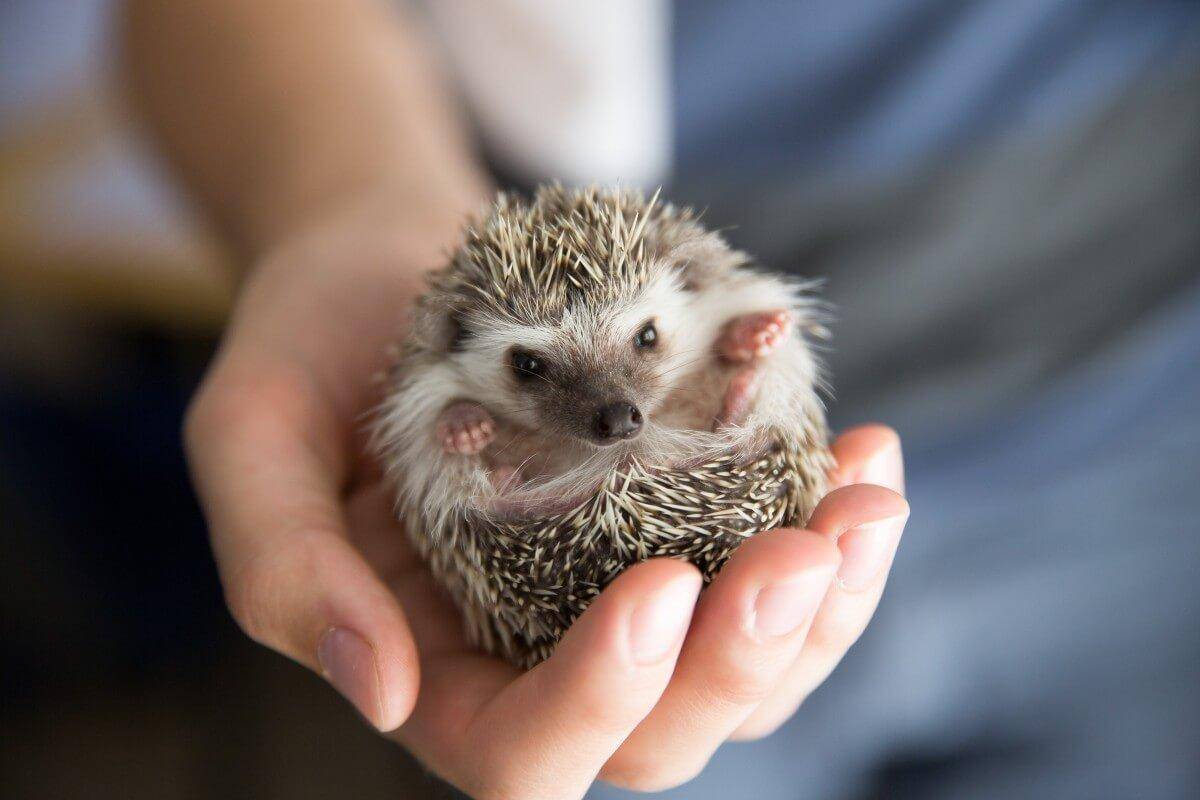
Among those included on this alarming list are our beloved garden guests—hedgehogs. The once-common sight of a spiky lump curled up in the twilight is becoming increasingly rare. The decline of hedgehog populations is a classic combination of anthropogenic factors: agricultural intensification, the destruction of hedgerows that serve as their natural highways, and, of course, traffic. Hedgehogs’ neighbors on the list are water voles, whose numbers have fallen catastrophically due to habitat loss and predation by introduced American minks.
The Red List, compiled by the Society for the Study of Mammals and endorsed by the International Union for Conservation of Nature, revealed a surprising fact: the causes of decline for different species vary, but the root cause is common. Wildcats (Scottish wildcats), pine martens, and beavers were once hunted en masse by hunters and landowners. Bats and hazel dormice (adorable little creatures that have become symbols of conservation efforts) were devastated by the loss of old-growth forests and traditional forestry practices.
Professor Fiona Matthews of the University of Sussex, one of the compilers of the Red List, spoke with the bluntness characteristic of British science: “While we mourn the decline of wildlife diversity in other parts of the world, here in the UK we have managed to push even rodents to the brink of extinction.” This observation is particularly poignant in relation to the Orkney voles, a unique subspecies found only on the Orkney Islands and affected by both habitat degradation and the introduction of non-native species.
A special category is made up of species that are already extinct or are on the verge of extinction. The European wolf is officially declared extinct in the UK, and its story serves as a grim reminder of how quickly humans can destroy even the most formidable predator. Several bat species are on the “critically endangered” list, including the rare horseshoe bat, whose colonies now number only dozens of individuals across the country.