
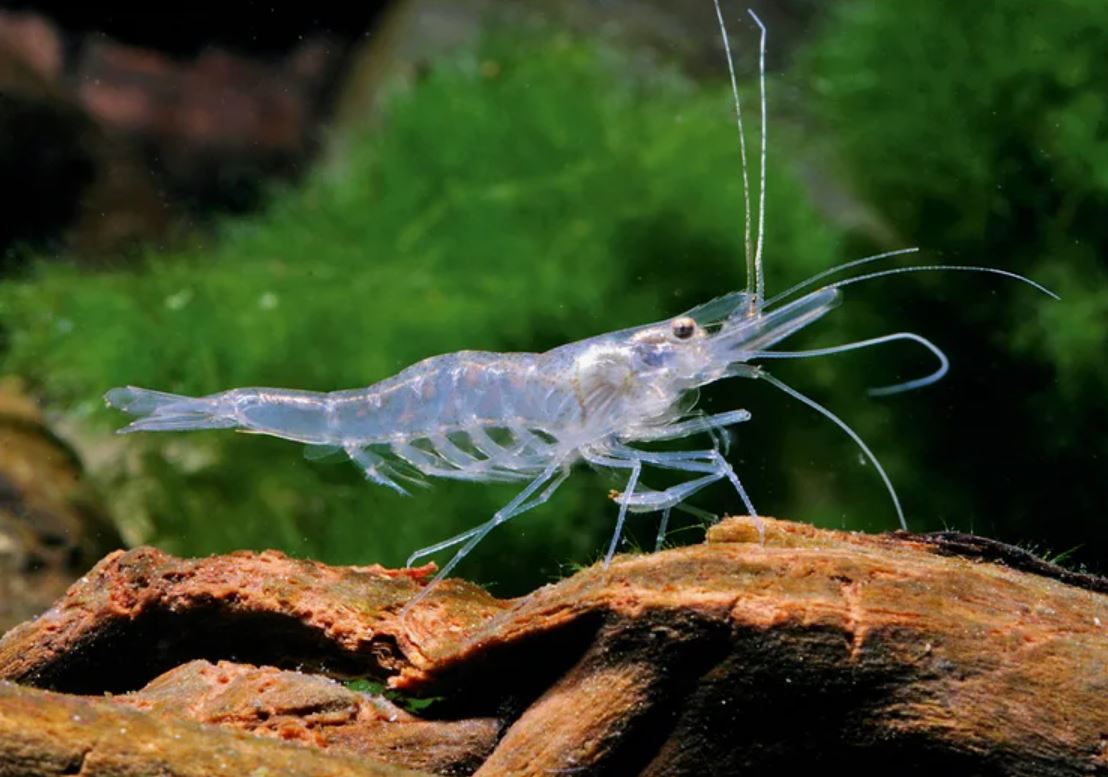
Unfortunately, not all of our endemic species can boast such attention. The Ivellian anemone (Edwardsia ivelli), discovered in Widewater Lagoon in Sussex in 1973, had disappeared by 1983. It took only a decade for it to be discovered and then vanished forever. The dancing fly Poecilobothrus majesticus, discovered in Essex in 1907, hasn’t been seen by scientists for over a century. The Calydonian leafhopper (Cixius caledonicus) hasn’t appeared for 70 years, and the shearwater flea (Ceratophyllus fionnus) disappeared shortly after it was first described in the 1960s. These stories are a wake-up call to how easily we can lose something we haven’t even had time to recognize.
Advertising
Why are these species remaining in the shadows? Buglife, the organization that first compiled a comprehensive report on Britain’s endemic invertebrates, highlights the paradox: “Some of Britain’s most important species—those found nowhere else on the planet—are also the least studied.” Unlike the red deer or the red squirrel, a tiny earthworm or a humble woodlouse doesn’t make the pages of glossy magazines, yet their extinction would be irreversible.
Conservation work for these species is underway, often quietly and without widespread publicity. Buglife, for example, has made a huge effort to protect the Horrid Ground-weaver spider in Plymouth, which is restricted to just a few sites and is constantly threatened by development. This spider owes its survival to the tenacity of conservationists who literally defend its habitat by hand.
For ordinary people, learning about endemic species can begin with the simple realization that every walk along the British coastline or forest is a walk through an area home to species found nowhere else. Supporting organizations dedicated to invertebrate conservation, participating in citizen science projects to monitor species, and even simply spreading information about these amazing creatures are all contributions to their conservation.