
Author

Thomas Williams

Advertising

When we talk about endangered species, images of African rhinos or Asian tigers usually come to mind. However, few residents of Foggy Albion realize that the drama of extinction is unfolding right under our noses. In 2020, the first official Red List of Mammals in the UK was published, and its results were shocking: 11 of the 47 mammal species native to the British Isles are critically endangered, with another five species considered “endangered.” This means that more than a quarter of our native fauna is teetering on the brink of extinction.

Among those included on this alarming list are our beloved garden guests—hedgehogs. The once-common sight of a spiky lump curled up in the twilight is becoming increasingly rare. The decline of hedgehog populations is a classic combination of anthropogenic factors: agricultural intensification, the destruction of hedgerows that serve as their natural highways, and, of course, traffic. Hedgehogs’ neighbors on the list are water voles, whose numbers have fallen catastrophically due to habitat loss and predation by introduced American minks.

The Red List, compiled by the Society for the Study of Mammals and endorsed by the International Union for Conservation of Nature, revealed a surprising fact: the causes of decline for different species vary, but the root cause is common. Wildcats (Scottish wildcats), pine martens, and beavers were once hunted en masse by hunters and landowners. Bats and hazel dormice (adorable little creatures that have become symbols of conservation efforts) were devastated by the loss of old-growth forests and traditional forestry practices.

Professor Fiona Matthews of the University of Sussex, one of the compilers of the Red List, spoke with the bluntness characteristic of British science: “While we mourn the decline of wildlife diversity in other parts of the world, here in the UK we have managed to push even rodents to the brink of extinction.” This observation is particularly poignant in relation to the Orkney voles, a unique subspecies found only on the Orkney Islands and affected by both habitat degradation and the introduction of non-native species.

A special category is made up of species that are already extinct or are on the verge of extinction. The European wolf is officially declared extinct in the UK, and its story serves as a grim reminder of how quickly humans can destroy even the most formidable predator. Several bat species are on the “critically endangered” list, including the rare horseshoe bat, whose colonies now number only dozens of individuals across the country.

Pages: 1 2

Traveling has become more expensive, but that doesn’t mean you should give it up. Experienced British travelers know that the right tools and habits can cut travel costs by 30-50% without sacrificing quality. It’s not about slashing costs on everything, but rather stopping overpaying for things you can get for less or even for free. We’ve compiled a collection of proven life hacks that work whether you’re flying to Europe, Asia, or staying within the country.

Let’s start with airfare—the biggest expense. The main rule: never search for tickets on Friday evenings or Sundays—airline algorithms raise prices on these days. The best time to search is Tuesday or Wednesday around 3 a.m. UK time, when systems update fares. Use incognito mode or clear your browser cache—many websites increase prices on repeat visits. Subscribing to airline newsletters (especially Ryanair, easyJet, Jet2, and Wizz Air) allows you to learn about sales several hours before they’re reported in the media.

Flexibility with your departure airports can yield huge savings. If you live in London, don’t limit yourself to Heathrow and Gatwick—check Stansted, Luton, and even Southend. The price difference for the same flight can be £100–£150. For those living in other regions, consider flying from Birmingham, Bristol, Manchester, or Edinburgh, and consider low-cost carriers that frequently fly from secondary airports. Sites like Skyscanner allow you to search “everywhere”—this can help you find surprisingly cheap tickets to destinations you might not have considered before.

Accommodation is the next big thing. Booking platforms (Booking, Airbnb) often show different prices depending on your device. Try searching on your computer, phone, and tablet—sometimes mobile users find lower prices. It’s also worth booking directly with the hotel: many small guesthouses offer a 5-10% discount for waiving intermediary fees. For longer stays (28 days or more), Airbnb and Booking automatically apply significant discounts, and you can negotiate further price reductions with the host, especially during low season.

Pages: 1 2

Advertising

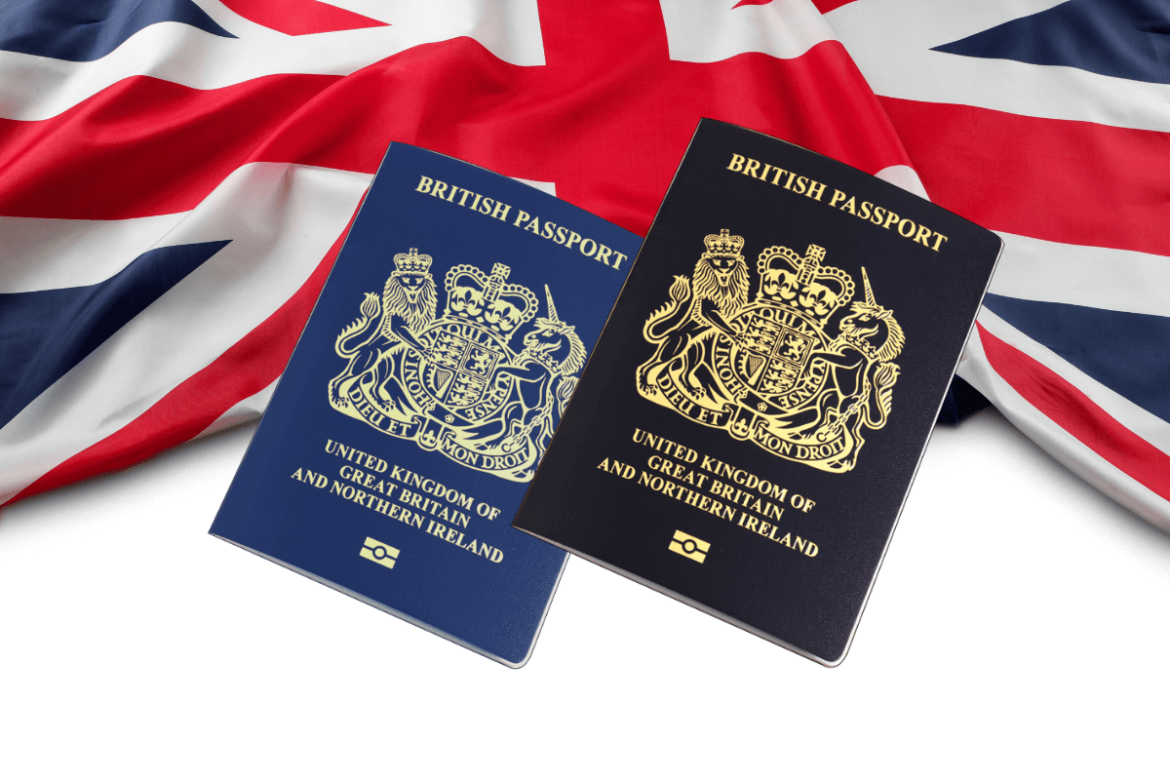
Since the UK’s exit from the European Union, border crossing rules for British citizens have changed dramatically, and many of these changes still cause confusion. The most important thing to understand is that the British passport remains one of the most powerful in the world in terms of visa-free travel, but its use now requires greater attention to detail. Passport validity has become critical: for travel to EU countries, as well as Iceland, Norway, and Switzerland, a passport must be issued no more than 10 years ago on the date of entry and be valid for at least three months beyond the intended date of departure. Many British citizens have already been denied boarding because their passports, while technically valid, did not comply with these new rules.

The Schengen Area, as mentioned earlier, allows British citizens to stay for up to 90 days in any 180-day period. This rule applies to the total stay in all Schengen countries, and it’s best to track it using the official calculator on the European Commission website. A common mistake is to assume that the 90 days reset after leaving one country, but in fact, the countdown is staggered. Those planning long trips or working remotely often use the “three months in Schengen, then three months outside” strategy—for example, in Croatia (which joined Schengen in 2023, but the rules remain the same for British citizens), the Balkans, or Turkey.

For those who want to travel longer or more frequently, there are national visas for individual countries. For example, France and Spain issue long-term tourist visas (visa de long séjour or national visa), allowing stays of more than 90 days, but these require submission of documents to the consulate and often proof of financial solvency. Another option is residency in an EU country, which can be obtained through owning property, working remotely, or studying. Such programs are becoming increasingly popular among many British retirees and digital nomads.

Pages: 1 2

Domestic tourism in the UK is experiencing a veritable renaissance. Since the pandemic, millions of Britons have rediscovered the beauty of Cornwall, the Scottish Highlands, and the Welsh national parks. But along with popularity, prices have also risen: finding accommodation in St. Ives or Lake Windermere without breaking the bank in the summer has become a real quest. However, it’s possible to travel the UK without breaking the bank—all you need to know are a few tried-and-true life hacks and be prepared for seasonal flexibility.

One of the biggest mistakes is booking accommodation during peak season. School holidays, bank holidays, and August in general make the Dorset and Cornwall coastlines a hotspot. If you can shift your trip to May, September, or even October, you’ll not only save 30-50% on accommodation but also find less crowded beaches and trails. Indian summer in Britain has become increasingly predictable in recent years, and September often offers weather just as good as July.

An alternative to traditional hotels and Airbnbs are campsites and glamping sites. The Camping and Caravanning Club network and independent farm campsites offer pitches for £15-25 per night per tent, often with excellent amenities. For those who aren’t comfortable sleeping on the ground, glamping sites—yurts, dome tents, or converted caravans—are popular. They offer a sense of privacy and are often located in picturesque locations away from the crowds. Many such sites are booked through platforms like Cool Camping or Canopy & Stars.

Another way to drastically reduce costs is to use public transport instead of driving. Train tickets in Britain are notoriously expensive, but there are ways to reduce them. Split ticketing—buying multiple tickets for different sections of your journey instead of a single through ticket—can save you up to 50%. Websites like TrainSplit do this automatically. Additionally, the Two Together Railcard or Network Railcard (for the southeast) pays for itself after just one trip.

For trips to remote regions, such as the Northwest Highlands of Scotland or the Outer Hebrides, it’s worth combining train and ferry. Caledonian MacBrayne (CalMac) package deals allow you to combine ferry and bus travel, and sometimes even accommodation, for a lower price than booking separately. For the Isles of Sealy and Jersey, keep an eye on ferry operator sales—tickets purchased two to three months in advance can be two to three times cheaper than last-minute deals.

Pages: 1 2

Advertising

After several years of the pound’s exchange rate causing anxiety among travelers, the currency market situation has opened up new opportunities for those willing to venture further afield. There are a number of destinations where the British pound now has strong purchasing power, while the quality of life, natural beauty, and service remain top-notch. The key is to know where to look and budget wisely. It’s not about compromise, but about wisely using exchange rate differences.

Turkey is a classic example. In recent years, the lira has weakened significantly against the pound, and even premium hotels in Antalya or Bodrum offer attractive prices in sterling. But the real winners are those willing to explore the country on their own: domestic flights are a steal, meals in traditional lokanta (canteens) cost £3-5, and entrance fees to Ephesus or Cappadocia are several times cheaper than similar European attractions. Plus, in 2024, Turkey simplified the e-visa process for British citizens, which can be processed online in just a couple of minutes.

Egypt, especially Hurghada and Sharm el-Sheikh, also remains a budget favorite. Package tours from Manchester or Gatwick are often cheaper than independent accommodation in Europe, especially if booked all-inclusive. But independent travelers can also save money: local food (foul, kush), taxis through apps like Uber, and small guesthouses in Luxor or Aswan can all cost around £30–40 per person per day. Just be sure to have some cash in pounds or dollars, as local ATMs may charge a commission.

South Africa is another option, where the weak rand makes vacations surprisingly affordable. Safaris in national parks like Kruger can be organized independently, renting a budget car and staying in campsites within the park. The wine regions around Cape Town offer world-class tastings for the price of a cup of coffee in London. British Airways and Virgin Atlantic also frequently offer sales on flights to Johannesburg and Cape Town, and connecting flights via Istanbul or Doha can save up to 40% on direct tickets.

Pages: 1 2

For millions of UK residents, short European trips have long been part of their lifestyle: flying from Gatwick or Stansted to Barcelona, ​​Prague, or Amsterdam on Friday evening and returning on Sunday is a familiar ritual. However, after the end of the transition period, the rules changed, and now even a casual weekend in Paris requires understanding the new visa regulations. The good news: Britons still don’t need a visa to enter Schengen countries for short-term tourist trips (up to 90 days within any 180-day period). However, the number of days is now strictly limited, and accidentally exceeding the limit is easier than it seems—especially if you like to combine trips to Spain, Italy, and Greece.

From 2024, the entry process into the EU for Britons will become more formalized. Border guards can now stamp passports to record entry and exit dates, and any overstay can result not only in a fine but also in a future entry ban. This means it’s important to plan your trips in advance using simple Schengen day calculators—they’re easily found on websites like Schengen Visa Info. For those who travel frequently or combine travel with work, careful record-keeping has become an essential skill, just like finding cheap tickets.

The implementation of the European Entry-Exit System (EES) and the European Travel Authorization System (ETIAS) is on the horizon. EES will replace manual stamps with biometric registration, and ETIAS, expected to launch soon, will require Britons to complete an online form and pay a small fee (approximately €7) before traveling. This isn’t a visa, but a simplified permit valid for three years, but it will need to be obtained in advance—adding another step to the usual ticket booking process. Until the system is implemented, Britons continue to travel without it, but it’s worth keeping an eye on official announcements to avoid landing at the plane’s steps without the necessary documentation.

Despite bureaucratic changes, European destinations remain incredibly attractive from a budget perspective. Low-cost carriers like Ryanair, easyJet, and Jet2 continue to expand their route networks, and with the right tactics, you can fly to Krakow or Porto for £20-30 roundtrip. The secret is flexibility: subscribing to airline newsletters, using incognito mode when searching, and being prepared to fly from regional airports (Leeds, Bristol, Edinburgh) often yield prices significantly lower than from capital hubs.

Pages: 1 2

Advertising

Food in the UK has long ceased to be a matter of taste or budget. It has become a central topic of the environmental agenda, from how food is grown to how much we throw away. British agriculture, shopping culture, and eating habits are under pressure to reduce their carbon footprint, support biodiversity, and radically reduce food waste. For the average consumer, this means choosing food becomes an act of conscious responsibility.

Food waste remains one of the most pressing issues. According to WRAP, British households throw away approximately 4.5 million tonnes of edible food annually. This is not only an ethical disaster but also an economic one: the average family loses up to £700 a year on wasted food. In response, apps like Too Good To Go, which allows you to buy “surprise packages” of surplus food from cafes and supermarkets at a reduced price, are growing in popularity. Launched in the UK, this platform has become a true cultural phenomenon, uniting millions of users who take pride in saving food.

Supermarkets are also taking action. Tesco, Sainsbury’s, Morrisons, and Waitrose have signed a pledge to reduce food waste by 50% by 2030. Many have implemented dynamic pricing systems, reducing prices on products nearing their sell-by dates in the evening rather than sending them to landfill. Furthermore, major chains are partnering with charities like FareShare, donating surplus food to shelters and soup kitchens, helping not only the environment but also addressing food poverty.

At the same time, interest in local and seasonal eating is growing. The “shop local” movement gained significant momentum during the pandemic and is now supported by environmental concerns: the shorter the journey food takes from farm to plate, the lower the transport emissions. Farmers’ markets are experiencing a renaissance, and Community Supported Agriculture (CSA) schemes allow city dwellers to sign up for weekly vegetable baskets straight from a nearby farm.

Pages: 1 2

British roads, especially in major cities, have long been a symbol of car dependence. However, in recent years, the transport landscape has changed radically. The introduction of Ultra Low Emission Zones (ULEZs) in London, the expansion of Clean Air Zones (CAZs) in Birmingham, Bristol, and other cities, and the unprecedented rise in popularity of electric cars and e-bikes have created a new reality. For Britons, transport choices are increasingly being made not only based on convenience but also on environmental impact and cost-effectiveness.

London’s ULEZ, which expanded to Greater London in August 2023, has become the most talked-about initiative. For many drivers, especially those with older diesel vehicles, this meant either a daily charge of £12.50 or a replacement vehicle. Despite political controversy and protests, the impact was significant: nitrogen oxide emissions in central London fell by almost 50%, and the number of non-compliant cars in the ULEZ zone fell by tens of thousands. This has forced thousands of families to reconsider their transport habits.

Electric vehicles (EVs) are no longer a niche product. According to the SMMT, one in six new cars sold in the UK will be electric by 2023. Manufacturers are racing to introduce new models, and charging infrastructure is expanding, albeit not without challenges. British drivers, especially those with private parking with home charging options, have appreciated the fuel savings and low running costs. However, for residents of apartment buildings and older areas without dedicated parking, access to charging remains a headache.

The government has committed to ending the sale of new petrol and diesel cars by 2030 (although the target has been adjusted), sending a clear signal to the market. In response, the charging network is expanding: companies like BP Pulse, Gridserve, and Pod Point are building fast chargers on motorways and in city centers. New standards require charging stations to be equipped with contactless payment, removing the barrier of multiple apps.

However, the real transport revolution in Britain is happening on two wheels. Electric bicycles (e-bikes) are experiencing a gold rush-like boom. Rental schemes like Lime and Forest have blanketed London, Manchester, and other cities with thousands of bikes that can be parked anywhere. For short trips of 3-5 miles, e-bikes are often faster than cars during rush hour and significantly cheaper. Moreover, they help bypass traffic jams and restricted access zones.

Pages: 1 2

Advertising

Britain’s housing stock is among the oldest and most energy-inefficient in Europe. Millions of homes built in the Victorian and Edwardian eras have uninsulated brick walls, slatted windows, and gas boilers that have been running for decades. Amid the energy crisis and the push for carbon neutrality by 2050, the green transformation of homes has transformed from a voluntary initiative into a government priority. Today, every discussion about the home is filled with words like “heat pump,” “solar panels,” and “insulation.”

The UK government launched the Boiler Upgrade Scheme, offering grants of up to £7,500 for replacing a gas boiler with an air source or geothermal heat pump. This has been a powerful incentive, although adoption is uneven. The main obstacle is the myths that heat pumps “don’t work in older homes” or are “expensive to operate.” However, modern models designed for high-temperature systems (High Temperature Heat Pumps) can successfully heat even houses with cast-iron radiators, especially if basic insulation is applied before installation.

Insulation remains the most underrated, yet critically important measure. The government’s Great British Insulation Scheme targets low-energy-efficient homes, offering free or subsidized loft and wall insulation. For many Britons facing soaring gas and electricity bills, the investment in insulation has paid for itself in a single winter. Furthermore, it reduces the carbon footprint, as less energy is required for heating.

Solar PV panels are experiencing a renaissance. While ten years ago they were rare and associated with hippies and eco-villages, they can now be seen on the roofs of ordinary townhouses in the suburbs. With the development of energy storage technologies, such as Tesla Powerwall home batteries or systems from GivEnergy, Britons can not only generate electricity but also store it for use in the evenings when tariffs are higher. This is especially relevant with the rise of electric vehicles.

Smart meters are another element of the energy transition that the government is actively promoting. By the end of 2025, they are planned to be installed in most households. A smart meter provides real-time information on how much energy each appliance is consuming and helps adjust behavior. However, public perception remains mixed: many complain about malfunctions in older models or are concerned about data privacy, despite Ofgem’s assurances.

Pages: 1 2

Britain has long been one of the epicenters of mass consumption, particularly in fashion. London’s “fast fashion” dictated trends, and Oxford Street bustled with shoppers clearing out Primark collections in a matter of days. But in the last few years, something has changed. Inflation, climate anxiety, and a cultural shift toward “slow living” have led to conscious consumption no longer being the preserve of a small group of eco-activists but becoming a mainstream trend, especially among millennials and Zoomers.

One of the most striking manifestations of this shift has been the boom in charity shops. Every high street in Britain, from Brighton to Glasgow, boasts shops run by Oxfam, the British Heart Foundation, Cancer Research UK, and local charities. While once seen as places for those on a budget, they are now veritable hubs for fashion-forward shopping. Young people are sharing their vintage ’90s finds on TikTok, and designer pieces at bargain prices are becoming a source of pride. Shopping at a charity shop isn’t just about saving money; it’s an ethical choice that supports charity and extends the life of items.

At the same time, a culture of repair and sharing is gaining momentum. Platforms like Vinted and Depop, which boast millions of followers in the UK, have made selling secondhand clothing a daily occurrence. Going through your closet, photographing items, and putting them up for sale is as common a ritual as cleaning on a Saturday. Moreover, entire communities have formed on these platforms, where people discuss the quality of fabrics, shoe restoration, and exchange tips on how to extend the life of their favorite jackets.

The “capsule wardrobe” phenomenon has found fertile ground in Britain. The changeable climate, which requires layering, naturally encourages a preference for functional, coordinating clothing. Influencers and bloggers like The Anna Edit and other representatives of “British minimalism” have been promoting the idea for years: buying less but better, choosing high-quality natural fabrics and pieces that will last for more than one season. This is the direct opposite of the “wear three times and throw away” model.

Pages: 1 2

Advertising

Advertising