
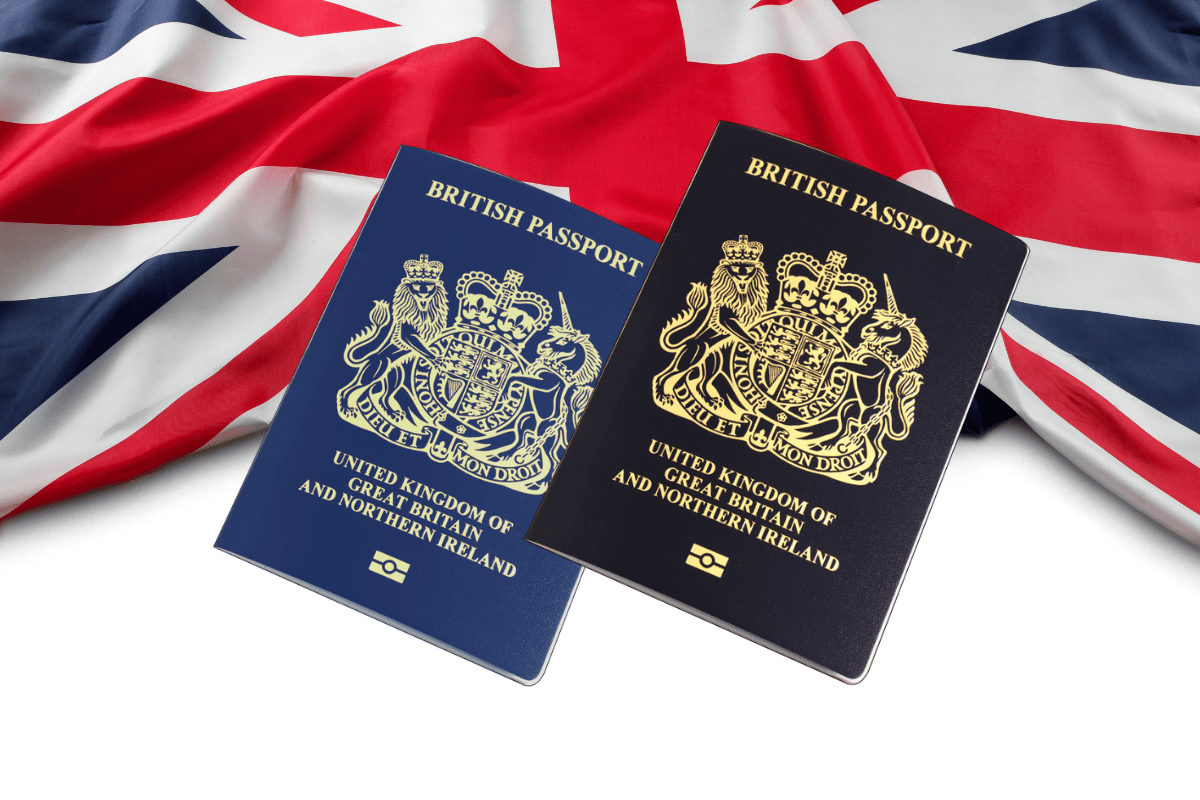
Since the UK’s exit from the European Union, border crossing rules for British citizens have changed dramatically, and many of these changes still cause confusion. The most important thing to understand is that the British passport remains one of the most powerful in the world in terms of visa-free travel, but its use now requires greater attention to detail. Passport validity has become critical: for travel to EU countries, as well as Iceland, Norway, and Switzerland, a passport must be issued no more than 10 years ago on the date of entry and be valid for at least three months beyond the intended date of departure. Many British citizens have already been denied boarding because their passports, while technically valid, did not comply with these new rules.
Advertising
The Schengen Area, as mentioned earlier, allows British citizens to stay for up to 90 days in any 180-day period. This rule applies to the total stay in all Schengen countries, and it’s best to track it using the official calculator on the European Commission website. A common mistake is to assume that the 90 days reset after leaving one country, but in fact, the countdown is staggered. Those planning long trips or working remotely often use the “three months in Schengen, then three months outside” strategy—for example, in Croatia (which joined Schengen in 2023, but the rules remain the same for British citizens), the Balkans, or Turkey.
For those who want to travel longer or more frequently, there are national visas for individual countries. For example, France and Spain issue long-term tourist visas (visa de long séjour or national visa), allowing stays of more than 90 days, but these require submission of documents to the consulate and often proof of financial solvency. Another option is residency in an EU country, which can be obtained through owning property, working remotely, or studying. Such programs are becoming increasingly popular among many British retirees and digital nomads.