
Britain’s housing stock is among the oldest and most energy-inefficient in Europe. Millions of homes built in the Victorian and Edwardian eras have uninsulated brick walls, slatted windows, and gas boilers that have been running for decades. Amid the energy crisis and the push for carbon neutrality by 2050, the green transformation of homes has transformed from a voluntary initiative into a government priority. Today, every discussion about the home is filled with words like “heat pump,” “solar panels,” and “insulation.”
Advertising
The UK government launched the Boiler Upgrade Scheme, offering grants of up to £7,500 for replacing a gas boiler with an air source or geothermal heat pump. This has been a powerful incentive, although adoption is uneven. The main obstacle is the myths that heat pumps “don’t work in older homes” or are “expensive to operate.” However, modern models designed for high-temperature systems (High Temperature Heat Pumps) can successfully heat even houses with cast-iron radiators, especially if basic insulation is applied before installation.
Insulation remains the most underrated, yet critically important measure. The government’s Great British Insulation Scheme targets low-energy-efficient homes, offering free or subsidized loft and wall insulation. For many Britons facing soaring gas and electricity bills, the investment in insulation has paid for itself in a single winter. Furthermore, it reduces the carbon footprint, as less energy is required for heating.
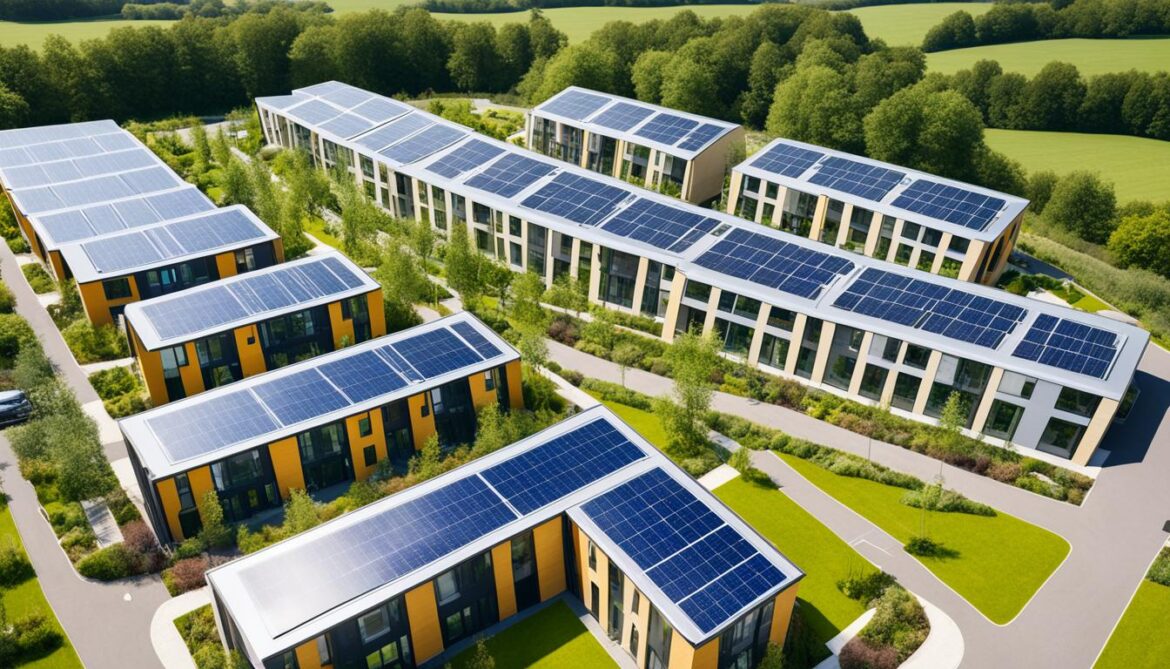
Solar PV panels are experiencing a renaissance. While ten years ago they were rare and associated with hippies and eco-villages, they can now be seen on the roofs of ordinary townhouses in the suburbs. With the development of energy storage technologies, such as Tesla Powerwall home batteries or systems from GivEnergy, Britons can not only generate electricity but also store it for use in the evenings when tariffs are higher. This is especially relevant with the rise of electric vehicles.
Smart meters are another element of the energy transition that the government is actively promoting. By the end of 2025, they are planned to be installed in most households. A smart meter provides real-time information on how much energy each appliance is consuming and helps adjust behavior. However, public perception remains mixed: many complain about malfunctions in older models or are concerned about data privacy, despite Ofgem’s assurances.