
As for sports trackers, Garmin continues to dominate the outdoor segment. Given the British love of hiking (Lake District, Peak District, and the Scottish Highlands), the Fenix and Epix models have become the standard for wilderness survival. Topographic maps built directly into the watches, solar charging, and impressive battery life (up to 30 days) make them indispensable for those spending weekends far from civilization, where fog and rain can catch you off guard.
Advertising
The integration of AI into wearables is reaching a new level. New algorithms don’t just count steps; they analyze heart rate variability (HRV) in the context of external factors: weather, city noise levels, and even air quality. This is crucial for asthmatics, of whom there are approximately 5.4 million in the UK. The watch can warn you that pollution levels in central London are high today and recommend taking your inhaler before leaving the house.
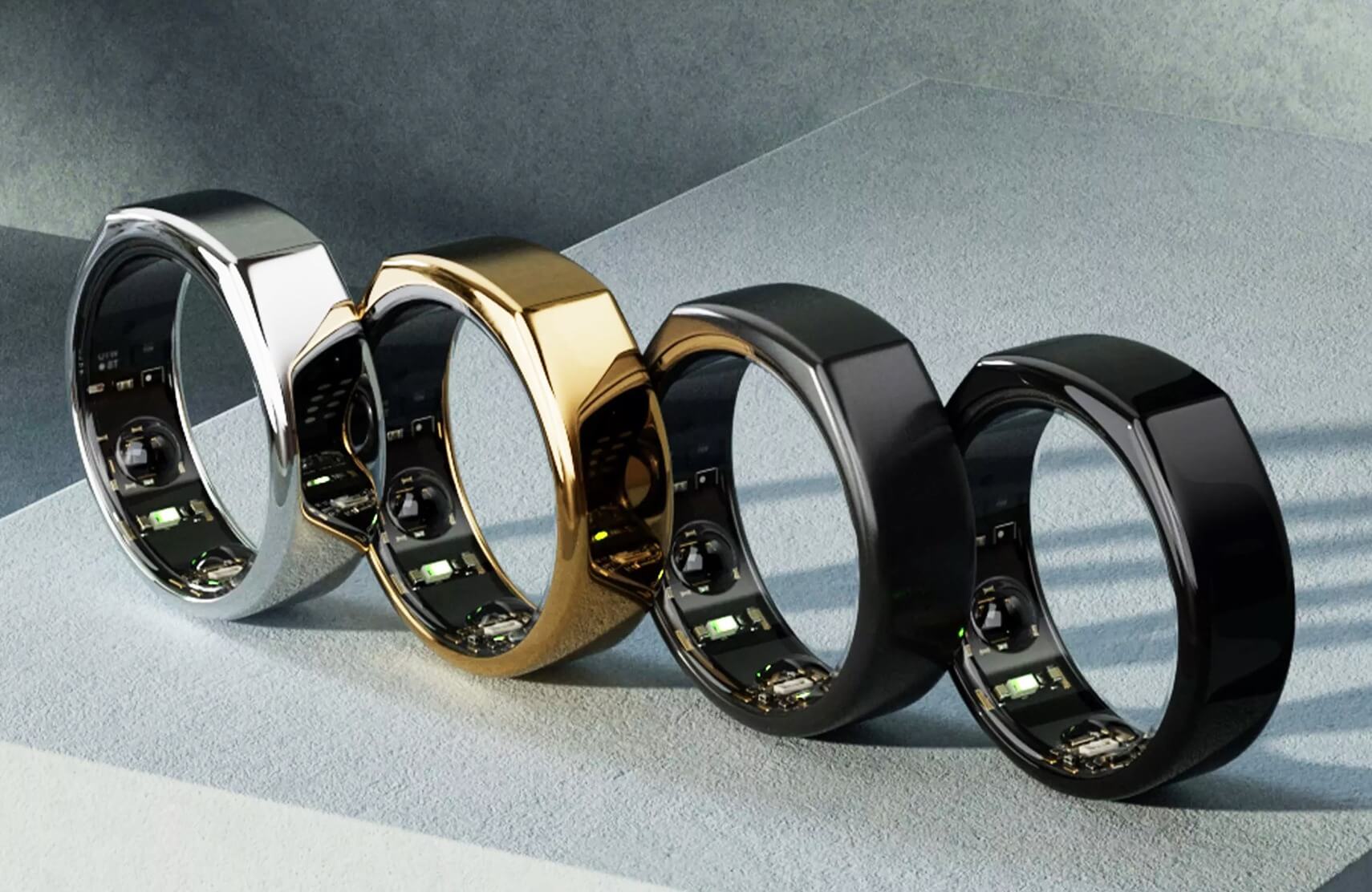
Battery life remains an issue, especially with the Apple Watch. British users, accustomed to “charging as a daily ritual,” often complain about their watches running out of battery at the most inopportune moments (for example, during a long train ride). This is where rings and hybrid watches (Withings ScanWatch) have an advantage: they last for weeks. For those tired of “charging anxiety,” switching to a hybrid watch is a conscious choice in favor of minimalism.
The wearable accessories market in the UK is also huge. The British, renowned for their sense of style, demand customization. Demand for British leather straps (for example, from local brands like Bandwerk) or fabric options for the office is growing exponentially. Watches are no longer just gadgets; they have become accessories reflecting social status and attention to detail, which is an important non-verbal communication in British society.
Looking ahead: the next revolution in wearable technology will involve non-invasive glucose monitoring. Several companies, including Apple and Samsung, are developing this technology. For the UK, where type 2 diabetes is a pressing issue (over 5 million people have been diagnosed), the introduction of this feature in consumer devices will be a game-changer. This will transform wearable technology from a “fitness” device into a vital medical device accessible to everyone. Whether it’s a ring, a watch, or perhaps bionic lenses, the future is already here, and it will be wearable.