
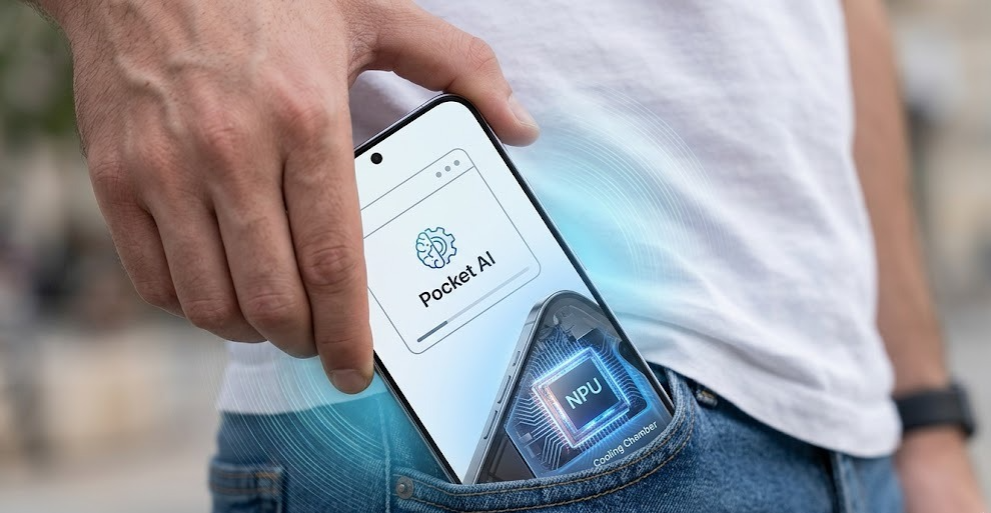
The concept of a “smartphone” is long outdated. What Brits carry in their coat pockets (and they wear coats here nine months a year) is no longer just a “smart phone,” but a fully-fledged AI companion. 2024 marked a turning point, when AI features ceased to be a marketing gimmick for cameras and became the core of the operating system. Whether it’s iOS 18 with its AI features or Android 15 with its deep Gemini integration, users in London, Edinburgh, and Cardiff are beginning to interact with their devices in fundamentally new ways.
Advertising
The main change is the move away from the “touch-first” interface. We’re used to opening apps, pressing buttons, and scrolling. Next-generation AI agents, like the Rabbit R1 (albeit a standalone device) or the new type of voice assistants being introduced by Samsung and Google, offer an “action-first” experience. For example, a British user says, “Book a table at that new Indian restaurant on Brick Lane for Saturday.” Previously, the smartphone simply searched for links. Now, the AI opens the booking app, selects a time, checks availability, and even sends a WhatsApp message to friends to confirm the details.
For residents of the UK, where a culture of service and planning plays a huge role (from doctor’s appointments to booking train tickets on National Rail Day), this feature is becoming not just a convenience, but a necessity. The AI learns from your habits: it knows you prefer an aisle window on Avanti West Coast trains and automatically suggests the best routes. This is a level of personalization previously available only to personal assistants.
One of the most anticipated features in the UK has been “Live Translate” (a real-time translator mode). In multicultural London, where over 300 languages are spoken, as well as in tourist areas like Cornwall, where many international visitors are, the ability to have a two-way conversation via smartphone breaks down barriers. The Samsung Galaxy S24 Ultra and Pixel 9 Pro do this locally, without internet access, which is critical when traveling outside the city, where 4G coverage can disappear over a hill.