
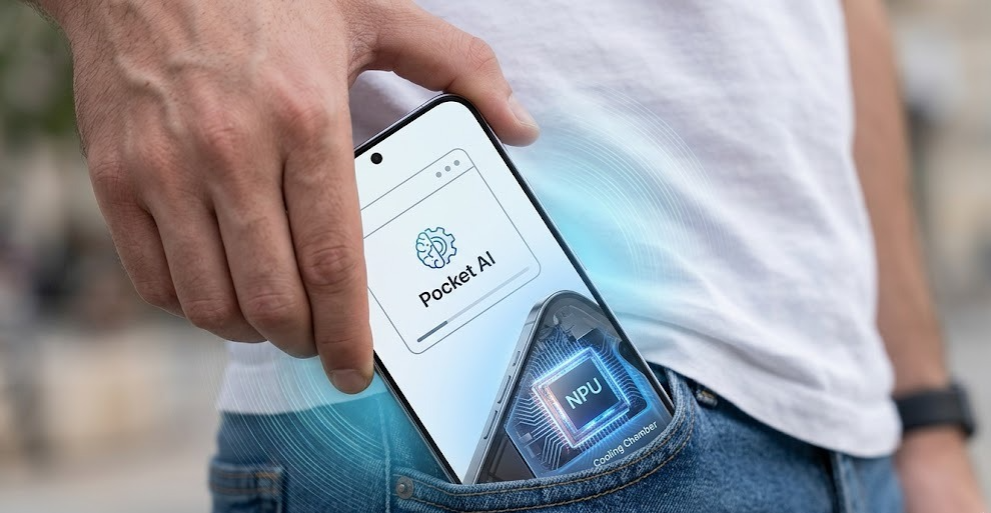
The camera continues to evolve, but now it learns to “understand” the scene. AI doesn’t just enhance colors; it recognizes objects. For British parents, this means smartphones can now remove random passersby from photos with Big Ben or Tower Bridge in the background with a single tap. Google’s “Generative Edit” feature allows you to literally “draw in” parts of an image. If a child’s arm is severed in a photo from the Hyde Park Christmas Market, AI will repaint it with anatomical accuracy.
Advertising
However, the introduction of generative AI into cameras is raising ethical debate in British society. As the UK is home to strict evidence laws in court, the ability to simply alter a photo calls into question the authenticity of the visual content. British regulators are already urging manufacturers to implement “Content Credentials” (digital signatures) that will indicate that an image has been altered by AI to distinguish reality from generated content.
Another important aspect is health management. The British NHS is under enormous strain, and many are turning to smartphones as a first line of diagnostics. The AI in the new Apple Watch (and rumors of a Pixel Watch 3) can analyze sensor data not just after the fact, but prognostically. The smartphone is learning to recognize early signs of sleep apnea or atrial fibrillation. For Britain’s aging population, where health issues are becoming increasingly important, this makes the gadget not a toy, but a vital tool.
Battery and energy efficiency are now also managed by AI. The smartphone learns to recognize your patterns. If you board the Jubilee line tube every day at 8:45 AM, where there’s no service, the AI pre-loads your Spotify playlist and caches maps. If you typically charge your phone overnight in Chelsea, AI slows the charge to 80% and finishes charging just before you wake up, prolonging battery life. This is especially valuable given that Brits often buy smartphones on two- to three-year installment plans and expect the device to remain functional for the entire contract.
Security is taking on a new dimension. On-device AI analyzes app behavior. If an app attempts to access your photos or location at an unusual time (for example, at night), the smartphone blocks access and issues a warning. In an era of data breaches and fraud, which is particularly active in the UK digital environment (remember the banking scandals), this “intelligent” protection is becoming more important to users than the number of gigabytes of RAM.
The future, which is already here, is the convergence of devices. AI-powered smartphones are learning to interact with other gadgets (smart glasses, headphones, speakers) as a unified ecosystem.