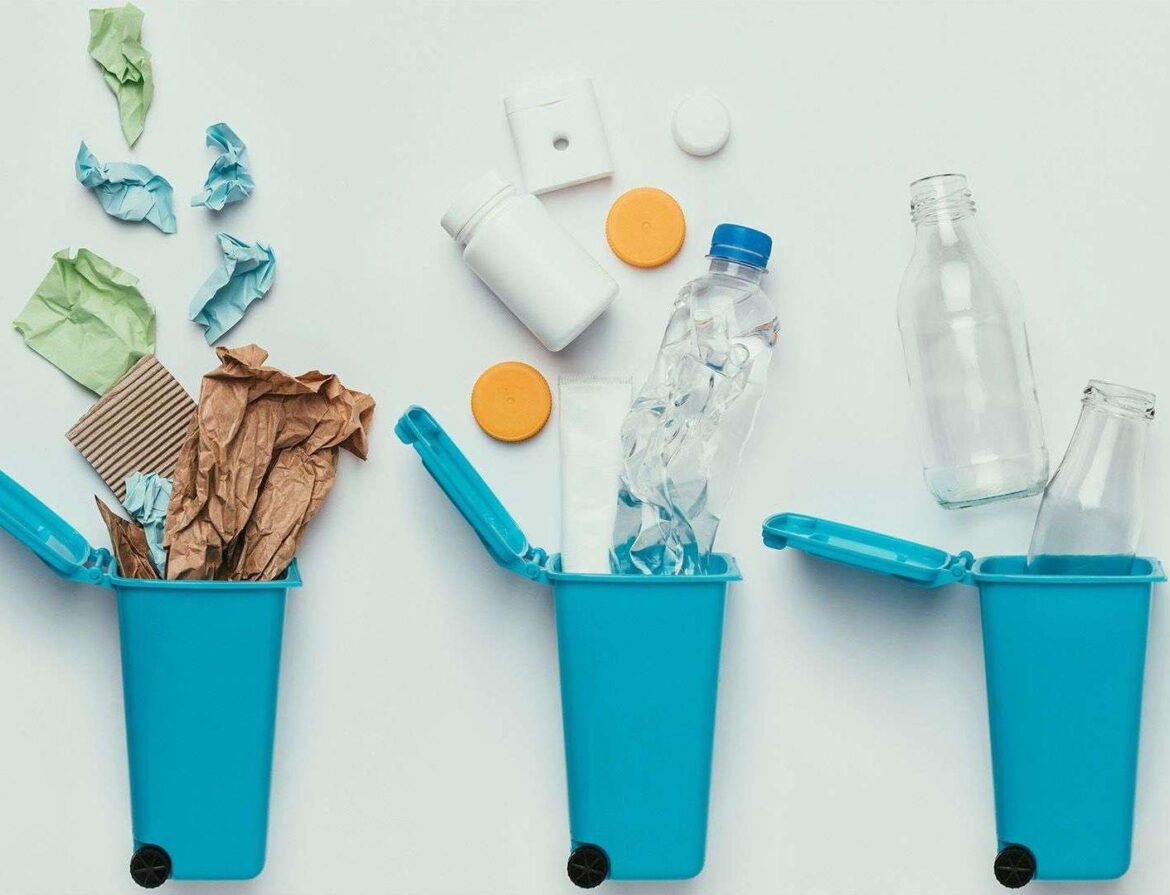
When it comes to environmental issues in the UK, many outside the country imagine idyllic, separate bins in front of Victorian homes. However, the reality is often more complex. The waste collection system in England, Wales, Scotland, and Northern Ireland has historically been fragmented: each local council sets its own rules, and what’s recycled in Manchester might end up in a landfill in neighboring Birmingham. Only recently did the government announce a long-awaited reform that aims to standardize waste collection nationwide by 2026, introducing mandatory bins for plastic, glass, paper, and food waste. For the average Briton, this means the end of the “bin confusion.”
Food waste remains one of the biggest challenges. According to WRAP (Waste and Resources Action Programme), British households throw away approximately 4.5 million tonnes of edible food each year. Scotland was the first to make separate collection of food waste mandatory, and now many English councils are gradually introducing small kitchen caddies, which are then emptied into street bins. This not only reduces landfill volumes but also allows organic waste to be converted into biogas, which is used to generate electricity—even if only for street lighting.
Plastic packaging is a particular headache. Britons are accustomed to seeing the “recycling symbol” logo on almost everything, but the actual recyclability of many materials, especially soft plastics (film, crisp bags), remains low. Supermarkets such as Tesco and Co-op have begun installing dedicated collection points for flexible packaging, but public participation remains uneven. A telling example is the scandal surrounding the export of plastic waste to Turkey and other countries, which has forced British society to consider the difference between “taking out the trash” and “recycling.”
Household waste recycling centers, often still referred to as “tips,” have become an important element of recycling culture. For many Brits, a trip to the tip on a Saturday morning is a family ritual, comparable to a trip to B&Q. Here, you can dispose of not only regular waste but also old furniture, garden waste, electronics, and even hazardous materials. However, since 2023, many councils have tightened regulations, requiring pre-booking and number plate checks to prevent businesses from illegally dumping waste.
Electronics deserve a special mention. The British are one of the most active consumers of gadgets in Europe, and old phones, toasters, and laptops often gather dust in drawers for years. New “Right to Repair” regulations, which came into force, require manufacturers to make spare parts available to consumers and independent repair shops. This is gradually changing mentality: instead of throwing out a broken kettle, Britons are increasingly searching for a “repair café” or ordering parts online.