
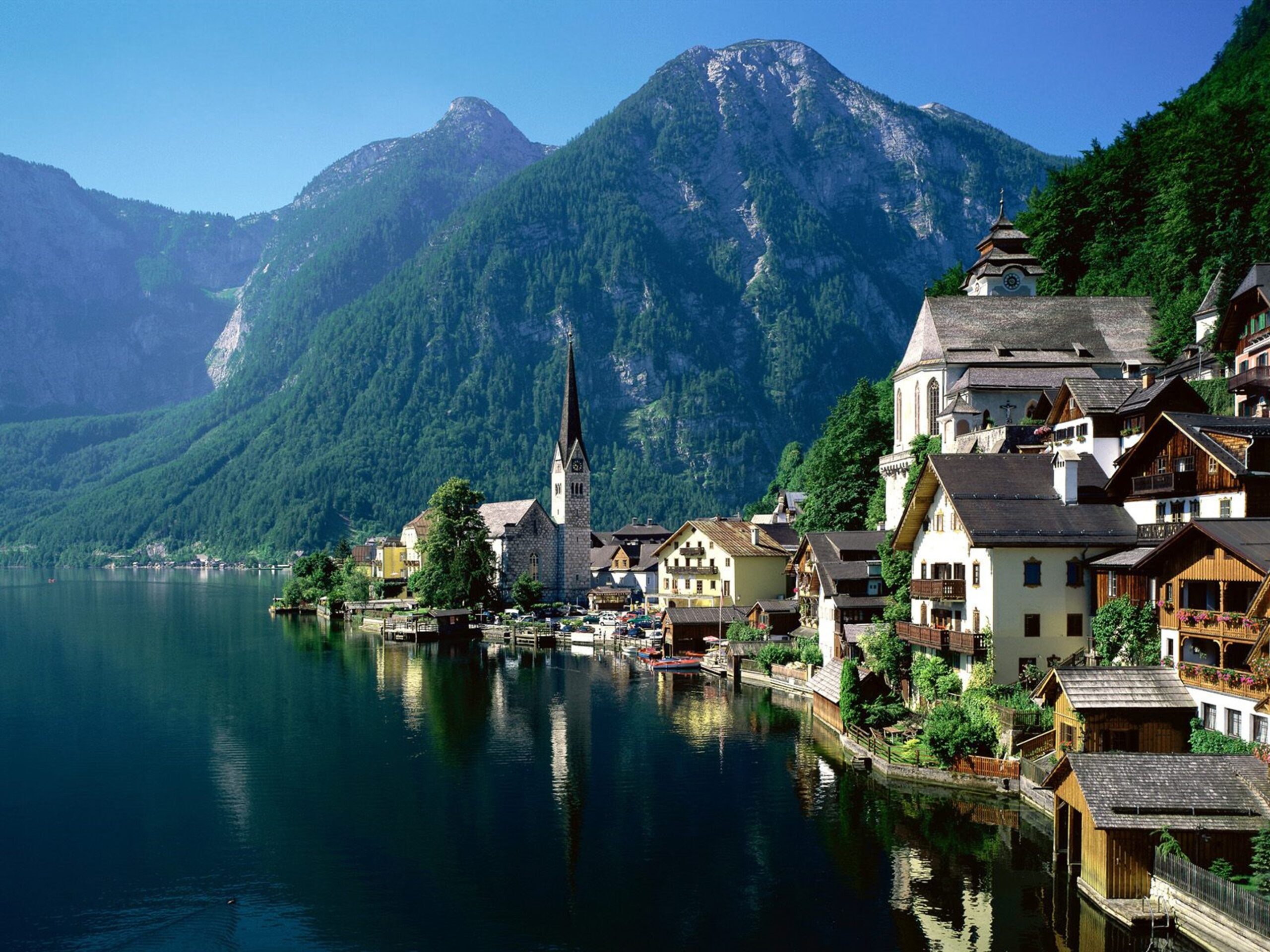
Choosing a city for a short getaway also requires a new approach. Instead of the traditional Barcelona and Amsterdam, where housing prices have skyrocketed, it’s worth considering less popular but no less charming destinations. For example, Turin, Italy, offers regal architecture and excellent cuisine at prices lower than Milan. Lyon, France, is a gastronomic capital, where you can enjoy Michelin-starred bistros without London’s price premiums. And in Poland, Wroclaw and Gdansk combine a beautiful old town with affordable accommodation and food.
Advertising
The financial side of travel has also changed. Many British banks now charge a fee for cash withdrawals and payments in euros, so it’s best not to travel without a special card like Chase, Starling, or Monzo. These cards offer interbank rates and zero fees on foreign transactions, saving tens of pounds over the long term. Plus, they make it easy to track expenses in an app—especially useful when trying to manage your Schengen budget.
Another important life hack is using a transfer instead of a taxi from the airport. Most European cities have excellent public transportation: the train from Charles de Gaulle Airport to central Paris is several times cheaper than a taxi, and in Berlin, the X7 bus to U-Rudow station is faster than any Uber. Apps like Citymapper work in dozens of European cities and can help you plan your route even without a local SIM card if you download offline maps in advance.
As for accommodation, more and more Brits are ditching expensive city center hotels in favor of apartments or hostels with ratings above 8.5 on Booking. The savings aren’t just in price but also in the atmosphere: you can cook breakfast using local ingredients, buying fresh bread at the market, and feel like a temporary resident rather than a tourist. Platforms like Plum Guide offer carefully curated options if you want to maintain quality but save money.
Insurance is another factor that shouldn’t be neglected. The European Health Insurance Card (EHIC) and its successor, the GHIC, cover only basic care in public hospitals, but not evacuation, lost luggage, or flight cancellations. For short trips, annual travel insurance with coverage of up to £10 million can be purchased for just £20–30, which is especially important in an era of air traffic controller strikes and frequent flight disruptions.