
The growing popularity of plant-based diets is also playing a significant role. Although Britain has historically been associated with meat and fish, the number of vegans and flexitarians is rapidly increasing. According to research, more than a third of Britons are reducing their meat consumption for environmental reasons. Supermarket chains are expanding their ranges of plant-based alternatives, and brands like Quorn (a British company based in Stoke-on-Trent) have become world leaders in alternative protein production.
Advertising
Sustainable agriculture is becoming a priority for government policy. After leaving the EU, the UK developed a new subsidy scheme for farmers – Environmental Land Management Schemes (ELMS). Instead of previously paying for land area, farmers now receive payments for environmental services: restoring hedgerows, creating meadows for pollinators, improving soil health, and reducing the use of chemical fertilizers. This is gradually changing the face of the British countryside, returning it to more traditional and environmentally friendly methods.
The issue of food packaging is also in the spotlight. Although supermarkets are reducing their use of plastic, particularly in fresh fruit and vegetables, many shoppers complain that “green” alternatives are often more expensive. However, the number of “zero waste shops” where people can bring their own containers is growing. In cities like Bristol, Brighton, and Edinburgh, these shops are becoming community hubs where people not only buy groceries but also share experiences of sustainable living.
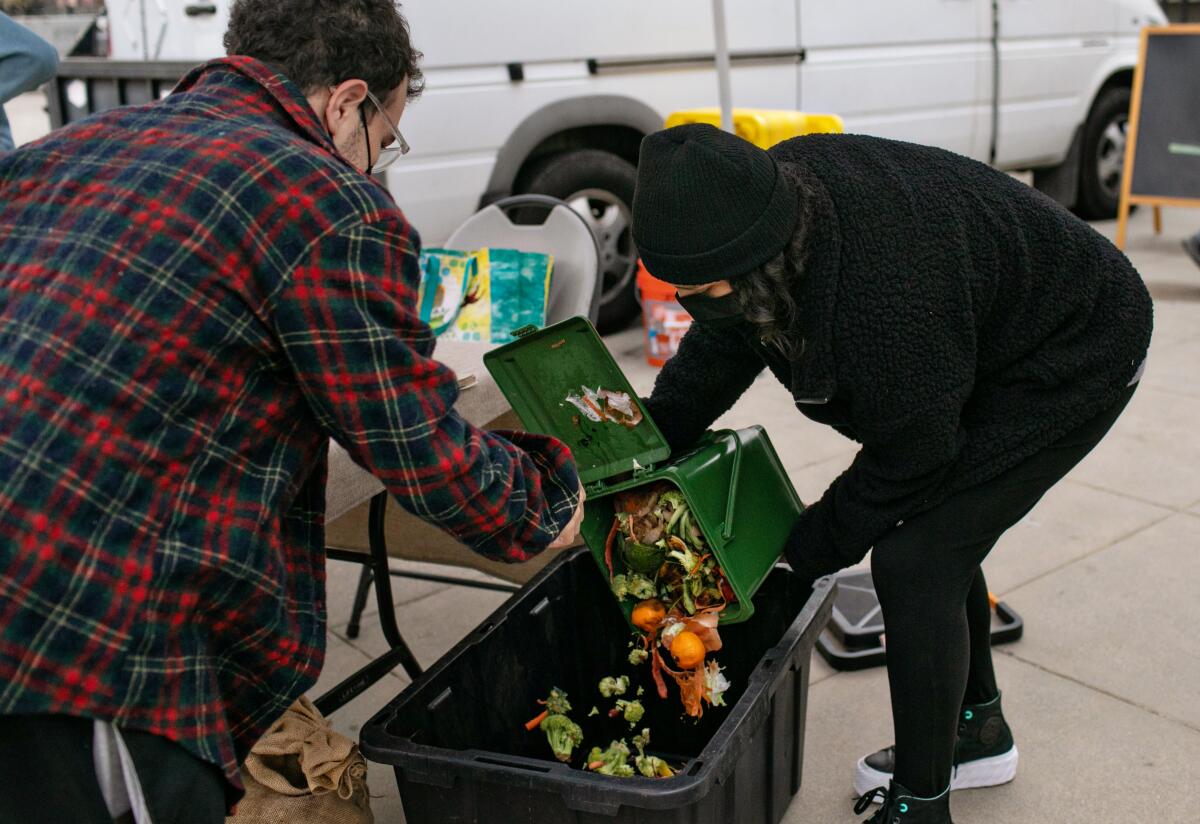
Food waste composting is becoming mandatory in many areas, but gardeners are taking it further. Home composting, vermiculture (worm farming), and bokashi (fermentation) are gaining popularity among those with even a small garden or balcony. This not only reduces waste but also provides free, high-quality fertilizer for growing your own vegetables, reconnecting consumers with the food production cycle.
Schools and community gardens play a key role in education. The RHS Campaign for School Gardening engages children in growing their own vegetables, helping them understand the value of food and their connection to nature. For many urban children, this is the only opportunity to see carrots or potatoes growing, instilling a respect for food that later carries over to a healthy attitude toward waste.
The future of food sustainability in the UK depends on a combination of technology and tradition. On the one hand, vertical farms in urban containers are emerging, allowing for the cultivation of greens with minimal water consumption right in central London. On the other hand, a culture of preserving, canning, and carefully using every bite is returning.