
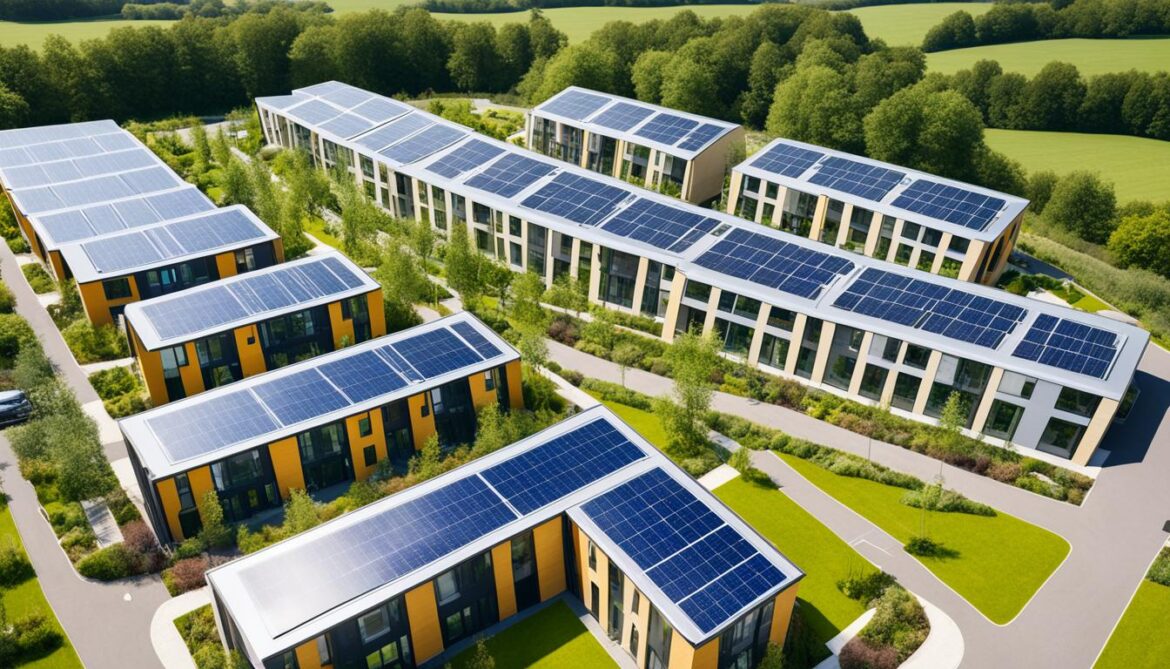
New home construction in the UK is now governed by strict Future Homes Standards, which will come into full force in 2025. These standards require new homes to produce 75-80% fewer carbon emissions than previous standards. This means that new residential developments will no longer feature gas boilers, but rather heat pumps, triple glazing, and high levels of insulation. Developers such as Barratt Homes and Berkeley Group are already restructuring their supply chains.
Advertising
For residents of apartment buildings (flats), green transformation is more complex. Installing individual heat pumps is often impossible due to lack of space, and the solution is district heating systems, which use a centralized heat source, often from renewable energy or cogeneration. In London, for example, the district heating network, powered by the London Underground and sewerage systems, is rapidly expanding.
Besides energy, water is increasingly receiving attention. Britain, despite its reputation for rainfall, faces water shortages in some regions due to population growth and deteriorating infrastructure. Rainwater harvesting systems are becoming a popular addition to gardening and irrigation. Major retailers such as Wickes and B&Q are seeing increased sales of rainwater systems connected to storage tanks.
Financial considerations remain a key barrier. Even with grants, the initial investment in a heat pump or solar panels can run into thousands of pounds. In response, green mortgages have emerged, offering reduced interest rates for homes with high energy ratings (EPC A or B). Banks including Nationwide and Barclays are actively promoting these products, encouraging buyers to choose energy-efficient homes.
Community plays a vital role in spreading awareness. Initiatives such as Retrofit Action Groups (cities like Bristol and Edinburgh are known for their active volunteer groups) help neighbors understand the technologies, find contractors, and even organize community purchasing to reduce installation costs. This approach reduces fear of new technologies and builds social support.