
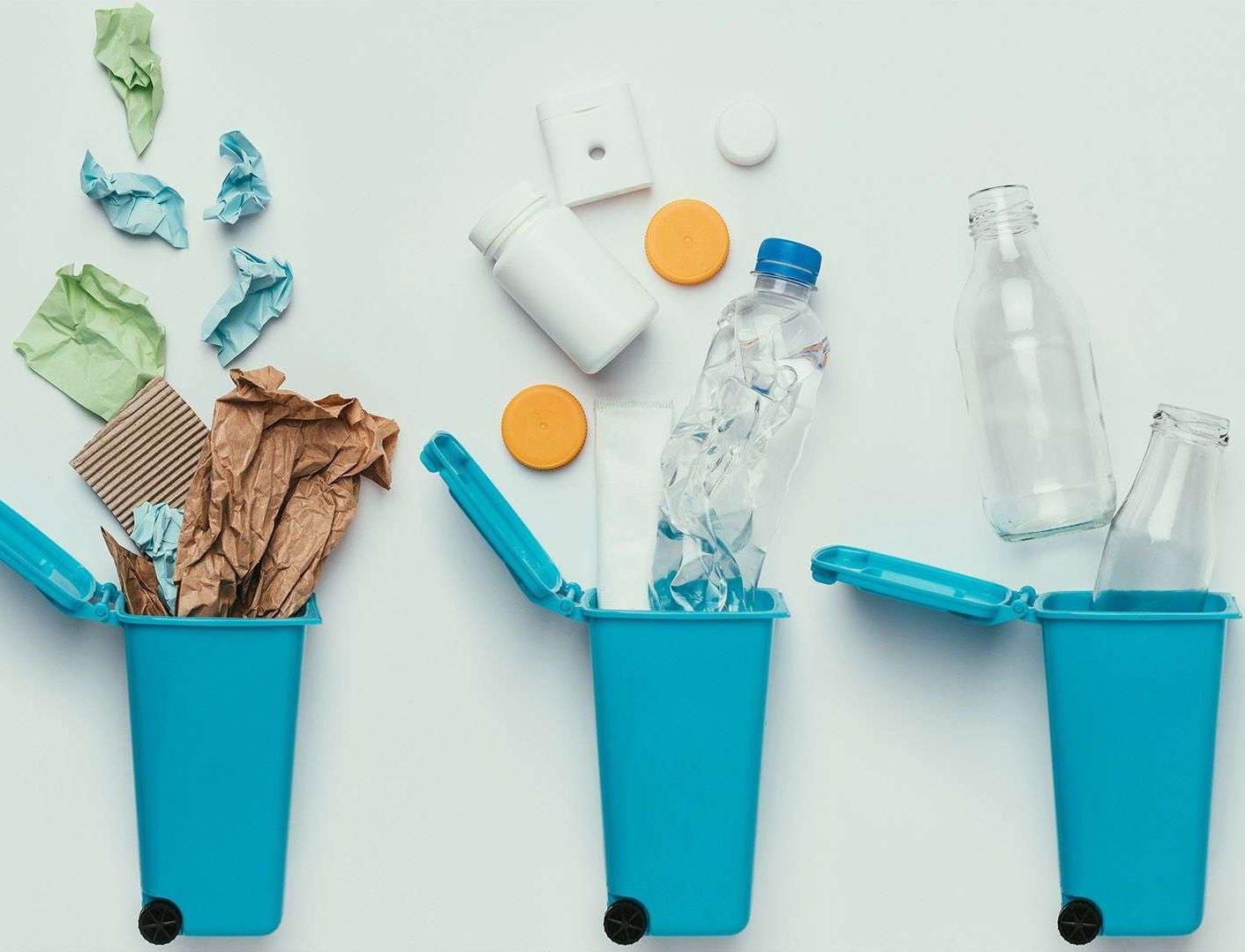
Public space cleanup campaigns, such as the Great British Spring Clean, bring together thousands of volunteers. Participation in such events has become not just an environmental gesture but also a social event that strengthens a sense of community. In London, for example, local groups regularly organize litter pickups in parks and canals, and this has yielded noticeable results: the number of plastic bottles ending up in the Thames has decreased by tens of percent.
Advertising
Paradoxically, the COVID-19 pandemic has dealt a blow to recycling efforts: the use of disposable masks and gloves has increased sharply, and many councils have temporarily suspended recycling collections due to staff shortages. However, it was precisely during this period that demand for home composting increased. Composter manufacturers like Green Johanna have seen record sales, and garden centers are offering workshops on turning waste into fertile soil.
From a business perspective, Extended Producer Responsibility (EPR), scheduled to be fully implemented by 2025, will force companies to pay for the recycling of their packaging. This has already led many brands to rethink their designs, moving away from black plastic (which is invisible to sorting equipment) and replacing multi-layered materials with single-material ones. For consumers, this means that Sainsbury’s shelves are increasingly stocked with packaging that is truly recyclable, not just thrown into the general bin.
Educational work in schools is in full swing. The Eco-Schools program, which has been running in the UK for three decades, engages students in waste auditing and green flag management. Children bring home the habit of sorting waste, and they often become the family’s “environmental conscience,” checking to see if their parents have thrown the yogurt container in the wrong bin.