
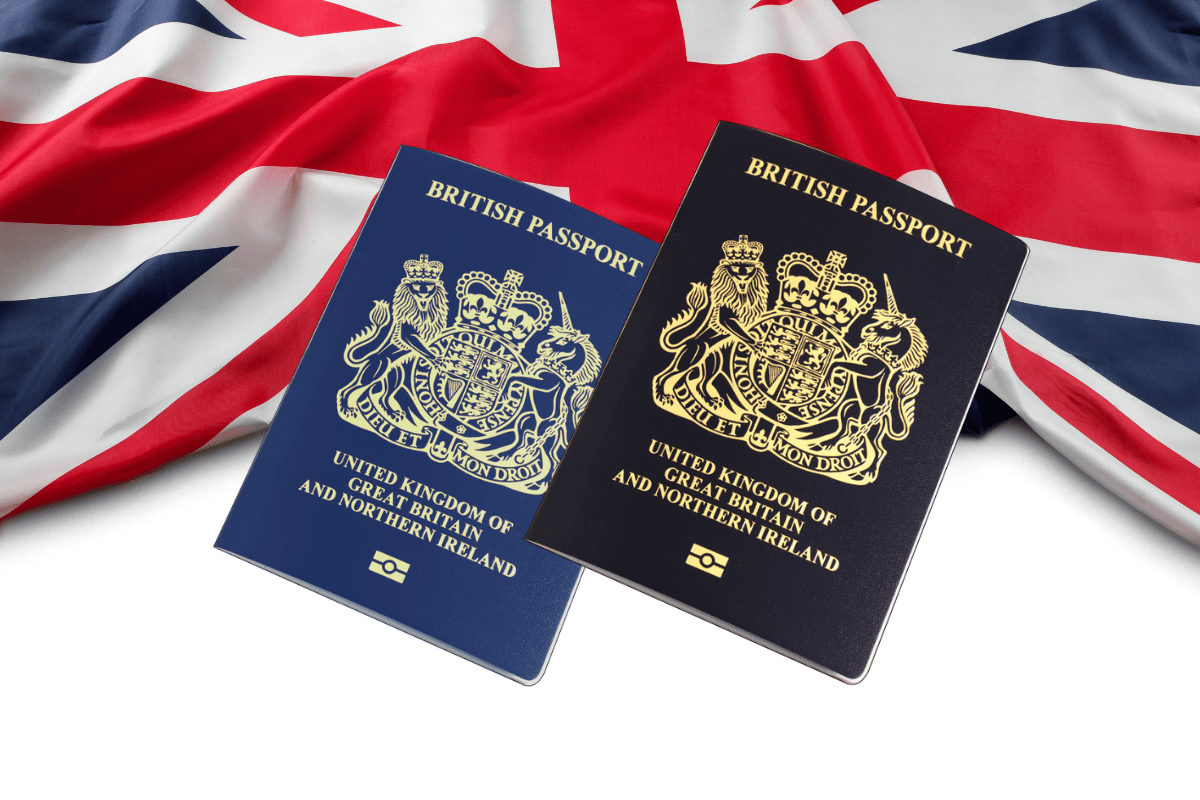
Visa requirements outside of Europe also require attention. For example, an ESTA (electronic visa authorization) is still sufficient for travel to the United States, but it’s important to apply for it through the official website and not through intermediaries, who often charge double the price. An ESTA is valid for two years, but if you’ve received a new passport or changed your name, you’ll need to reapply. Furthermore, since the pandemic, there has been an increase in cases of travelers being denied entry due to insufficient proof of the purpose of their trip—always have a return ticket and proof of accommodation.
Advertising
Canada, Australia, and New Zealand also require electronic visa authorizations (eTA for Canada, ETA for Australia and New Zealand). In Australia, the system was recently updated: the electronic permit is now linked to your passport and processed through a mobile app. It’s best to do this at least a couple of weeks before departure, although in many cases it arrives within minutes. It’s important to remember that even with these permits, border guards reserve the right to refuse entry if they have doubts about your intentions—for example, if you’re carrying a large amount of cash or can’t explain how you’ll be supporting yourself.
Southeast Asian countries such as Thailand, Vietnam, Cambodia, and Indonesia offer visas on arrival or e-visas to British citizens. Vietnam, for example, has switched to an e-visa for all tourists, and it must be applied for in advance. The official website is often confused with commercial intermediaries, who charge two to three times more. Lifehack: use only the government portal. In Indonesia, you can get a visa on arrival for $35, but only at certain airports, so it’s best to have the exact dollar amount on hand.
Africa is a special case. For countries like South Africa, British citizens do not need a visa, but their passport must have at least two blank pages. Kenya, Tanzania, and Zimbabwe require e-visas or visas on arrival, but procedures change frequently, so be sure to check the latest information on the FCDO (Foreign, Commonwealth & Development Office) website before traveling. The FCDO is the primary resource for British travelers: it covers not only visa requirements but also security warnings, which is especially important when traveling to unstable regions.
Understanding visa and passport details transforms travel from a lottery to a predictable process. Spending an hour checking requirements and completing the correct documents will save you stress at the check-in counter and potentially thousands of dollars in rebooking expenses. And remember: rules change quickly, and even verified information from three months ago may be out of date, so always check with official sources before clicking “pay.”